Your vehicle
No vehicle selected
Identify yours to refine your search results
No vehicle selected
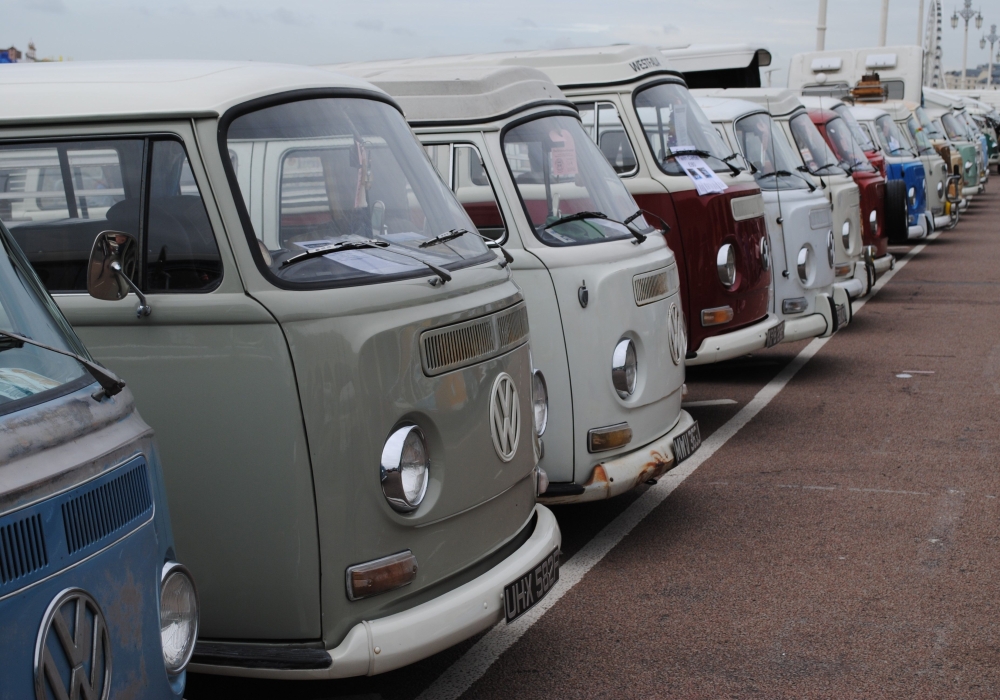
An icon of freedom and Van Life, the Bay Window Camper replaced the Split in 1967 with its panoramic windscreen and rounded look. Panel van, bus, pick-up or motorhome, it conquered the roads of the whole world until it became a rolling legend, with toughness, versatility and a hippie spirit.
27/01/2026
Harald
6 minutes read
Volkswagen
After 17 years of production and some 1.8 million units, the Camper got a new look in the summer of 1967, and it showed.
Gone were the 2 endearing flat panes that made up the windscreen of the Split-Screen Camper; phase 2 of the Transporter went widescreen (16/9) ahead of its time with a panoramic bay window that gave it its international name: the Bay Window Camper.
From its conception, the Camper proved to be a fantastic commercial vehicle and a fabulous people carrier: driving a Camper is a bit like having a Swiss army knife in your pocket (ideal for hitting the road).
Journalists of the day said it was a big car and that it drove like one while offering more versatility. Perfectly suited to professional use and to leisure, it is a very good all-terrain vehicle thanks to its ground clearance and traction. Tough and practical, it is built for adventure.
Prized by hippies in the 70s, with its friendly face, recognisable among a thousand and loaded with good vibes, it is a superb advertising vehicle, much loved by advertisers and film-makers.
The Bay Window Camper is certainly the most iconic of all, as it is the most widespread of the first two generations. In the post-covid period, everybody wanted one to escape (which pushed its price up). The feeling of freedom, the cool attitude, the zen of travelling differently, that is Van Life.
Van Life in a Bay Window has its realities too. In Barcelona, Nicolas turned his passion into a small business, Advantura, which rents out a restored T2 Westfalia. First obstacle: finding an insurer ready to cover a forty-year-old vehicle for rental. Second obstacle: since 2020, Barcelona's low-emission zone has closed the city, on weekdays and in the daytime, to the oldest vehicles. When he wrote to us, in 2020, his plan was to convert the van to electric.
On the other side of the Pyrenees, Mathieu and Margaux roam the Basque Country in a 1974 T2b Riviera, a camper conversion born in the United States. Their favourite playground is between the ocean and the mountains, with a weakness for the Basque corniche, which runs along the coast.
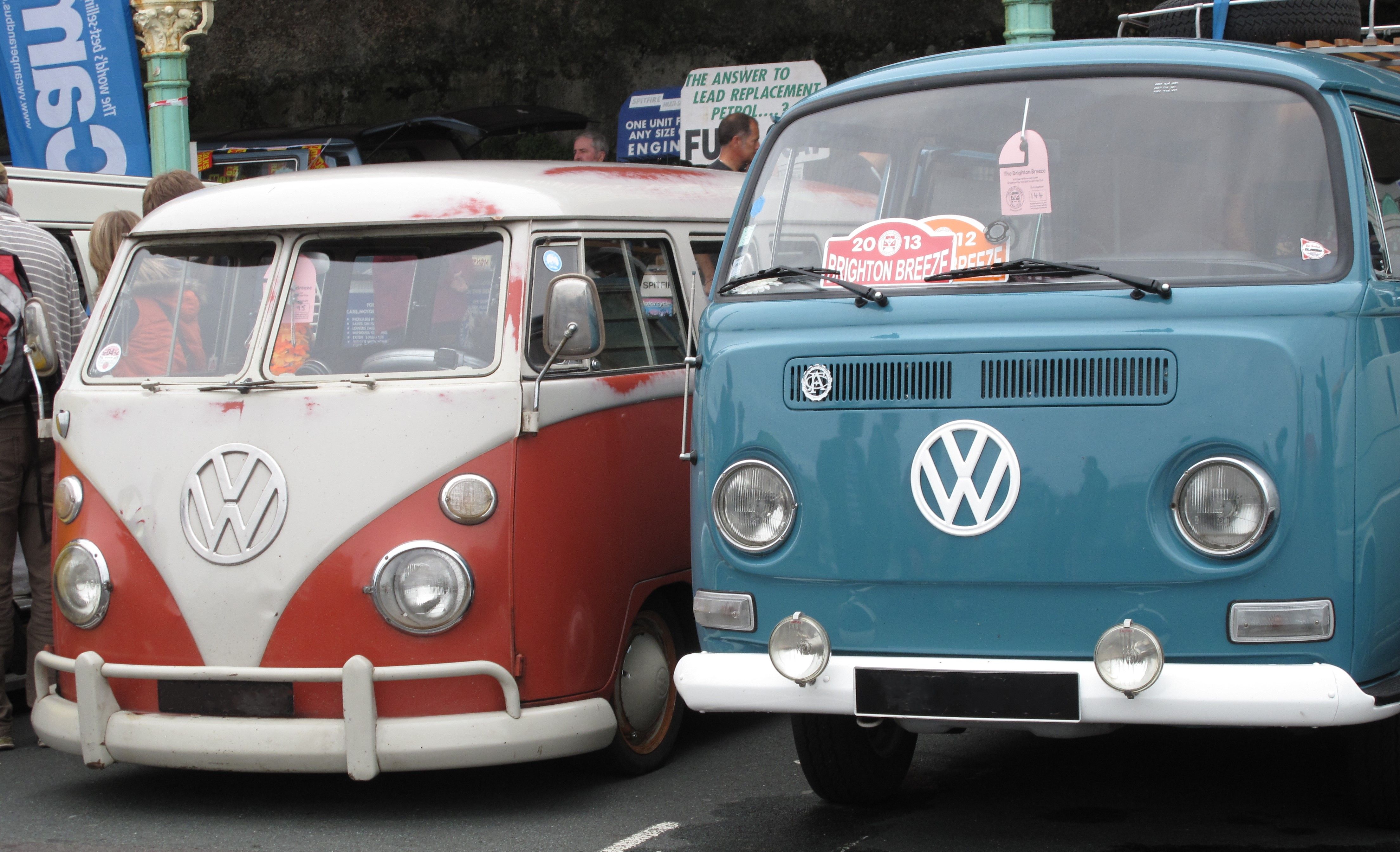
Volkswagen did not start from scratch, the versions put in place in the Split era had proved themselves and were therefore carried over from the launch of the Bay with the 1968 model year. It was mainly built in Germany, at Hanover and Emden.
Here we talk in "model year" terms; Volkswagen made its model-year changes on 1 August. The first Bay therefore appeared in early August 1967 but is considered to be of model year 1968; its serial number begins with the indication of its type (e.g. 26) followed, as the third digit, by the reference to its model year (e.g. 8, for 1968). The list of changes that follows is not exhaustive, it just serves as reference points.
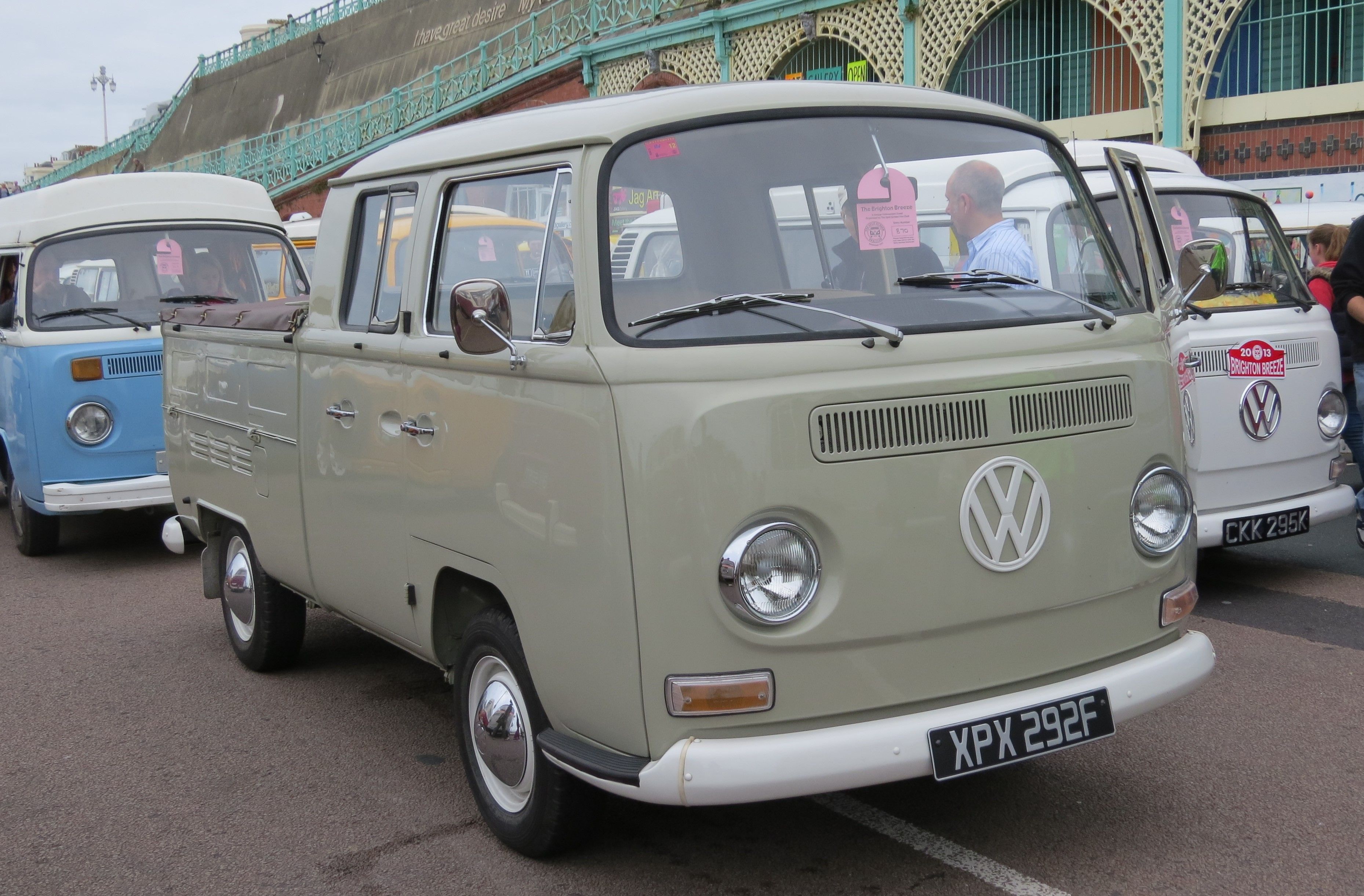
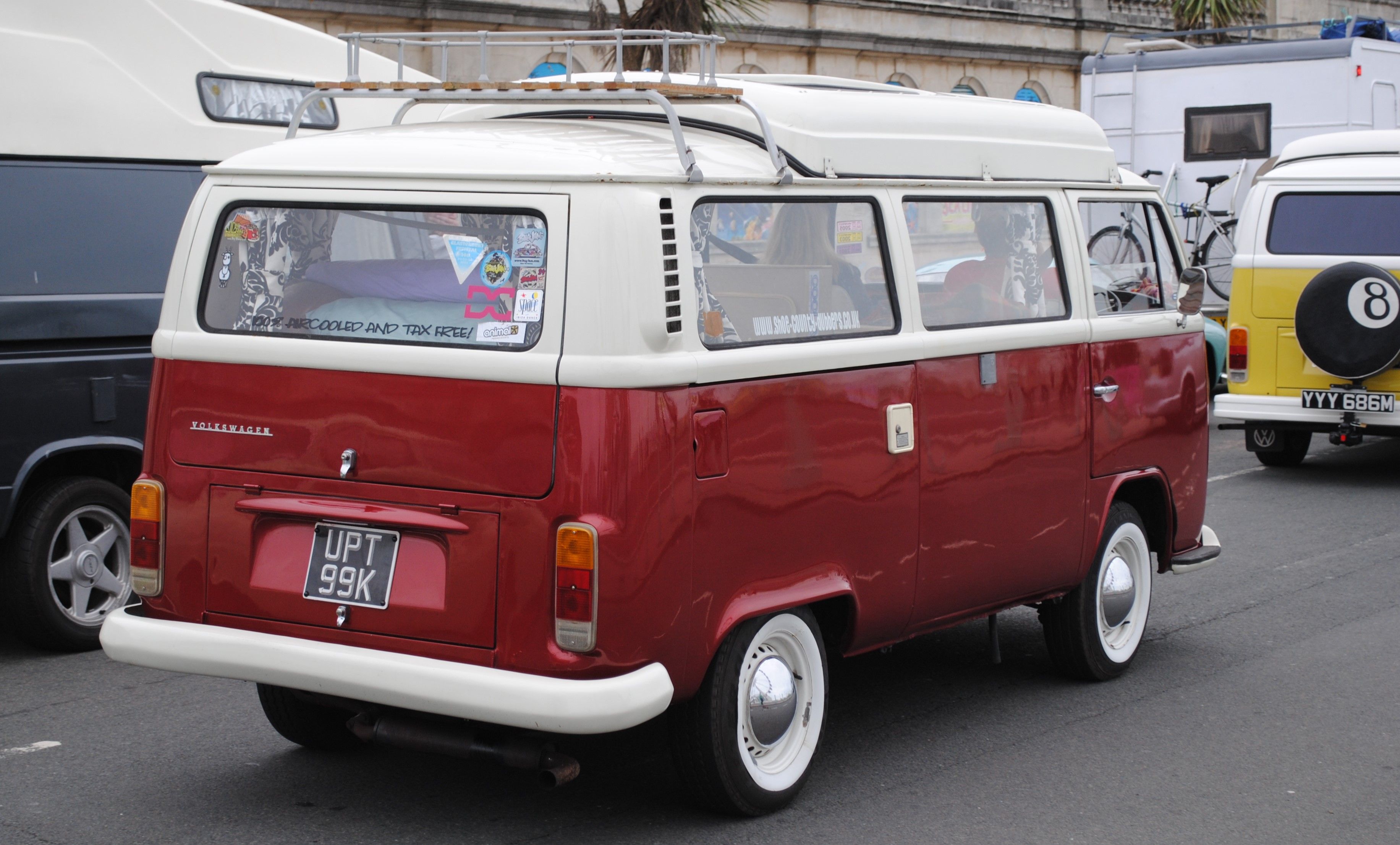
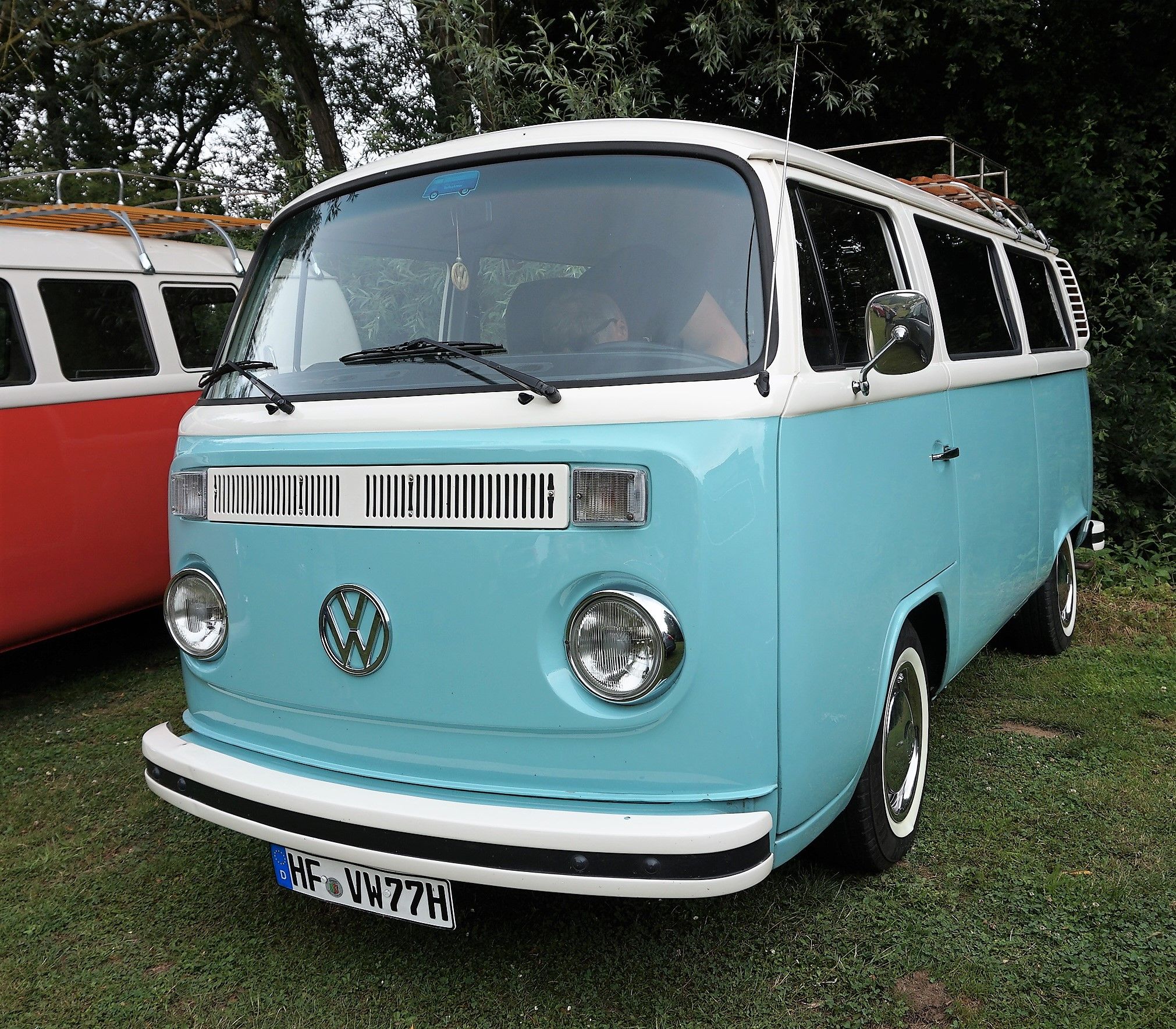
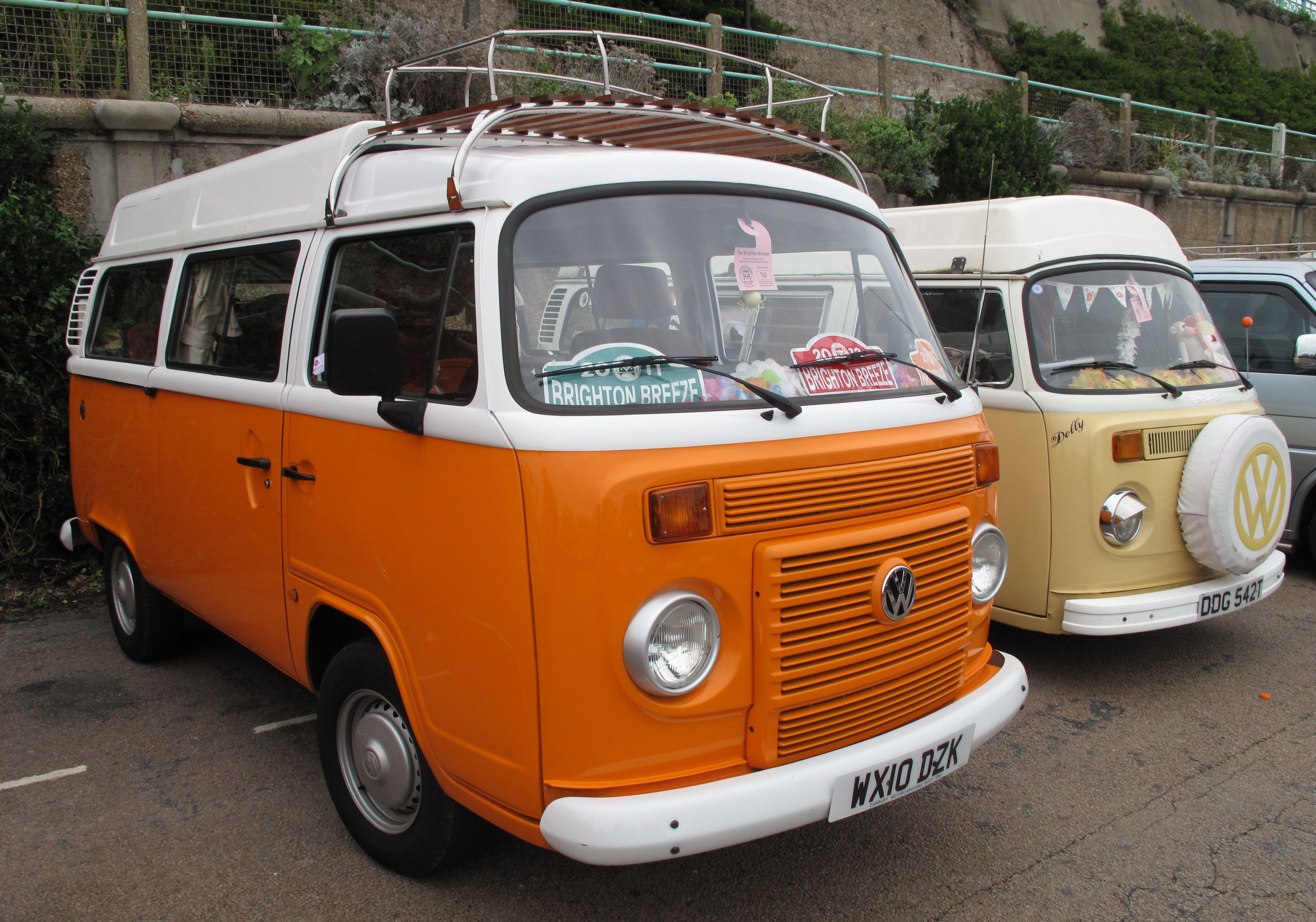
The last South American versions were fitted with a Polo engine and water cooling with a radiator at the front. Pollution standards and then passive safety standards would finally be the end of it (its skin, or rather its sheet metal).
The Bay Window was the last of the Transporters to truly be called a Combi in France. The Bay Camper, symbol of the 70s, chubby and sausage-shaped, would hand over to a square Transporter with a shoe-box look, no doubt to match the image of its cousin, the Golf 1.

Harald
Le partage de la Passion, simplement.
Subscribe to our MECATECHNIC newsletter