Your vehicle
No vehicle selected
Identify yours to refine your search results
No vehicle selected
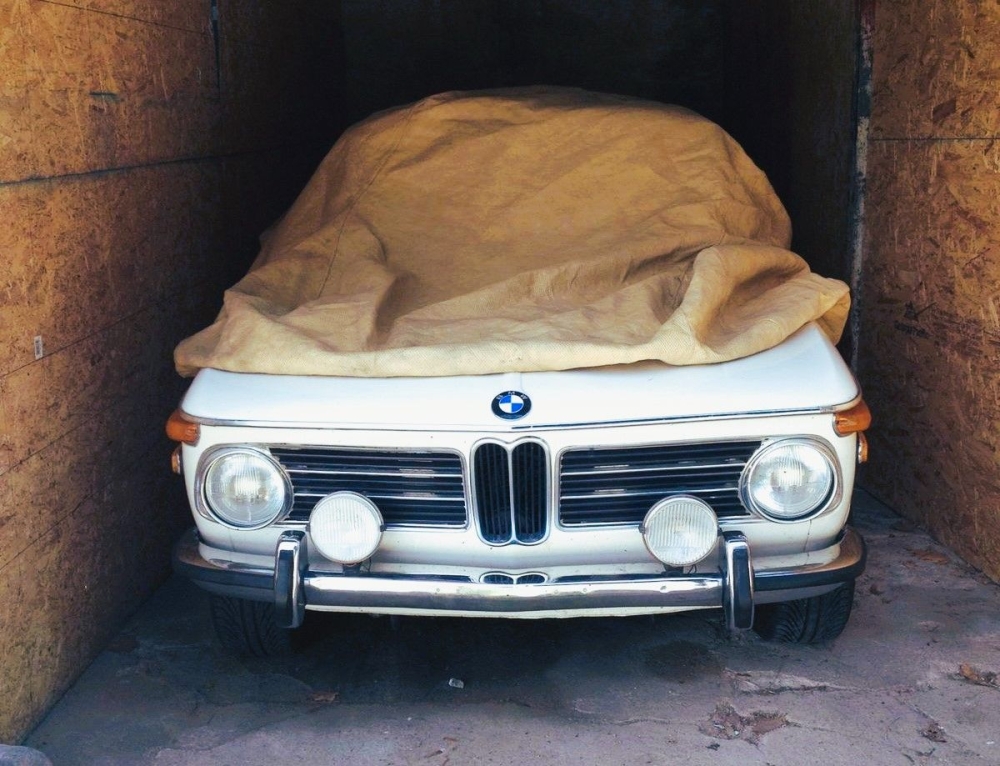
Garage, battery, tyres, damp or lubrication: discover the best practices for winterising your classic car properly and finding it in top form in the spring.
23/03/2026
Harald
8 minutes read
Winterising your car isn't easy when you don't know how to go about it.
Can you drive a classic all year round, including through the autumn and winter seasons? After all, we often tell ourselves we'll leave our beloved car in the warmth of the garage during the cold season so as not to damage it.
But you still need to know how to winterise your car properly.
MECATECHNIC takes stock of the question to guide you and face winter calmly!
The weather in autumn and winter often gives us fine dry, sunny spells, letting us prolong the pleasure of driving our classic.
So clearly, you can drive your car all year round without fearing poor winter conditions.
For that, the bodywork needs to be protected with good products, the wheels need to be well shod with tyres suited to winter, the windscreen demisting needs to be effective, the wipers need to be in good working order and the car needs to give good lighting so you can see clearly and be seen!
Because in fact, while temperatures drop in winter, that is not the main worry for our old cars, which were also designed for cold countries.
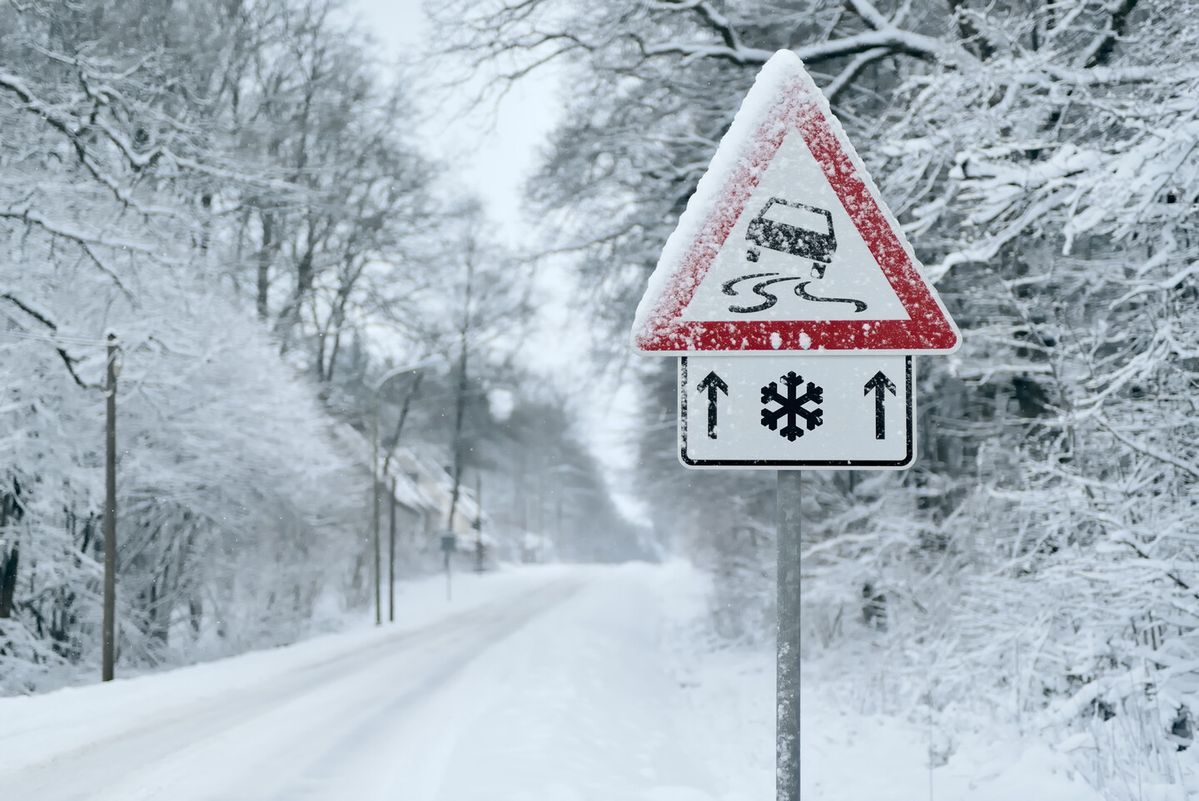
On the other hand, the ambient damp, fog, rain, snow, hail and the salt spread on our roads are real potential dangers for our beautiful bodywork.
On the mechanical side, plan for a carburettor adjustment in the mid-season (spring or autumn), so you don't risk having the engine stall at every junction.
Finally, a good battery and a working charging circuit are essential to supply the more intense electricity consumption in winter.
Because the demand for energy is higher, shared between lighting, ventilation, heating, the wipers and the repeated starts sometimes needed in cold weather.
Remember to rinse the bodywork and chassis regularly with water to wash off the corrosive salt. With these simple precautions, you can drive a classic all year round.
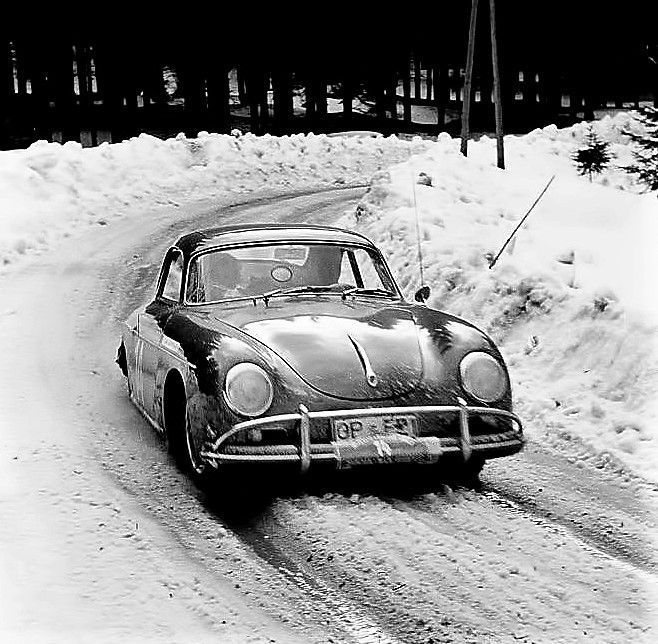
Contrary to some received ideas, when you drive your car regularly, you keep it in better shape than by leaving it inert in the garage for a long period.
Unless of course you have a genuine heated museum and the time to regularly look after the car's functions. Indeed, when you drive a vehicle, you make it "live".
The movements generated by driving keep the moving parts in good condition.
For example: the bearings and driveshafts are greased, the brake discs and drums don't rust, the engine and gearbox are lubricated, the battery is kept charged, the tyres stay supple and round, the cabin dries out regularly, the bodywork sheds the dust and doesn't give moss time to settle in.
In short, driving a car as often as possible keeps it in good shape!
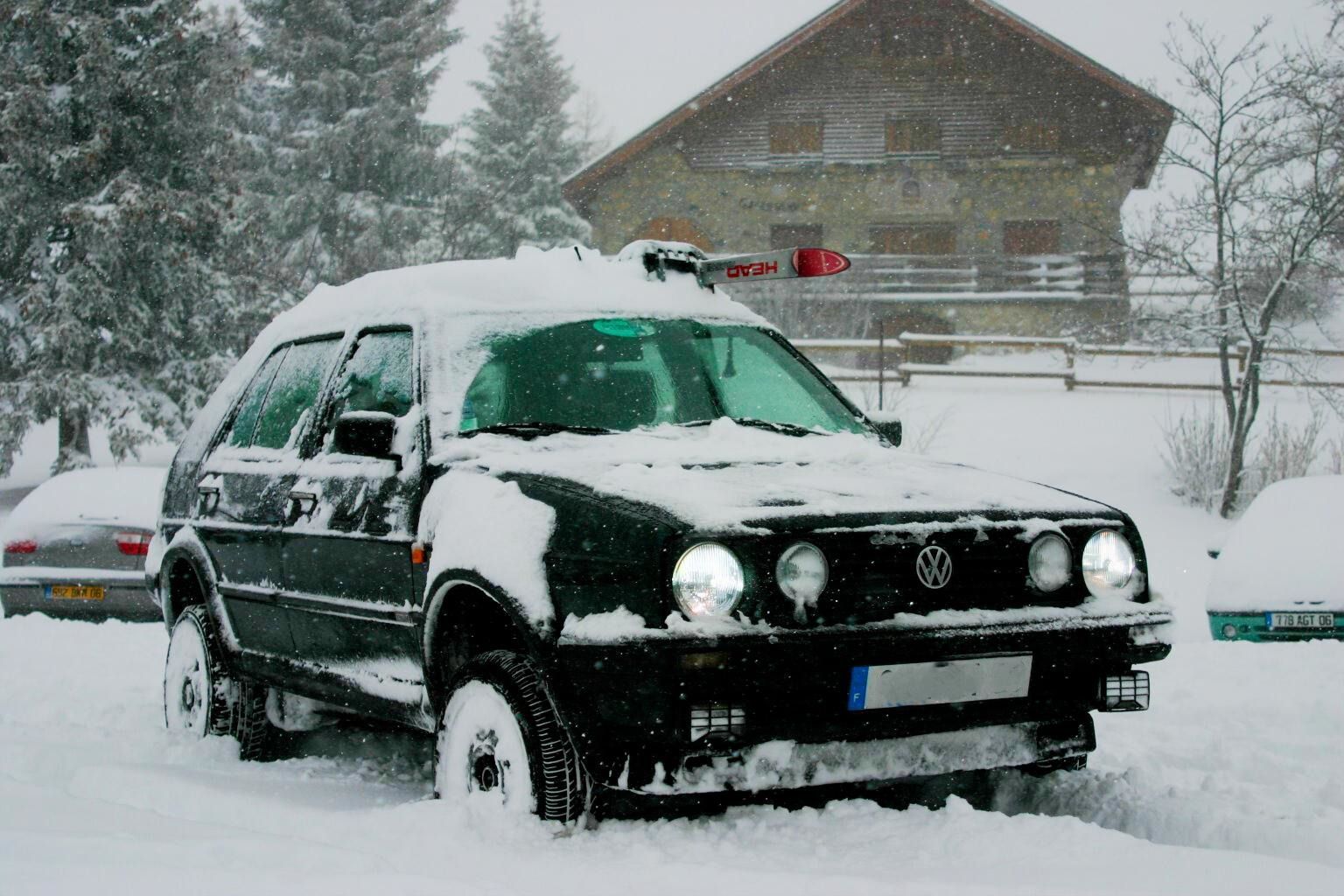
When the rain arrives and the ambient damp takes over, the desire to take your beauty out becomes rarer.
Especially as, quite apart from the very poor driving conditions that can be dangerous or even disastrous in winter, the water thrown up by the wheels is one of the big black spots of classic vehicles.
Often poorly protected against rust, the old bodywork is sprayed with water mixed with the mud of some country roads, or worse, with the salt spread on the roads to fight black ice.
The mud and salt then slip into and build up in the nooks of the wheel arches, to the point of staying trapped and getting on with the sly work of corrosion.
It is for these main reasons that many collectors prefer to put their beauties under cover while waiting for the fine days to return.
But you still need to know how to winterise your car properly, so that it keeps all its splendour and starts again better than ever without protest when spring returns. Because beware, damp and immobility are the real enemies of a vehicle that is "sleeping".
Nevertheless, when winter is here and the road isn't calling you, what can you do to avoid suffering the negative aspects of winter storage? Let's review here the various solutions to adopt to keep your classic in good shape during its hibernation:
Ideally, insulate your garage at least a little so it doesn't get too cold and to avoid too much ambient damp. If you only have a simple carport or no garage at all, choose a good outdoor cover that protects against the weather, ideally a so-called "breathable" cover.
Avoid parking your car on damp ground, which could produce weeds and corrosion. Air the garage and your car's cabin regularly in fine dry weather. You can also place a moisture absorber inside to prevent mould; make sure you empty it regularly.
Quite simply, lower your windows a few millimetres, enough to let air through but not any pests. Starting the car once a week with a warm-up time for the engine and the cabin is ideal.
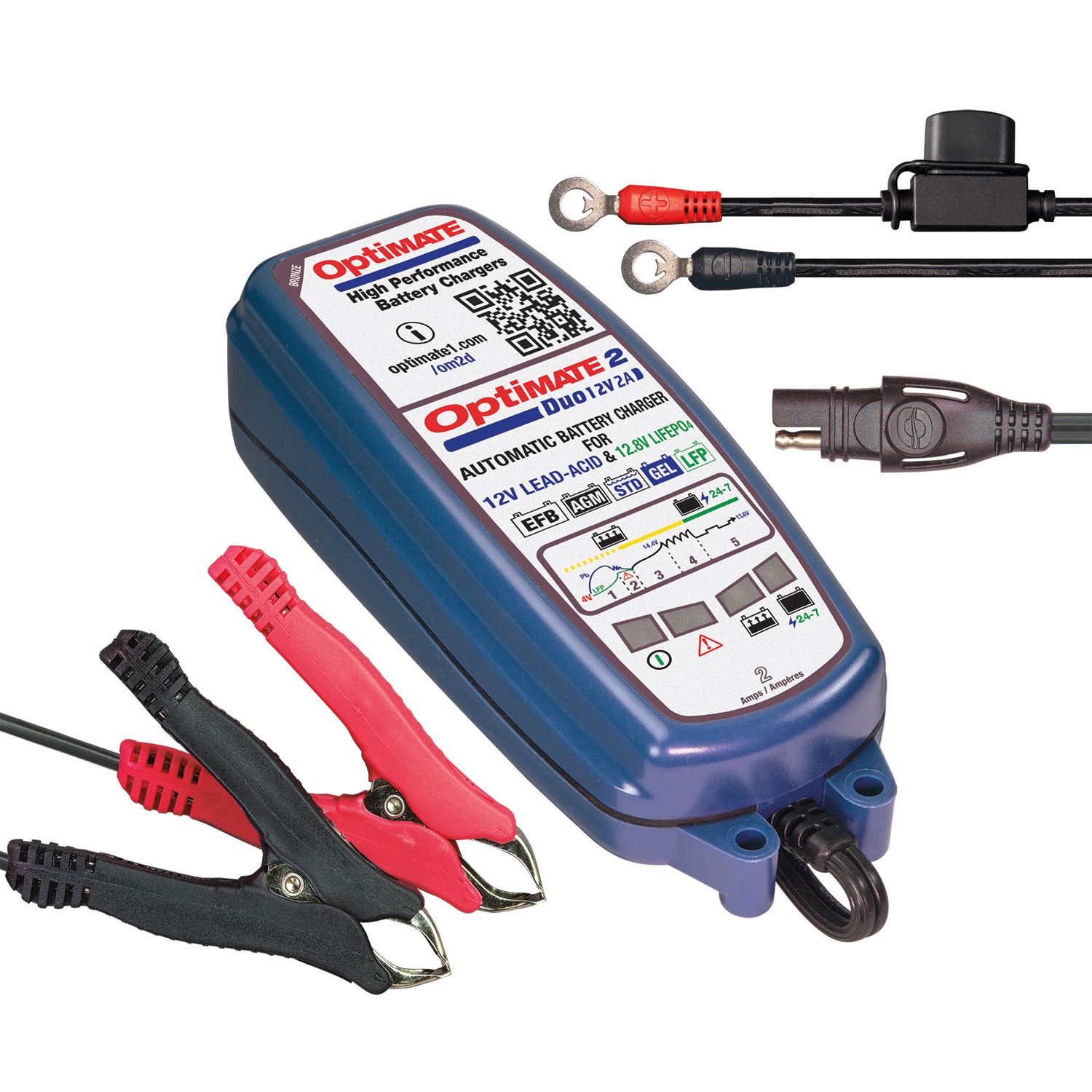
Even if the battery's good, it has to keep "living" during this long period of inactivity. The ideal is to leave the battery connected to a trickle charger so it can keep going through its charge cycles and be in top form in the spring.
Start the car and drive it out of the garage regularly during the winter storage period if possible. Let the engine warm up and run the ventilation. That way, the mechanical parts and the engine seals will stay lubricated, as will the gearbox and the wheel bearings. Work the brakes too.
Cars are often left on their wheels, or the wheels are removed and the cars are put on axle stands. In that case the wheels should be stored flat, preferably with covers, or kept off the ground on a wheel tree. The best option is to park your car on rounded wheel cradles to keep your tyres in good shape.
Make sure your tyres are always well inflated; you can go above the recommended pressure by 0.3 bar to avoid flat spots on the tread.
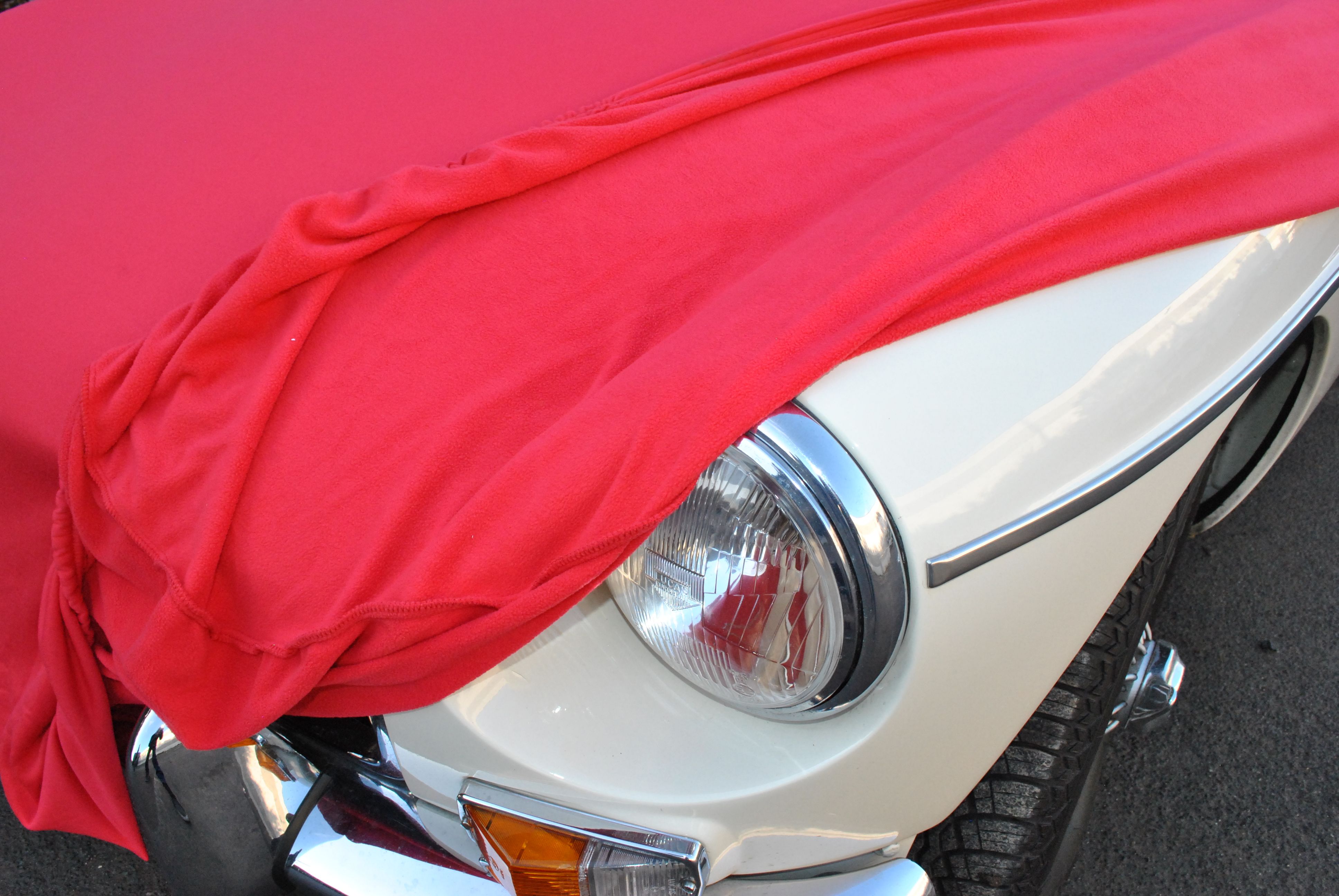
Maintaining the paintwork and any chrome with specific products is also essential, to preserve their good looks from cold and damp. To stop dust building up, wrap your car in a cover.
Use a soft cover (not waterproof) if your car sleeps in the garage and a breathable cover under a carport.
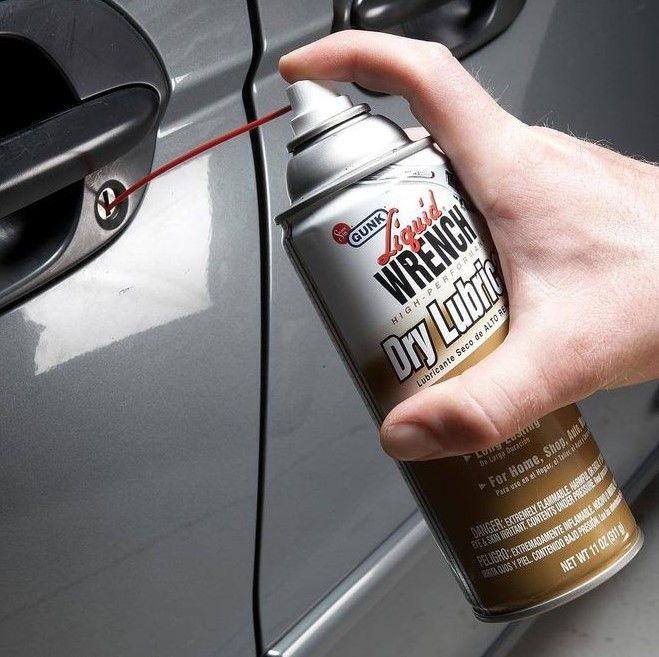
On the openings side, a spray can keep the rubber of the various door and bonnet seals supple, so they don't stick and tear when opened. Also remember to lubricate the hinges and locks, which are also sensitive to corrosion and tend to seize in winter. The old hands also used talcum powder, which you'll find in the baby aisle!
Engage a gear to hold your car rather than using the handbrake. Prolonged use of the handbrake can make the shoes stick to the drums, or the caliper pistons seize. If the car is stored on a slope, put two chocks under the wheels instead to relieve the gearbox.
Even if you don't fully winterise your classic, by making a small occasional outing, these precautions remain partly valid for getting it through the cold season better.
Your car will thank you and will be in top form to enjoy the fine season or the winter sunny spells!

Harald
Le partage de la Passion, simplement.
Subscribe to our MECATECHNIC newsletter