Your vehicle
No vehicle selected
Identify yours to refine your search results
No vehicle selected
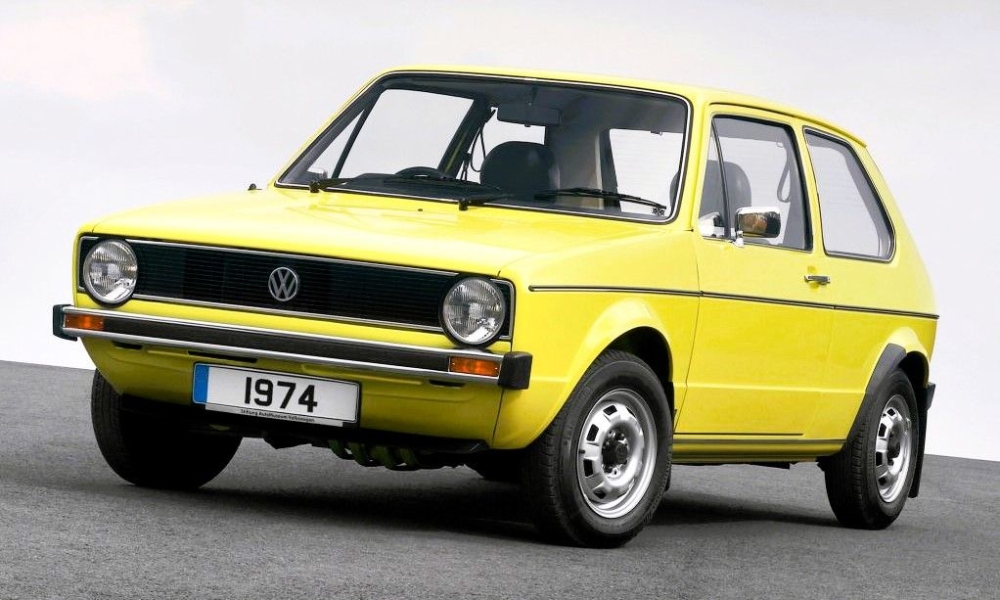
An icon of the 70s, the Golf 1 embodies Volkswagen's modern turning point: compact, stylish, reliable… and ready to make history.
24/03/2026
Harald
7 minutes read
Volkswagen
Volkswagen Golf 1
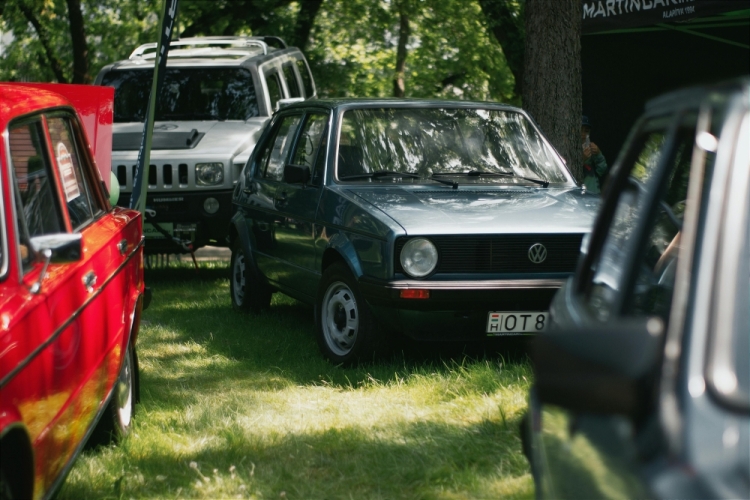
With the Golf 1, Volkswagen made a radical change and entered the modern age.
The Beetle, which saw the birth of the brand, was round, with a rear-mounted, air-cooled flat 4-cylinder engine and rear-wheel drive.
The Golf, which had the hard task of succeeding it and reviving the brand's flagging sales, was its complete opposite! It switched to front-wheel drive, with a transversely mounted, liquid-cooled inline 4-cylinder front engine, and it was rather … square. The Wolfsburg engineers changed every parameter that had made the brand successful since its rebirth, and it was the young Italian designer Giugiaro who was put in charge of the styling.
The Golf, following in the footsteps of the Fiat 127, the Renault 5 and the Peugeot 104, would quickly overtake them and stay, for many generations, top of its class. The small German car was at the cutting edge of modernity; technically it took over the proven engine (EA827) of its cousin, the Audi 80, which let the group save money and be reactive in its change of direction.
The Passat saloon and the Scirocco sports coupé, released just before the Golf, began the renaming of VWs, now christened after the names of winds. Before it went on sale, the Golf was put forward to the press under the name "Blizzard". A name that was finally not adopted … strange. Golf is a short name that is pronounced the same way everywhere in the world and that can refer to the upmarket sport in vogue at the time. The famous black ball would make a fabulous nod to it in 1976 on the gear lever of the very classy GTI.
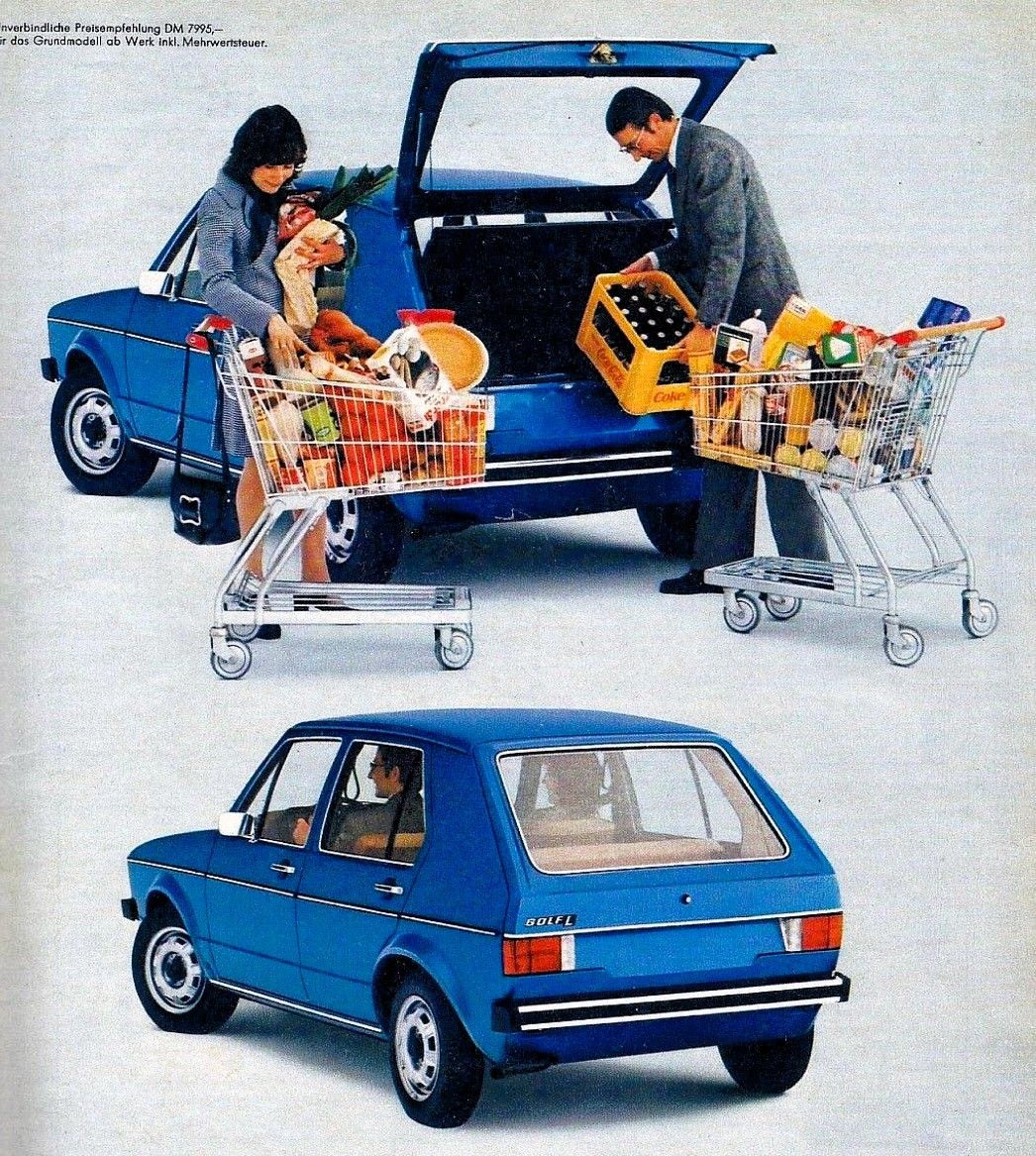
Sales of this new icon, presented in May 1974 in its definitive livery and name, began in the summer of 1974 .
The new little VW arrived just in time to face the oil crisis that began in 1973 and was raging in the car industry. The Golf was small, compact, modern and stylish, well equipped and safe, and it held the road well with a stiffened body that managed to stay comfortable, independent suspension on all 4 wheels, good weight distribution, a tight turning circle and hardy engines (a choice of a 50 hp 1100 or a 70hp 1500) that stayed frugal.
The "cherry on the Black Forest gateau" of VW's marketing: it kept the qualities of its big sister the Beetle, reliability and toughness. It had everything to please in 2- and 4-door form (from launch), with its tailgate, "a big car in a small package". All of this from 15,000 French francs of the day, which put it at the same price as the Beetle.
The gamble on modernity and a change of course was a complete success; it would save Volkswagen.
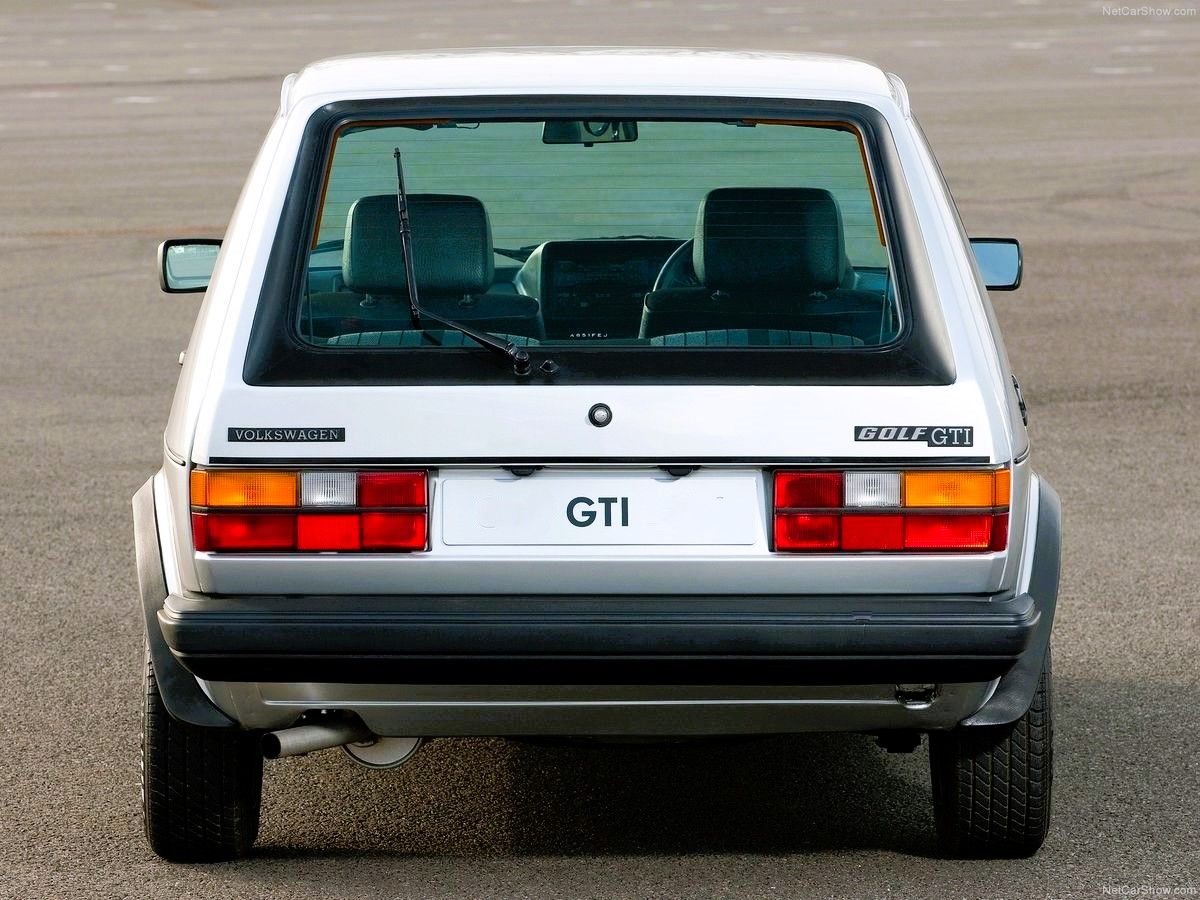
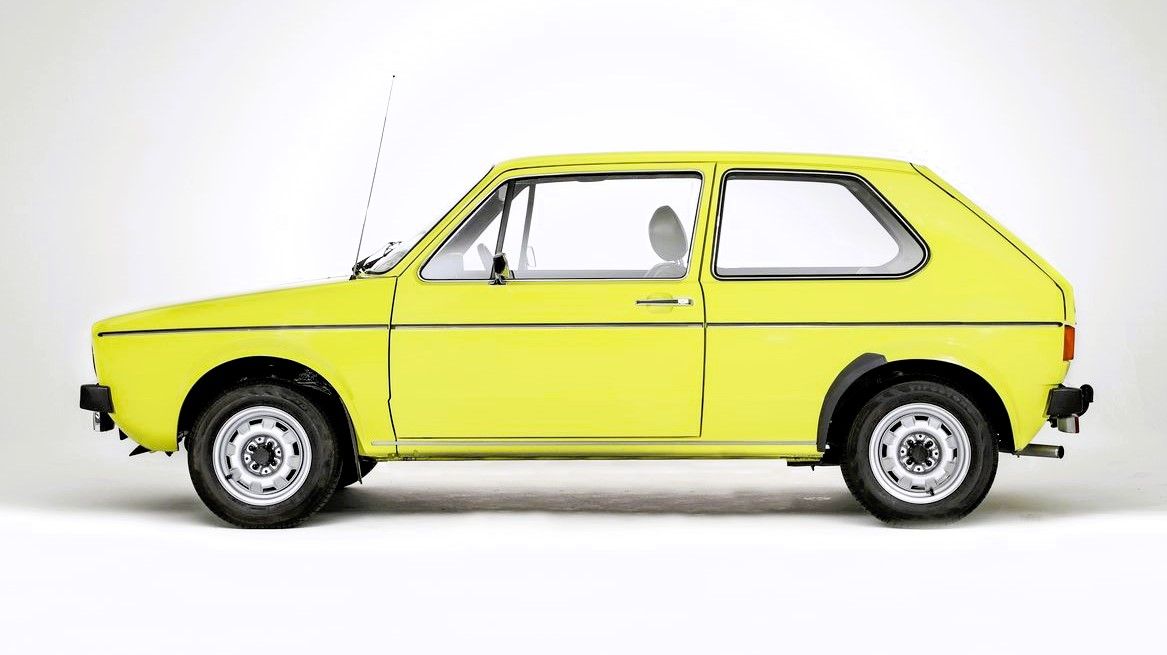
At launch, the Golf measured barely more than 3.70 m in length, for a weight of around 800 kg depending on the version. Compact outside, roomy inside: that is the whole recipe.
The public followed, and quickly. The millionth Golf was celebrated as early as October 1976, only two and a half years after production started at Wolfsburg. The two-millionth came off the line in June 1978, the five-millionth in February 1982. When the first generation left the Western European production lines in 1983, nearly 7 million cars had been built, Jetta and other derivatives included.
In Europe, from 1974 to 1993, several versions and engines of the Golf 1 were available.
When he told us his story in 2020, Alexandre had been sharing the road for seven years with a 1981 Golf GTI 1600 that he nicknames "Little Monster". The nickname is deserved: a complete restoration of the interior, bodywork and mechanics, then a first rebuilt engine that broke, and a second that had to be redone afterwards. The driveshafts, the drums and the fuel system went through it too.
He never gave up. Every breakdown became an opportunity to learn, and the reward awaits him on twisting little roads, where a GTI of that era is still as playful as ever.
The Golf was only called "Golf 1" when its successor came out, the Golf 2. The first film in the Rambo saga wasn't called "Rambo 1" at the start either …

Harald
Le partage de la Passion, simplement.
Previous article
The Volkswagen Golf 4: a new philosophy for the Golf
Next article
The Volkswagen Golf 2: the next generation and beyond
Similar articles
Golf 1 rear brakes: shoes, wheel cylinders and drums
Reliable, light and nimble, the Golf 1 never needed rear disc brakes. Well-chosen drums, shoes and cylinders give safe, quiet and effective braking. A simple system that is remarkably durable, as long as you look after it.
Read the article
Subscribe to our MECATECHNIC newsletter