Your vehicle
No vehicle selected
Identify yours to refine your search results
No vehicle selected
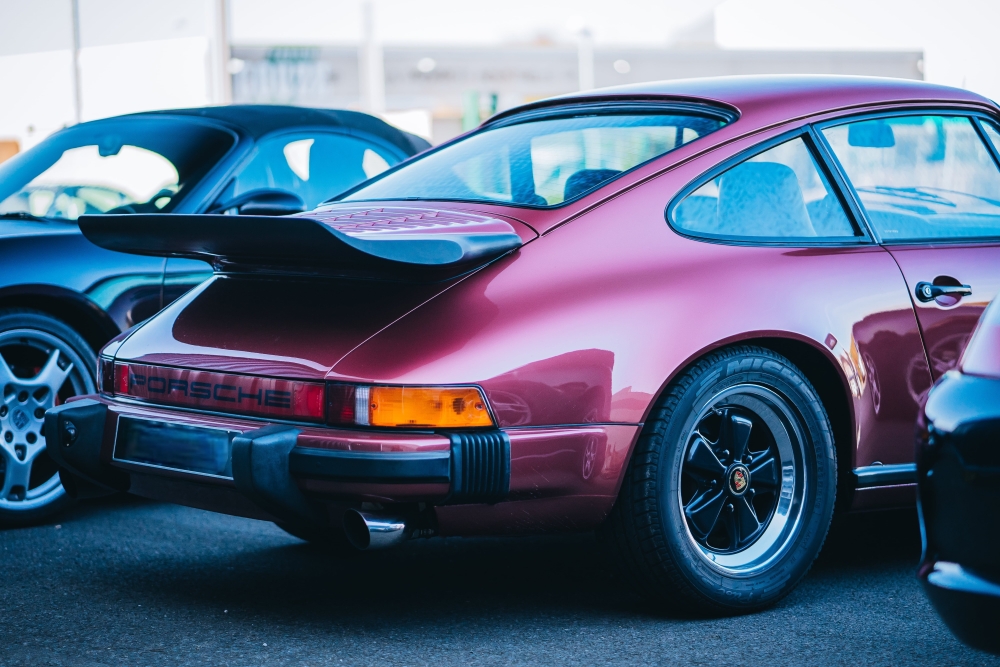
A symbol of performance, reliability and timeless design, the Porsche 911 has spanned the decades without ever losing its soul. Since 1963, every generation has embodied the essence of the German sports car. An icon that never stops reinventing itself.
11/02/2026
Harald
5 minutes read
Porsche
The 911 is certainly the model that allowed Porsche to become a legend.
911, 964, 993, 996, 997, 991 … 992; T, E, S, SC, RS, RSR, Carrera, Turbo, GT, Targa, Cabriolet … There is so much to tell about the 911 and the passion that surrounds it that we won't go through every model and every version year by year here, so many have there been over its long career. Let's dwell on the spirit of the original 911 and on a few anecdotes that make up its history.
It wasn't easy to succeed the 356 … the recipe of the 2+2 sports coupé with an air-cooled rear engine was kept. The line of the 911 was even more dynamic, more fluid; it promised a lot to anyone who looked at it. Its new engine was a 130 hp 2.0L 6-cylinder; it had a dry sump so the oil would not surge away from the pickup in corners. As for the chassis, this is where the first 911 was still finding itself … just like the road it was driving on. At its launch in 1964, the 911 was so "floaty" because of the weight carried at the rear that, in an emergency, Porsche fitted 22.6 kg of ballast in the front bumper reinforcements. The real technical solutions were quickly found, thanks to the experience of Porsche in competition.
The 911 is fast and remains a sports car you can use every day; it is a real Swiss Army knife. In the morning you drop the kids (mind the size!) at school, in the afternoon your mother-in-law at the station and on Saturday, your rivals on the track! On Sunday, you take it out again to pop out for a loaf of bread.
It has presence, temperament, class; it is one of the few sports cars that isn't afraid of high mileages and that enjoys great reliability.
Porsche's engineers never stopped reinventing it, improving it over the years. Each new one is more capable than the last.
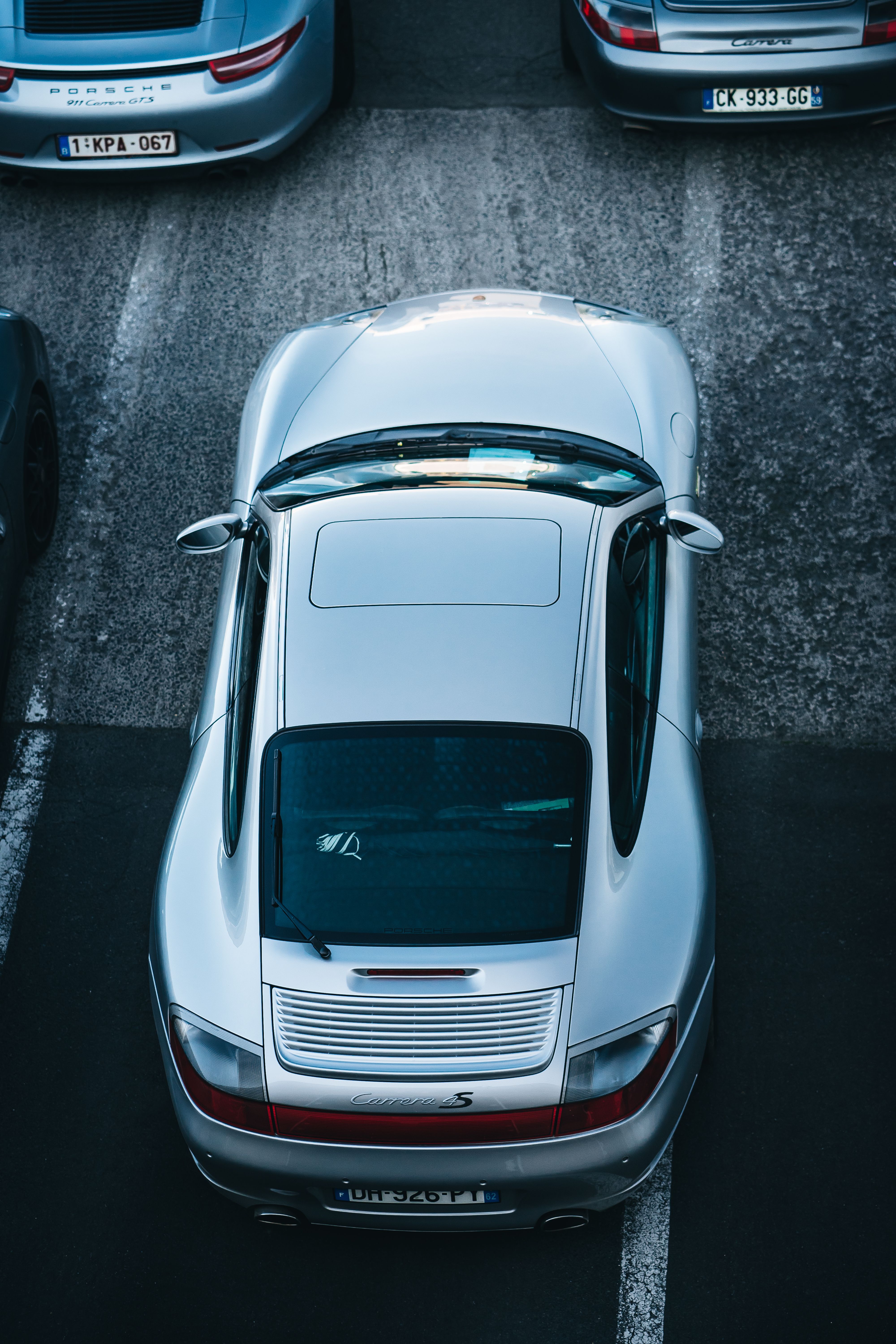
Contrary to what you might think, it was Ferry, and not his father Ferdinand (the father of the Beetle), who designed the 356. Ferry was therefore the man at the helm of the 911 project.
It was Ferdinand Alexander, Ferry's son, better known by the nickname "Butzi", who drew the curves of the 911. He managed to create a body with taut lines, more modern but in the spirit of the 356: 2 doors, bulging front wings, a (flatter) bonnet, a sloping fastback roofline.
Ferdinand PIËCH (future boss of Volkswagen), the nephew of Ferry PORSCHE, worked (with the engine designer Hans MEZGER) on the genesis of the type 901 engine, the famous flat 6 that would power the 911. From the outset, this engine was designed so that it could be taken up to displacements of as much as 2.7L, even 3.0L.
Say 911 and you say Racing … "of course".
"Win on Sunday, sell on Monday"; this FORD quote holds true for all manufacturers but suits Porsche's philosophy well. Since the 70s, sales of production 911s have been boosted by the many victories of the 911s and the other 904-906, 917, 935, GT1 etc. Porsche pulls out all the stops in competition, to the delight of its customers, who identify with the brand's many successes.
The great advantage of competition is that what is tested and validated there often ends up, a little later, on the customer's plate. Turbo, ceramic brakes, engine, sports chassis, big tyres at the rear … RS, GT2 and 3 … it all comes from the track.
Porsche is the marque with the greatest number of race victories: more than 30,000!
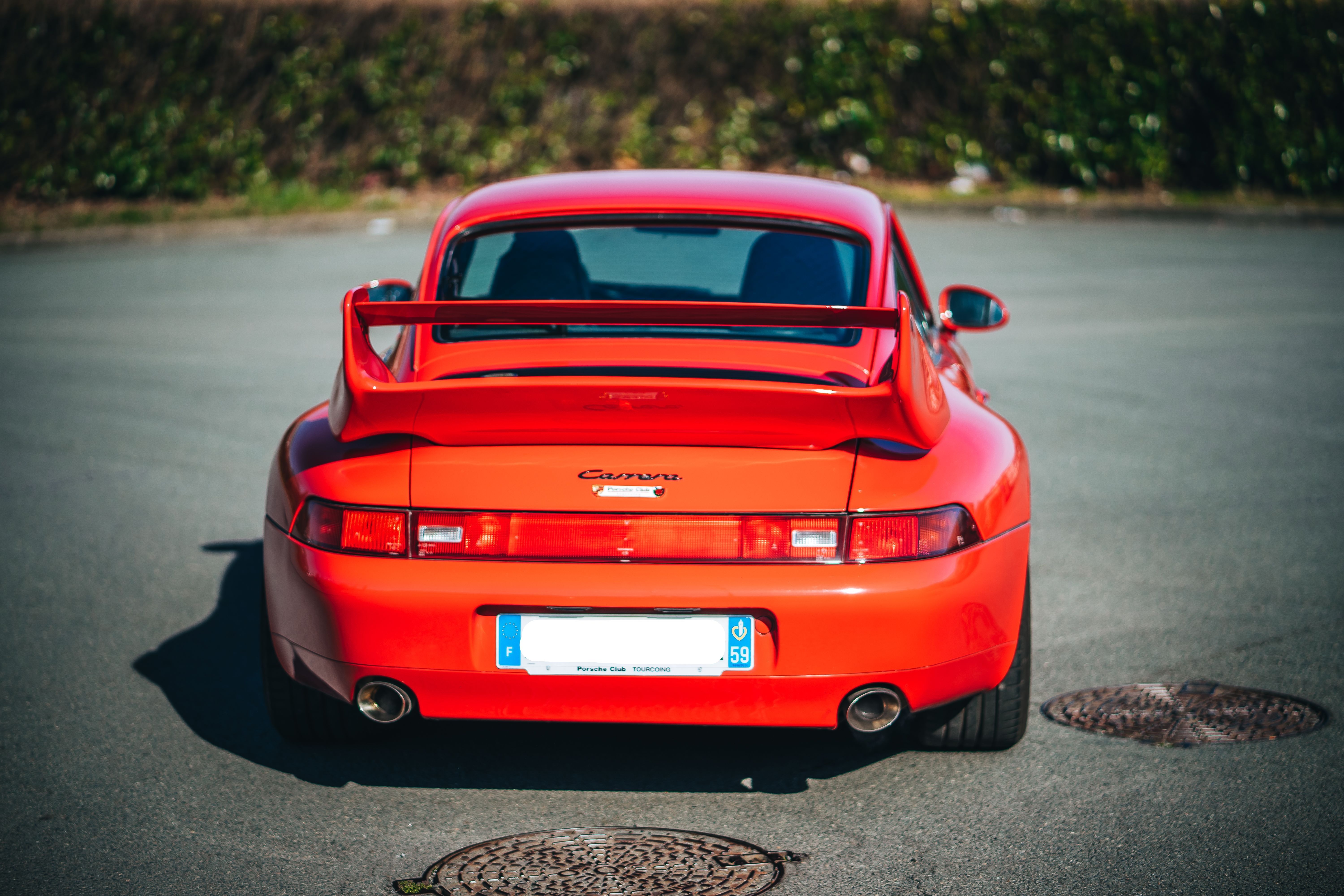
In the early 70s, the 911 stagnated in its technical development; nothing in particular happened even as efforts to win on the circuits redoubled. Sales were healthy but were going to stagnate, and the bosses, like at VW, thought it was time to change direction. From 1975, the line of 924, 944, 928 was destined to succeed the grandmother 911, which seemed to be outdated (the height of irony for a Porsche). The Stuttgart firm struggled to understand that its 911 was irreplaceable.
The front-engined Porsches were to establish themselves as a complementary range, as the Boxster and the Cayenne and Macan SUVs would later do, with more success. It was in 1994 that Porsche returned to prosperity; a new organisation and cost-cutting had something to do with it, but it was the type 993 911 that let Porsche rediscover its customers' fervour at that time.
Since then, between big and small successes, various economic crises, COVID, penalty taxes and regulations have thrown a spanner in the works for the 911. And it is still here, immortal.
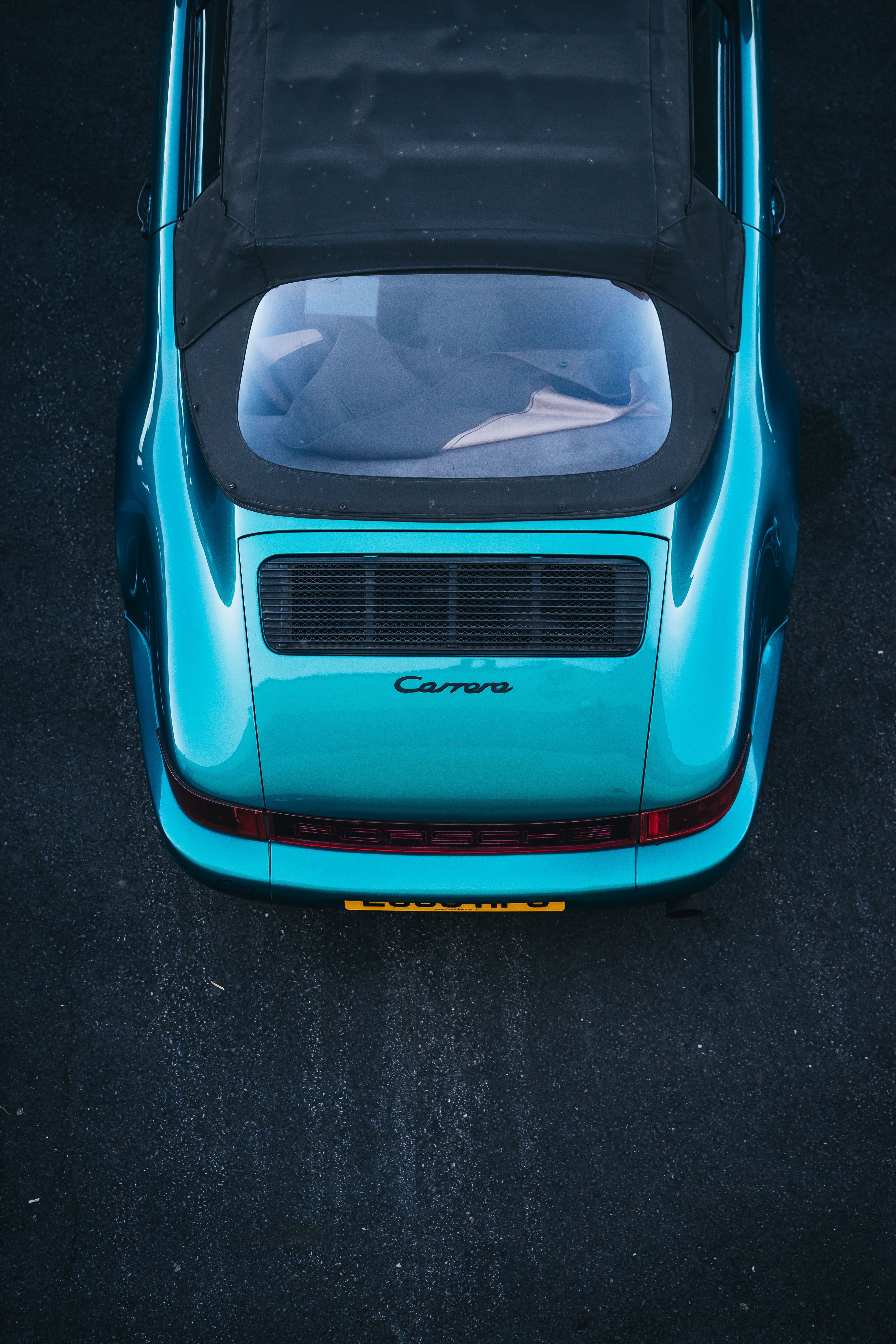
The first-generation 911s, the "frogs" as they are called, were fitted with the famous FUCHS wheels from 1966 on the S (and as an option on the others). Forged in one piece at high pressure, they are much stronger and lighter than cast alloy wheels. This timeless symbol of performance is associated with racing 911s and sporty versions, such as the fabulous 2.7L RS ducktail of 1973 or the 911 Turbo. They enhance the lines of the early 911s up to the 3.2 L; they would reappear in a large size on the 997 Sport Classic, to the delight of fans.
Reliable, fast and good at everything, the 911 is indeed the brand's totemic model. A design all its own, which has never stopped evolving over the years while keeping a silhouette recognisable among 1000. All these points make the 911 THE benchmark sports car, the (rearing) yardstick of the segment. Its post-2035 future seems set to be electric but the matter is not settled yet, we'll keep you posted. What would a 911 be without its sound? A moving object without a soul?
The Porsche 911 is a timeless icon that ought to be reimbursed by French social security. If you have a problem, dial 911.
Harald
Le partage de la Passion, simplement.
Subscribe to our MECATECHNIC newsletter