Your vehicle
No vehicle selected
Identify yours to refine your search results
No vehicle selected
A symbol of an era and a timeless icon, the Volkswagen Beetle is the people's car par excellence. From its controversial origins to its worldwide success, it made history through its simplicity, reliability and unique charm. A rolling legend that still charms collectors and enthusiasts all over the world.
26/03/2026
Harald
6 minutes read
Volkswagen
The story of Volkswagen is certainly the best known in the world, of all the car brands that have ever existed; there is no need to tell it to you in detail.
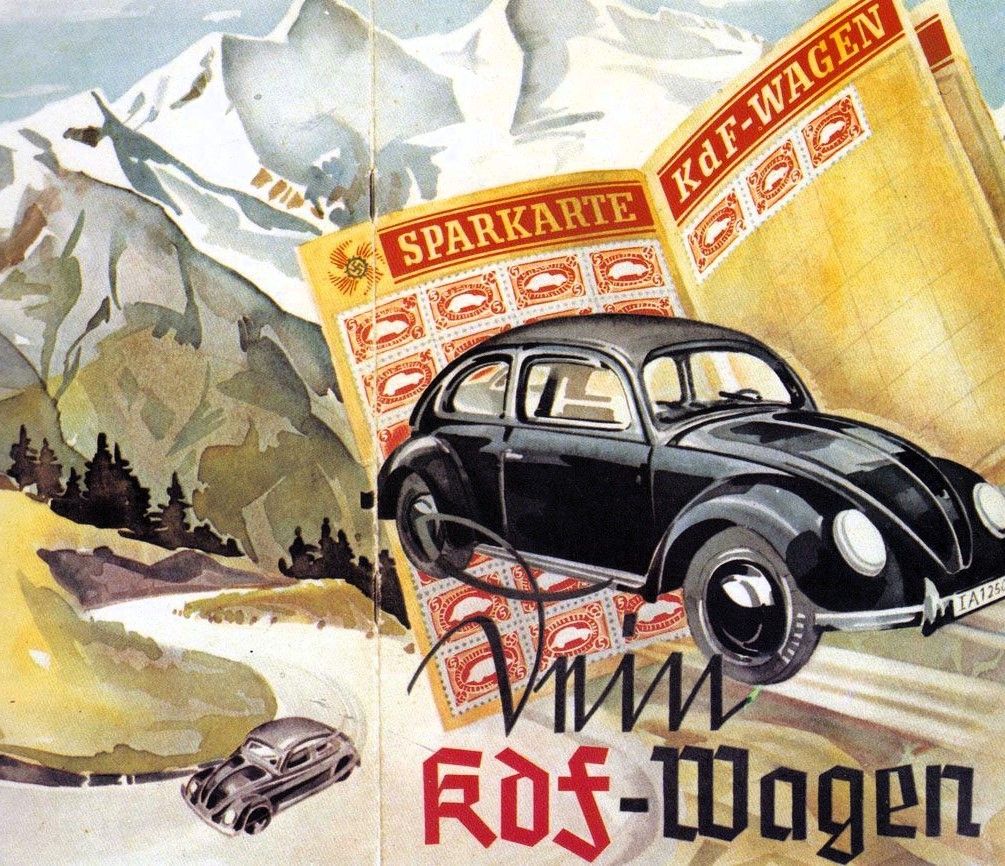
The people's car, the car for everyone, meant to equip the greatest number of German households at an affordable price, was born from the meeting of two Austrians: a gifted engine designer and a self-taught painter with outsized ambitions, bigger than his little moustache.
This car, born KDF ("Strength through Joy"), was presented in 1938 and served as propaganda for its sponsor at the time. The Second World War pushed back its commercial launch to 1946. The rebirth of the Beetle project is the German postwar miracle, carried out by Major Ivan HIRST (British occupation forces), on the basis of the work of Ferdinand PORSCHE, who drew up the plans in 1934.
The real take-off came in 1950, with more than 90,000 vehicles produced that year. Heinrich NORDHOFF, who ran Wolfsburg from 1948 to 1968, is certainly the man to whom the brand's success is owed, once it was back under German control in 1949.
In summer 1945, the Wolfsburg factory found itself in the British occupation zone. Promised for dismantling, it was entrusted to a young officer of the Royal Electrical and Mechanical Engineers, Major Ivan Hirst. He got the plant running again and in August 1945 obtained from the British military government an order for 20,000 saloons for the needs of the occupation: the dismantling was suspended, and the factory had a future. Series production of the saloon began on 27 December 1945.
On 8 October 1949, the British handed control of Volkswagenwerk GmbH over to the very young Federal Republic of Germany.
Source: Volkswagen Group historical chronicle and Volkswagen Newsroom.
It proved economical for its day, needed little maintenance, was robust and reliable, always ready to go in all weather conditions. Cheap, it went everywhere and was easy to repair, which made it THE benchmark of its segment around the world. Its export sales, notably to the USA, launched its career.
Its faults of yesteryear are its qualities today; the Beetle is slow, noisy, sensitive to crosswinds, not very roomy, and has poor headlights... and that is what makes it a car with character. This car has a soul. Anyone who has ever driven a Beetle knows it: it is not a car, it is a way of life, a phenomenon. It is a face, a sound, an atmosphere, a different driving experience, in short... nothing but pleasure.
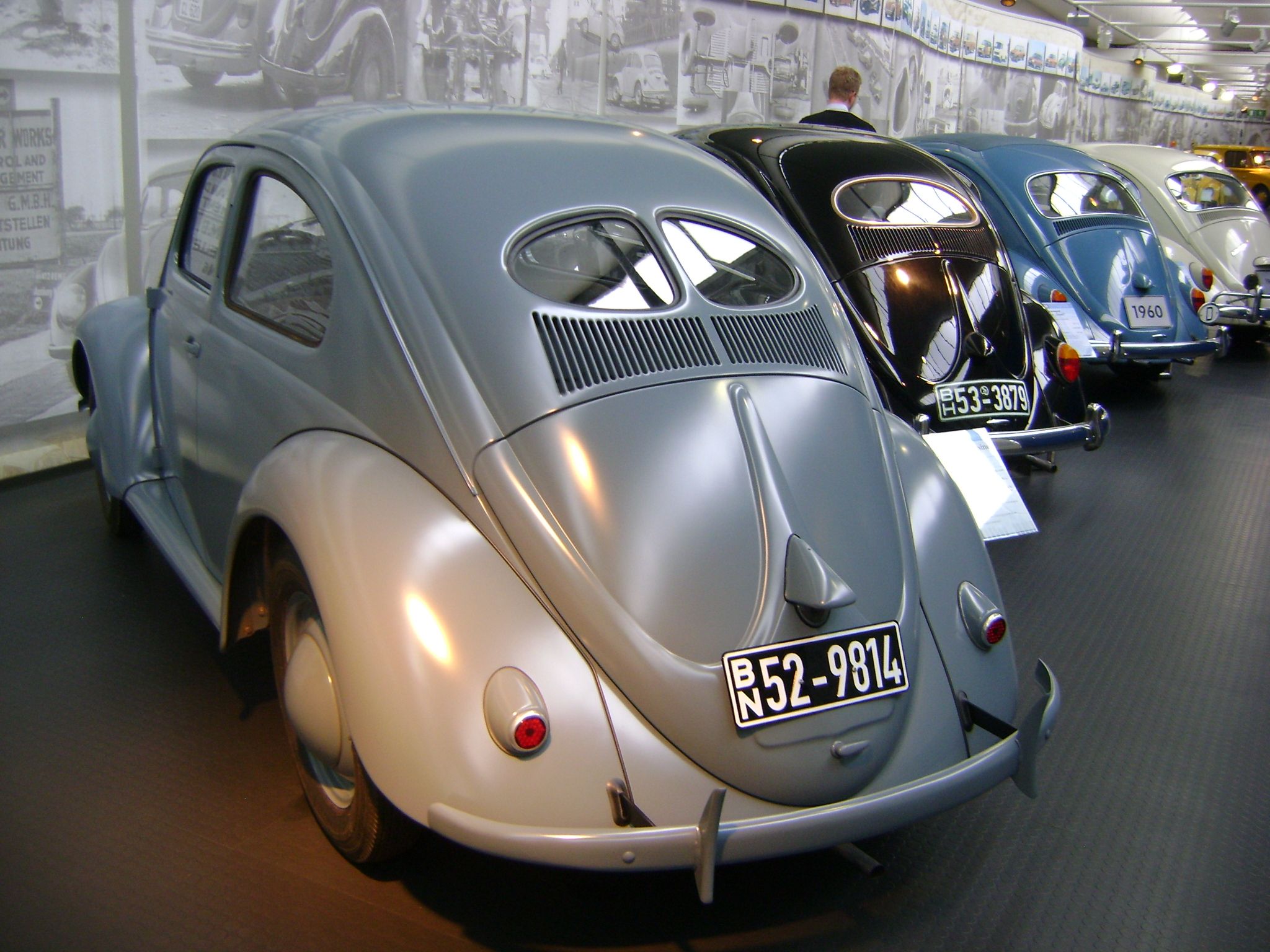
This little VW owes its nickname to its rounded, shell-like back: Beetle in English, Käfer and Kever (beetle) in Germany and the Netherlands, Maggiolino (cockchafer) in Italy, Escarabajo (scarab beetle) in Spain, Fusca in South America, and Coccinelle (ladybird) in France.
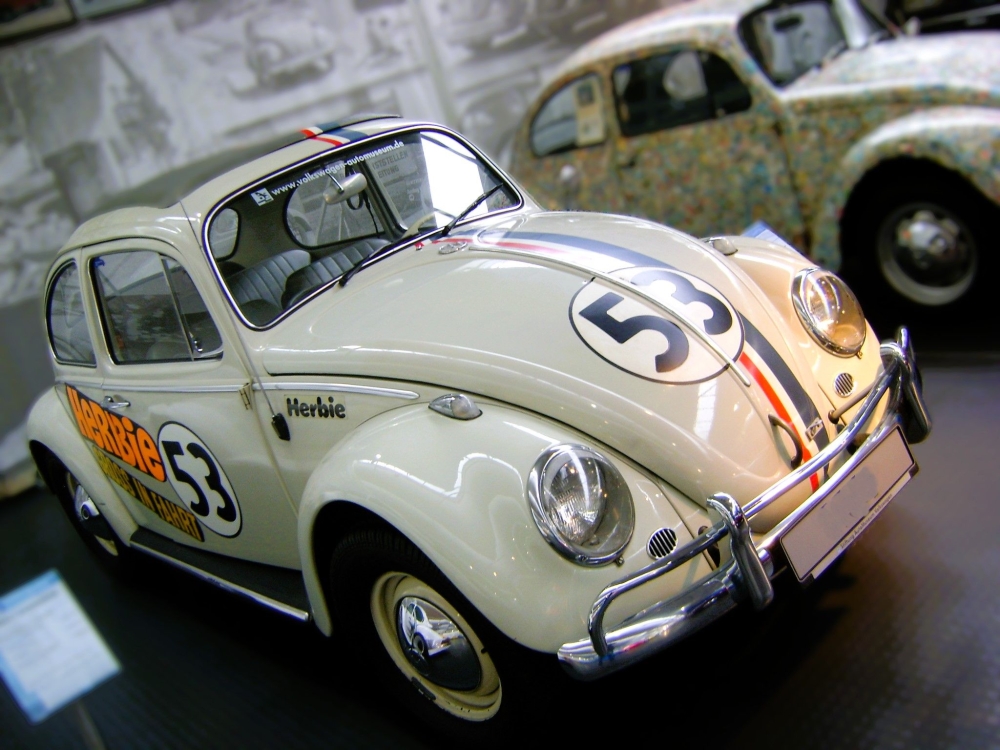
"Herbie", or "Choupette " as the French know it, is certainly the most famous of Beetles. Based on a 1963 sunroof model, this "love bug" wearing the number 53 enjoyed worldwide success through 5 Disney films that became cult favourites for young and old (and for the young who grew up!). The yellow Bumblebee of Transformers followed in its footsteps in 2018.
Present in 140 countries, the Volkswagen company quickly created many factories and placed importers all over the world. The simplicity of its Beetle and its availability made its success.
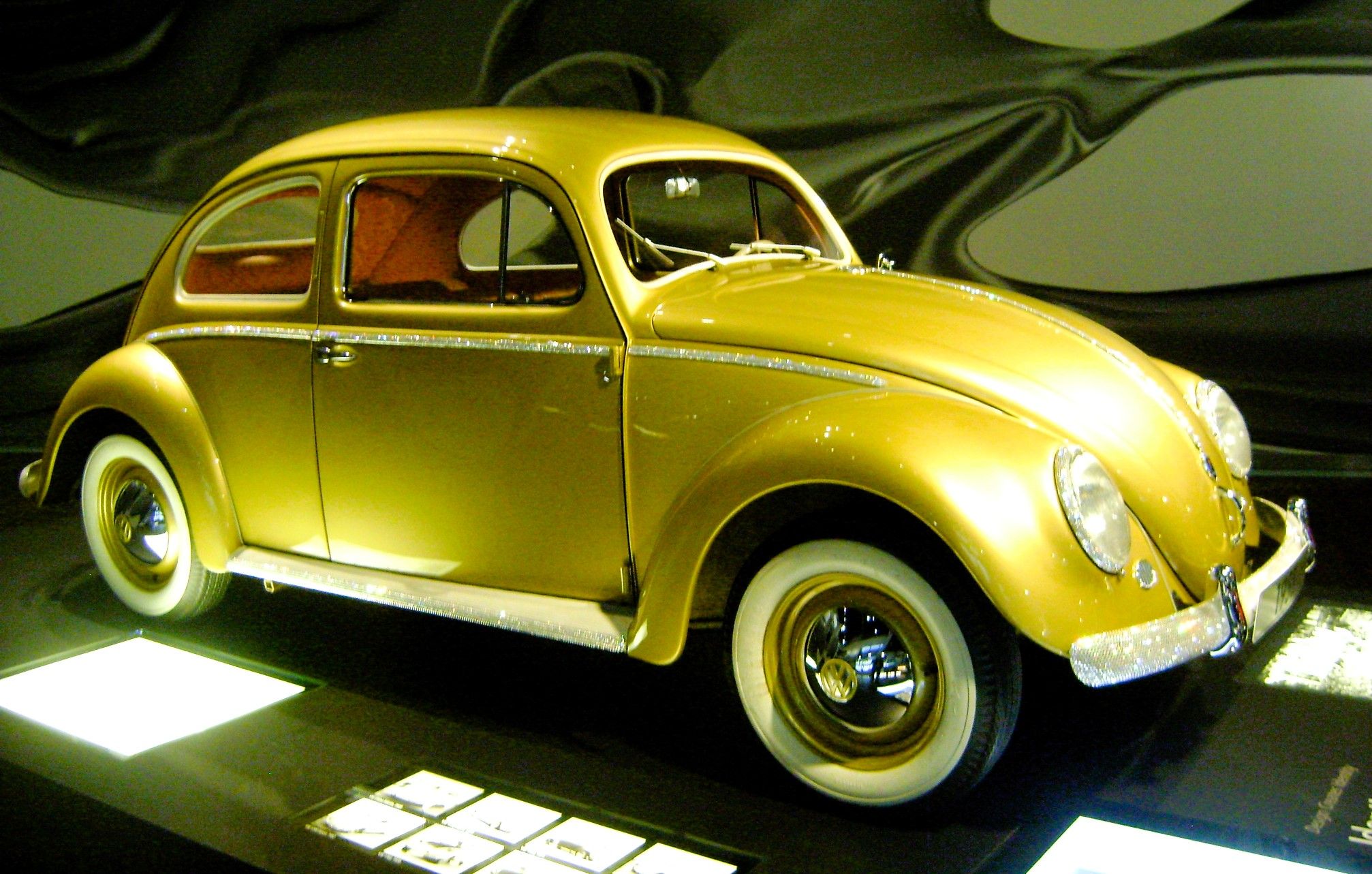
On 17 February 1972, the 15,007,034th Beetle built in Wolfsburg rolled off the line, and it was a 1302 S. It beat the record of the legendary Ford T, set in 1927, and put VW into the history books. To celebrate, the company brought out a special edition called "World Champion".
Born in wartime, this car would keep resisting until 2003. The last Beetle came off the line in Puebla, Mexico, making this icon the best-selling car in the world with 21,529,464 units (same design and configurations). To mark this farewell, VW Mexico produced one last limited series: the "Ultima Edicion" (3,000 units).
The "Type 1" of the VW family, the first of a great line (the "Type 2" being the Camper), evolved a great deal over time, keeping the same family look that lets you recognise its silhouette among 1000 in a car park.
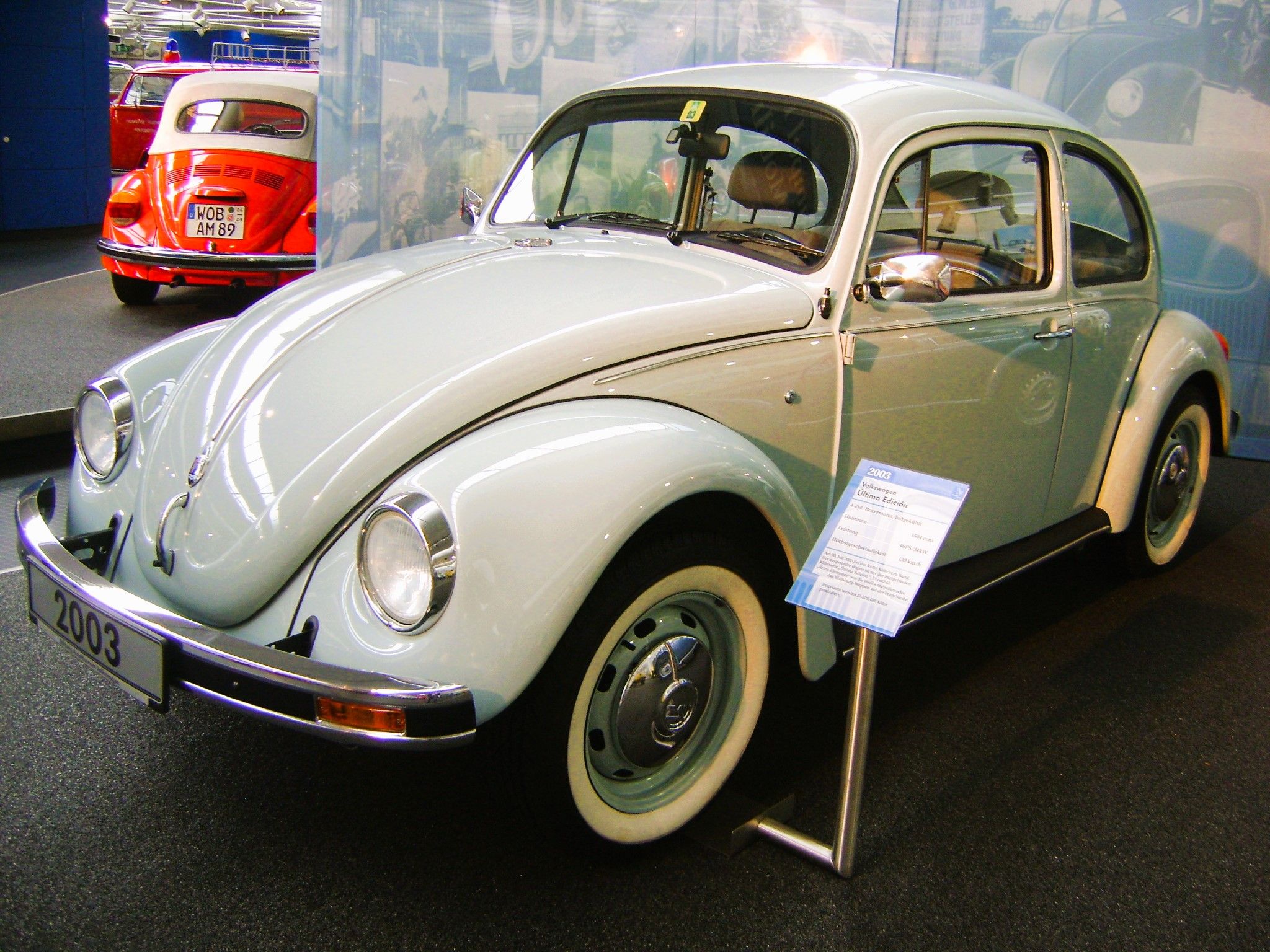
Here is a short, non-exhaustive quick guide to the major changes that appeared on the Beetle:
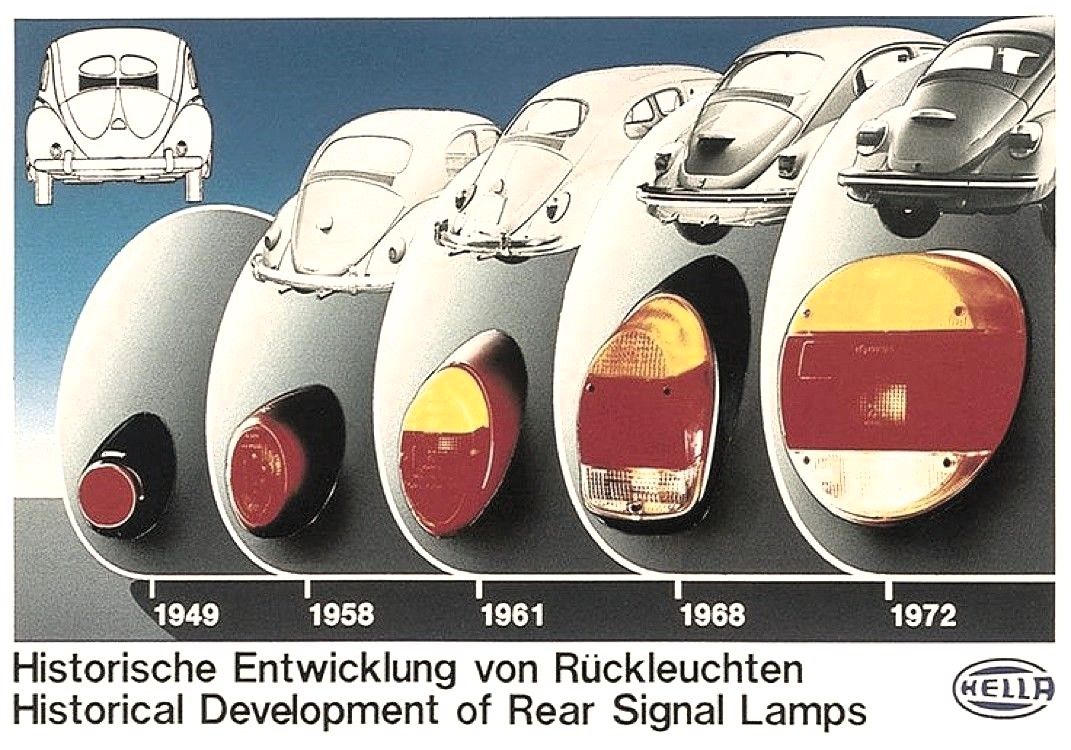
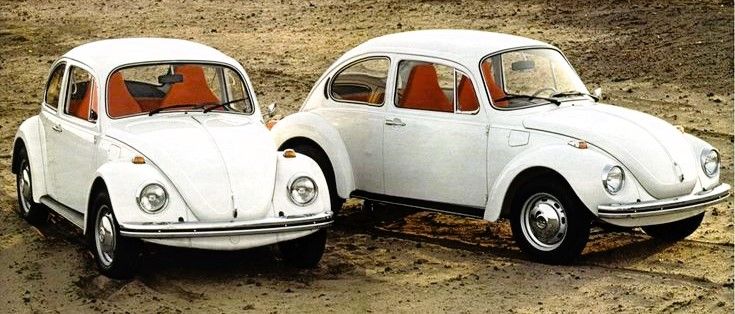
The Volkswagen Beetle is one of the most remarkable successes in automotive history, both in terms of its production figures and its enduring popularity over time. Overtaken by progress (regulations) and by its sister the Golf 1, its second-hand success will never fade; quite the contrary, the Beetle will remain anchored as an icon among collectors and lovers of beautiful simplicity, for eternity.
Harald
Le partage de la Passion, simplement.
Subscribe to our MECATECHNIC newsletter