Your vehicle
No vehicle selected
Identify yours to refine your search results
No vehicle selected
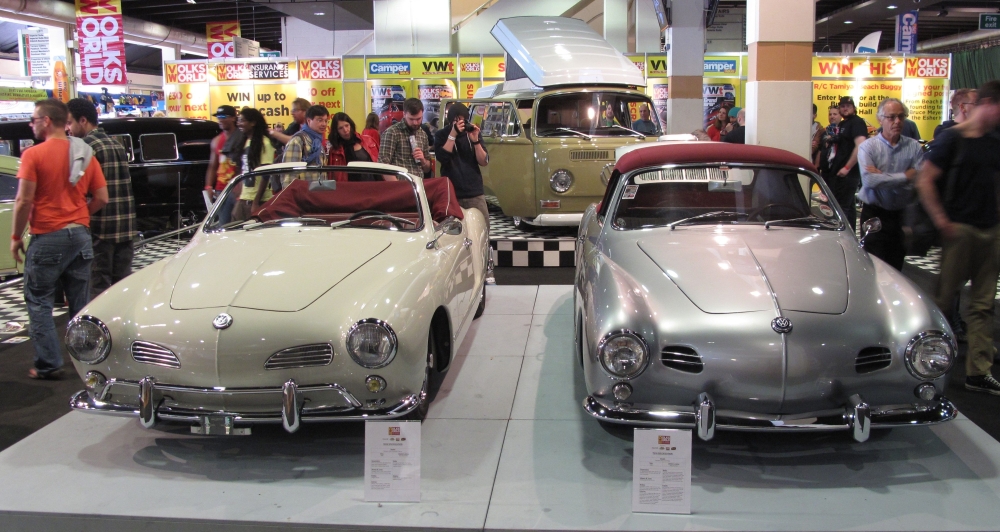
An elegant coupé derived from the Beetle, the Volkswagen Karmann-Ghia marries German rigour with Italian style. Types 14 and 34, updates and points to check before buying.
30/03/2026
Harald
7 minutes read
Volkswagen
Sports coupés are rarer and dearer but they give off a whiff of freedom and a refinement that "people's cars" don't have.
The Karmann type 14 is the product of a successful marriage between German rigour and Italian class; the solid and renowned Beetle was thus transformed in the factories of Karmann, the historic coachbuilder of the Volkswagen house.
VW wanted to be able to offer a whole range around the Beetle, notably for the American market, which wanted "chic and trendy" coupés and cabriolets.
Elegance personified, this coupé with a sporty air and clean styling was dressed by Ghia of Turin. It thus has a characteristic slender profile, low and elegant, with the curvy shapes of a Tex Avery pin-up, and invites you to live la dolce vita at its wheel.
The Karmann's added floorpans are wider (12 cm) than those of the Beetle, which allows a neat fit for the bodywork bolted on top. It has a small boot behind the mini rear bench, in addition to the one at the front. It is a 2 + 2, and sitting in the back can feel like a punishment if you are over 1.60m!
You don't climb into a KG, you lower yourself into it. The driving position is a little peculiar with its offset pedals; it is a very comfortable and pleasant car to drive, in town as in the country.
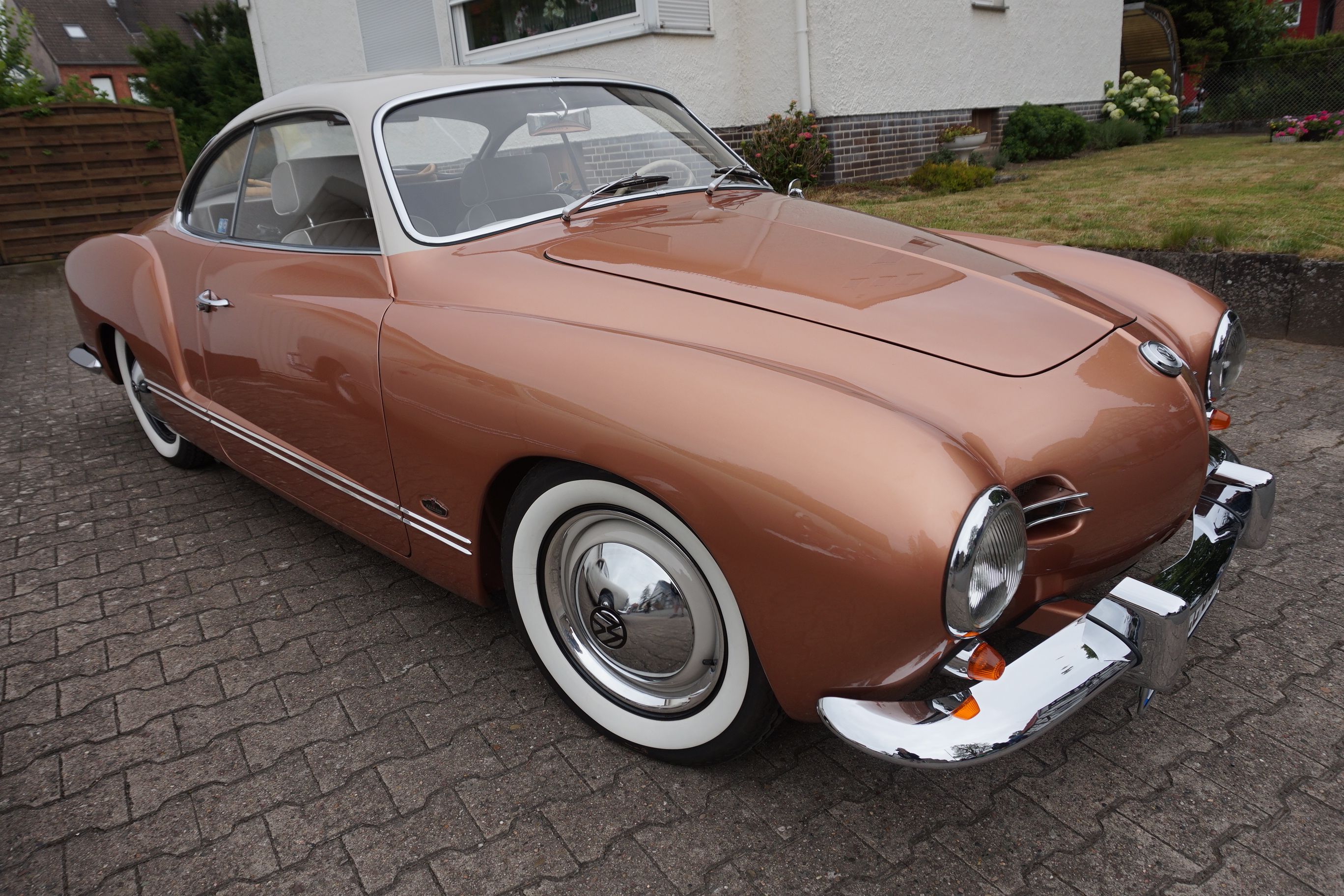
Short of inspiration after VW rejected the first designs put forward, Wilhelm Karmann turned to the Italian stylist Ghia. The design was approved, the three names joined forces and the Volkswagen Karmann-Ghia type 14 coupé was unveiled to the public at the 1955 Frankfurt show. Success was immediate; it was expensive but people loved it.
Its price, almost double that of a standard Beetle and a little more than that of the Beetle cabriolet, placed it from the start as the top of the VW range, which did not cool the wealthy American market, which clamoured for its import. It was not until summer 1957 that the cabriolet version was revealed (literally), having been held back by rigidity concerns until then.
This little cabriolet with Italian elegance, in the glamorous spirit of the Lancia Aurelia, was a smash hit in the USA, to the point that most of the production went to Florida and California.
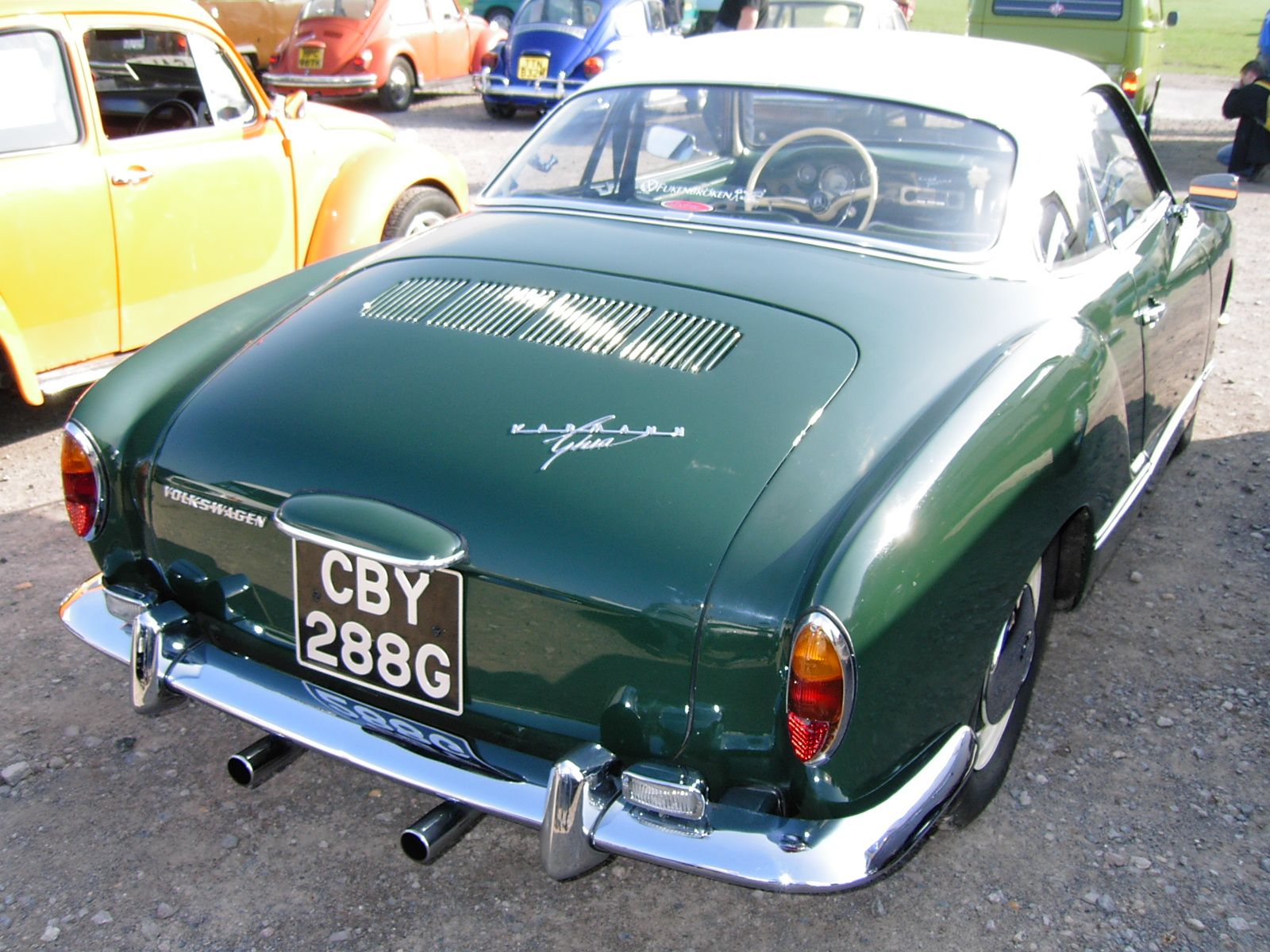
From 1955 to 1959, we speak of the Karmann Low light, meaning "low headlights", in comparison with its styling update in 1960. The round headlights sit quite low on the front wings, the air intakes on the nose are small and the tail lights look like little Petit Beurre biscuits.
The second version (phase 2) of the Karmann-Ghia appeared with the 1960 model year. The front wings are less swollen and the enlarged headlights rise a little, the intakes get bigger and are embellished with small aluminium grilles with 3 bars, and the tail lights stretch out into an oval shape.
The third styling update took place in 1970 and 1971 with enlarged tail lights and front indicators. It was accentuated in 1972 (fourth update?) with the appearance of big U-shaped bumpers, as pretty as crash barriers... and with the lights growing again, encroaching on the curve of the rear wings. These changes were due to regulations that were becoming constraining for stylists: cars had to have more imposing bumpers and more visible lights and indicators; safety first, aesthetics second.
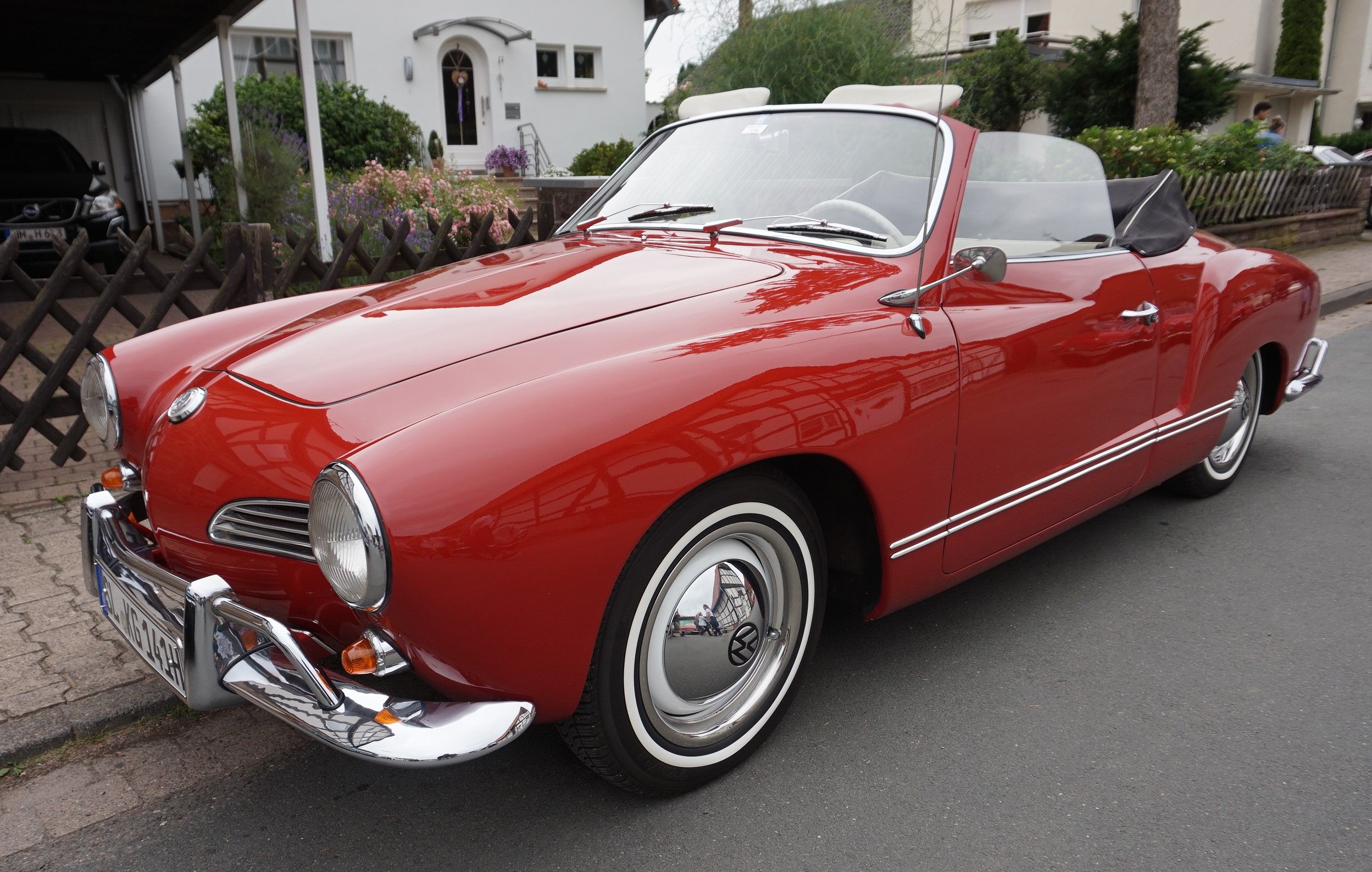
These changes, necessary to survive in North America, definitively sank the Karmann-Ghia's career. It grew uglier, the aesthetics and harmony of its lines suffered; the pollution rules in force in California delivered the final blow to its little 1600 engine, which had stayed faithful to the carburettor. Sales tumbled from 1971; the death knell of this fine adventure sounded in February 1974.
On the technical side, whether in chassis or engines, the Karmann benefited from the Beetle's advances. From the little 1200 engine with its cast-in dynamo stand to the dual-port 1600, from 5 x 205 drum brakes to 4 x 130 front discs, from 6 to 12 volts, everything was modelled on what was being done in Wolfsburg.
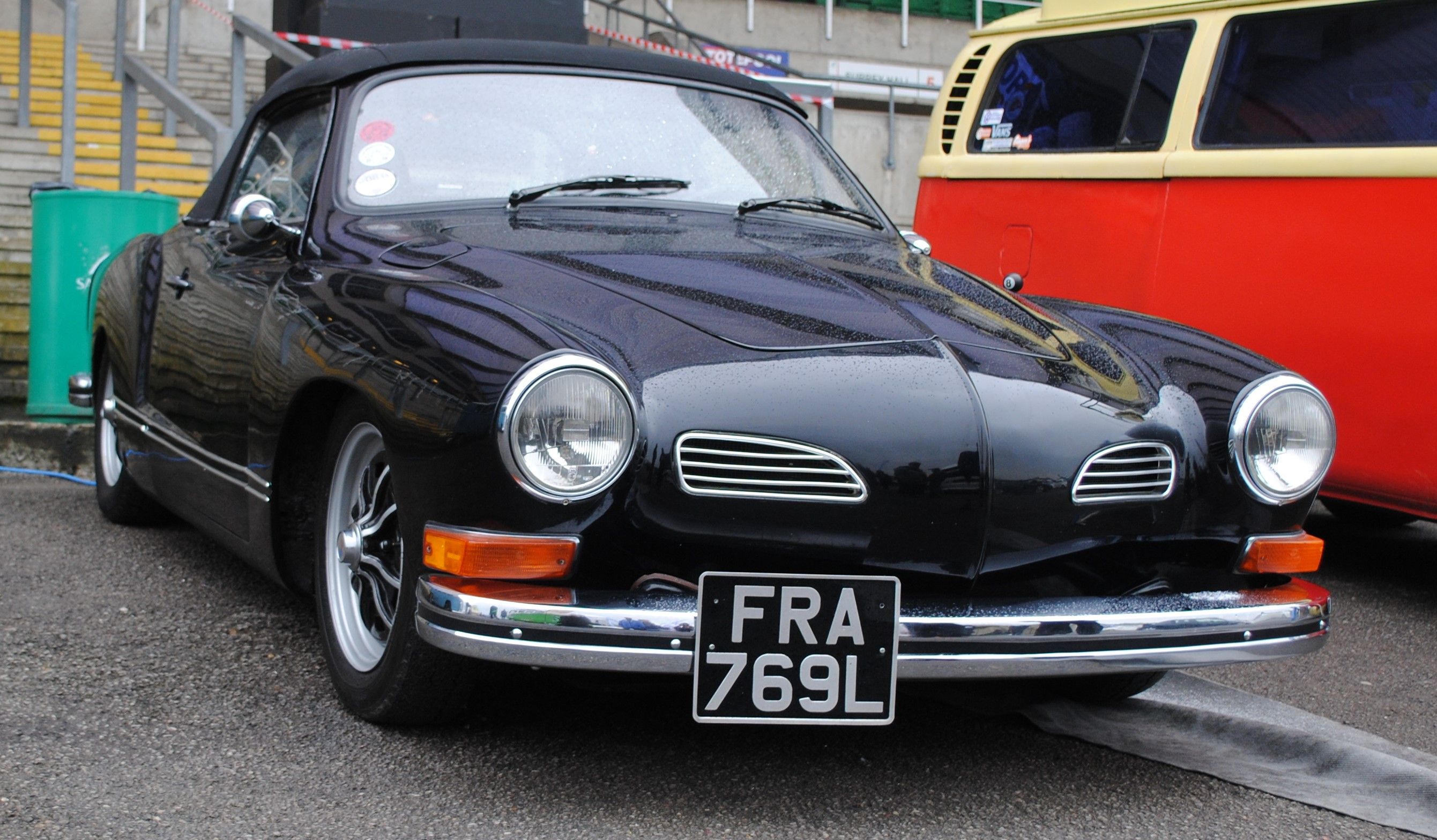
The type 34, as its name suggests, comes from the type 3. Launched in 1962, it was a styling evolution of the type 14. The 34 took the platform of the type 3 coupé that appeared in 1961, which includes its sturdy flat-mounted 1500 engine (nicknamed the "pancake"). Reserved for the European market, it took on the creased look of the Chevrolet Corvair, which earned it the nickname "razor edge".
Bigger and roomier, faster and dearer than the type 14, its production, which stopped in 1969, did not exceed 42,500 units, which makes it a rare model (to be bought complete!).
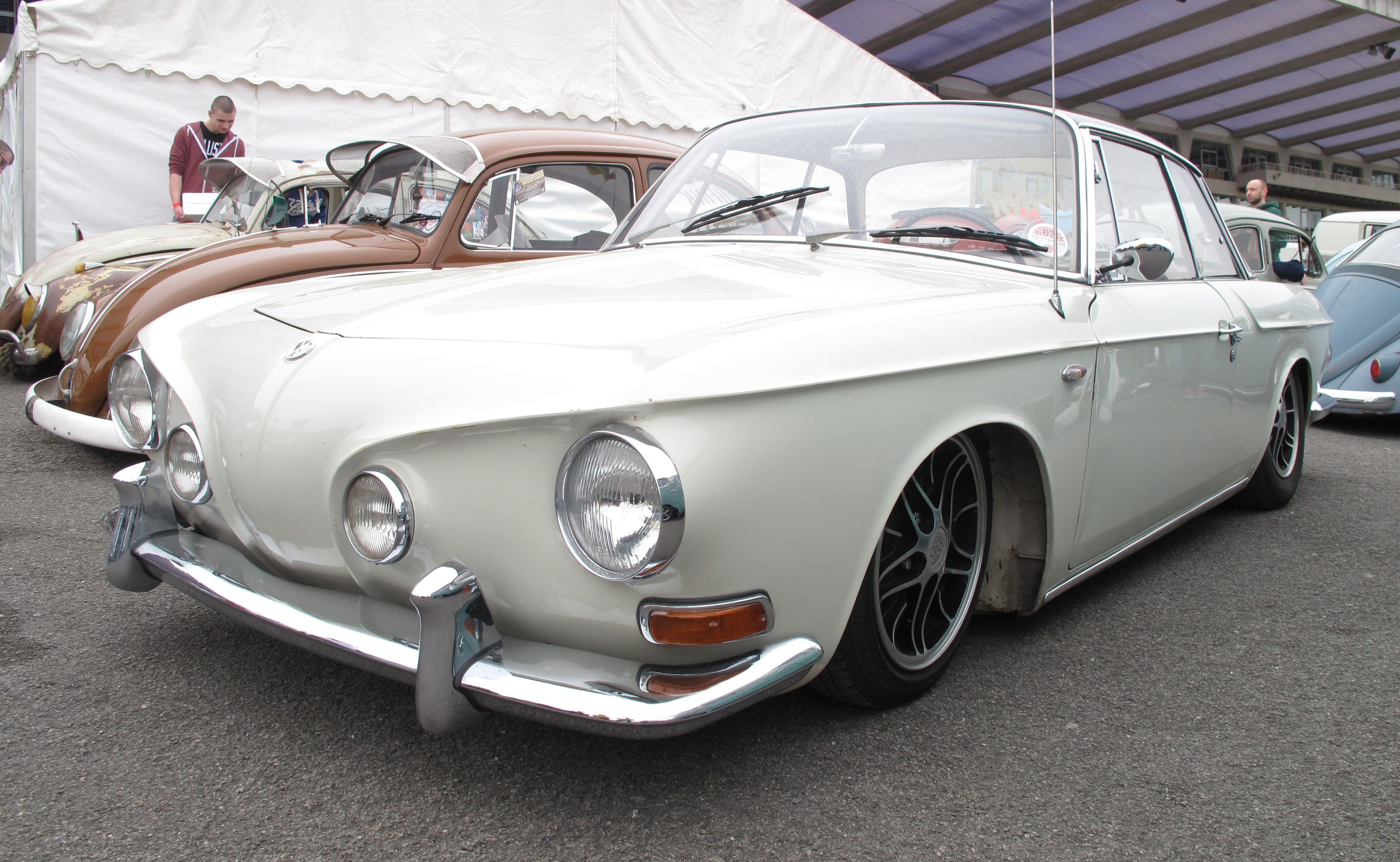
That the registration document matches the serial number on the manufacturer's plate and stamped on the chassis spine (under the rear seat). I call it the "3-in-1": one and the same number that must be found 3 times. Don't buy a cabriolet with a coupé's registration document, or a coupé with Beetle papers. Check the chassis number carefully.
The big fault of Karmanns is their poor resistance to rust. After the war, it proved difficult to find quality steel. You'd think that Karmann Ghias, besides their style, share the same problem as the Italian cars of the 60s. Unlike Beetlees, Karmanns are monocoque and the wings are integral with the body, which can prove complicated after an accident.
If rust has made its nest in the ducts and box sections, expect a hefty quote. If you are not a bodyworker yourself, prefer to buy a restored car (with photos to prove it), even a dearer one... it will cost you less in the end!
Specific parts such as body trim, opening panels and chrome can be found (more or less easily) second-hand; seals, trim strips, seat covers and door panels, headlights and even bumpers are available as reproductions. Prices are generally higher than for Beetle parts; what is rare is expensive. For cabriolets, add a dose of spice, the hood work will sting.
For everything to do with running gear, engine and gearbox, no worries, you can find everything, we are on the home turf of the donor vehicle: the Beetle.
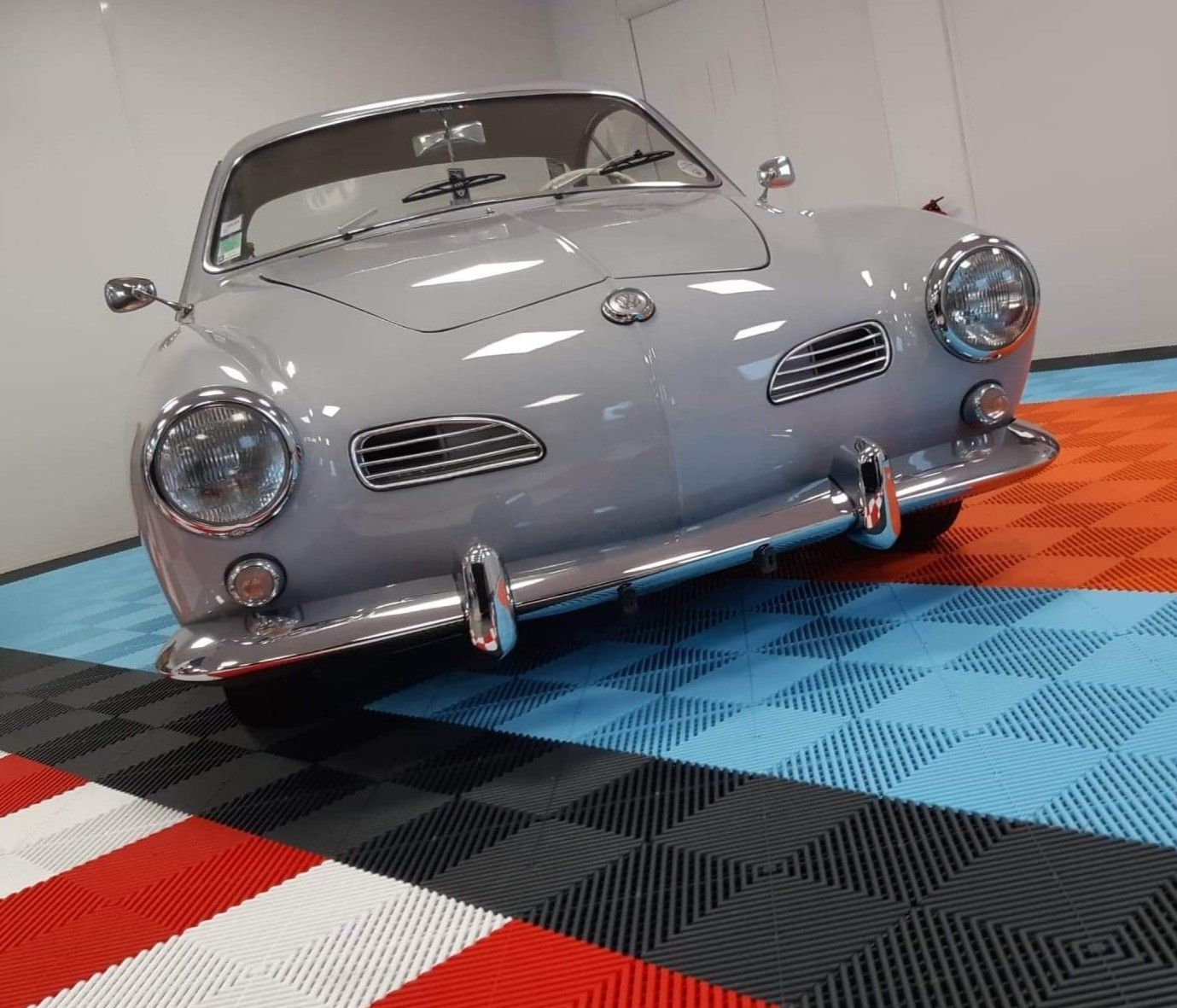
With more than 445,000 Karmann-Ghias built (nearly 81,000 of them cabriolets), this true coachbuilder's car perfectly embodies the elegance of the 50s and 60s.
The page turned in 1974: the Karmann factory would devote its firepower to the Porsche 914 and the future Scirocco coupé, derived from the modern Golf 1, which itself was getting ready to push out the Beetle. Times change, Wolfsburg is going water-cooled.
This original Beetle in evening dress has become a legend; I hope you get to try one and understand all its charm.

Harald
Le partage de la Passion, simplement.
Subscribe to our MECATECHNIC newsletter