Your vehicle
No vehicle selected
Identify yours to refine your search results
No vehicle selected
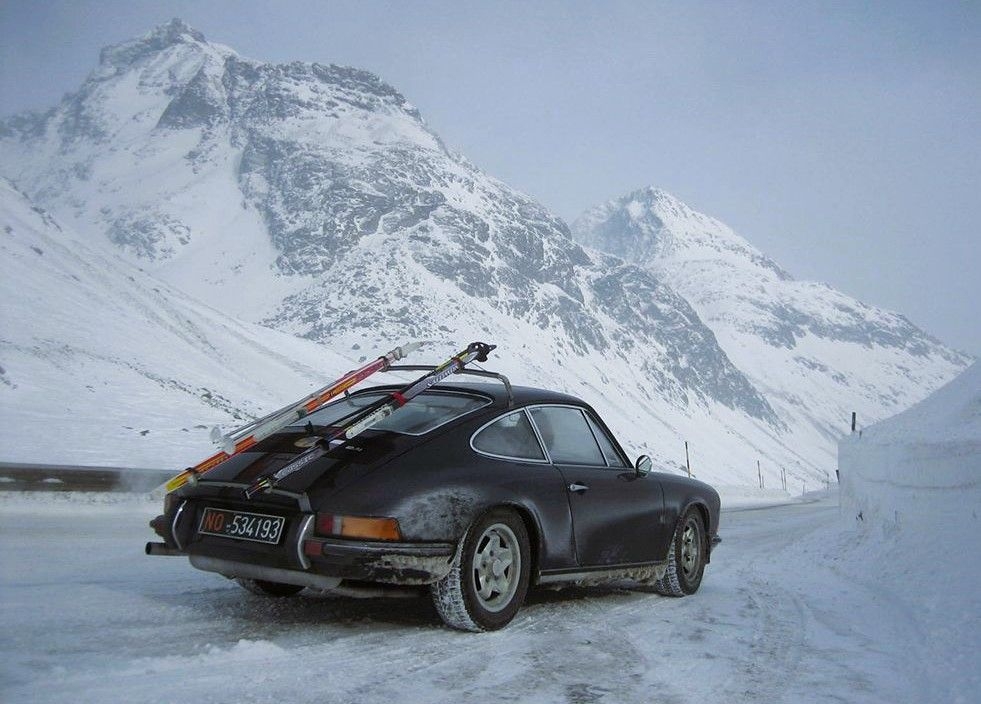
Suitable tyres, a healthy battery, good lighting and frost protection: discover 10 essential tips for driving safely in winter, whether your car is modern or classic.
23/03/2026
Harald
12 minutes read
Cold and damp are bad for your car's health, and for the safety of everyone on the road.
MECATECHNIC helps you go through the points to check so you can get your car ready and face winter with peace of mind!
To stay relaxed on the road all year round and drive a car in good condition that fires up first time, you mainly need to plan ahead and keep up with maintenance. But when the cold, wet season arrives in autumn, there are some important points to check on your car to make sure you get through winter safely.
MECATECHNIC guides you through these 10 essential checks, and also covers breakdown cover and protection.
First of all, always make sure you can count on your car's safety and mechanical components. Check that it is in good condition to drive and that you are properly insured.
Always keep a valid MOT-style roadworthiness test (the French contrôle technique), which certifies that the brakes, shock absorbers, lighting, seat belts and so on are working properly... (Of course, this applies all year round.)
Before the cold season, pay particular attention to:
● The condition of the tyres
● The wiper blades' condition
● The right viscosity of the oil (suited to cold starts)
● The level of the coolant and the brake fluid reservoir
● The air filters, for the engine as well as for the cabin (pollen filter).
● The lighting bulbs and whether they work properly.
These checks are fairly simple and do not call for a lot of mechanical experience. If necessary, have these essential points checked by your garage.
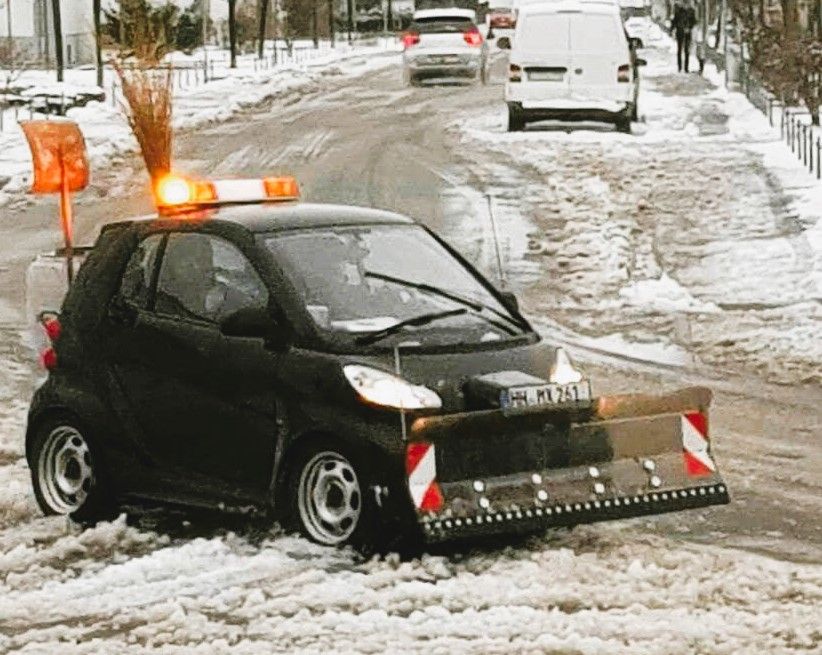
There is no need to wait for snow to fit your car with tyres you can rely on!
Check the condition of your tyres in particular. With rain and falling leaves, the road surface gets cold and quite slippery from autumn onwards. Fitting winter tyres, which give optimal grip in bad weather, can prove an excellent choice for your safety.
These tyres, known as thermal rubber tyres, are designed not to harden below 7°C; their siped tread structure gives much better grip on cold roads.
"4-season" tyres (Vivaldi or other brands) are an interesting alternative, especially in regions not directly affected by the "mountain law" (in force since 2021). In mountain communes designated by prefectoral order, from 1 November to 31 March you must have either winter tyres (marked 3PMSF since 1 November 2024; M+S alone is no longer enough), or chains or snow socks in the boot.
In these areas, it can be more effective to fit your car with snow tyres or winter tyres, which are even better, and to have a second set of 4 wheels fitted with standard tyres, better suited to good driving conditions. It is all a matter of weather and temperature rather than the date!
Depending on your region, or the regions you travel through regularly, choose all-season tyres, or two sets of wheels, summer / winter.
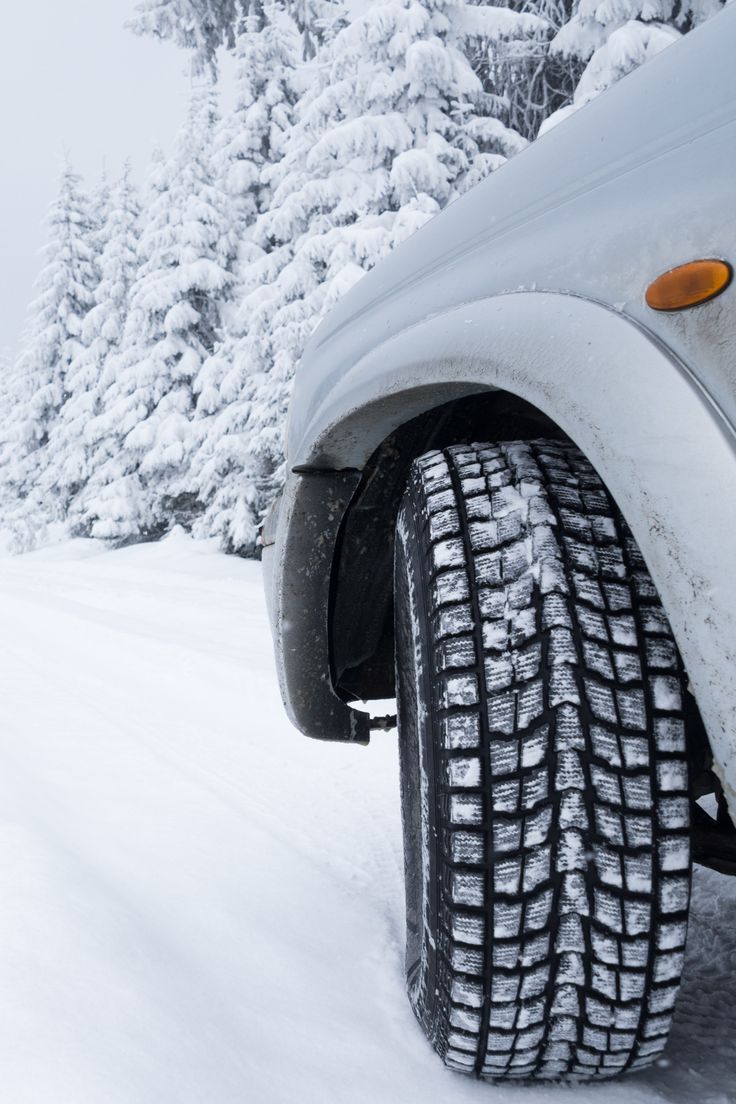
One of the most important points in winter is lighting, because seeing well and being seen is essential on the road.
In winter there is less daylight, so most commutes are made in semi-darkness or in the dark.
It is therefore obvious that you should check the condition of your headlight bulbs, tail lights and indicators, to signal your presence and changes of direction to other road users.
Why not take the opportunity to fit your car with better-performing lighting?
New lighting technologies let you see better at night; MECATECHNIC offers a whole range of bulbs, H4, H7, H1 etc. halogen and LED, to transform your night-time driving experience.
Be prepared and always keep a box of spare bulbs in your car: it is not compulsory in France, but driving with a blown bulb is penalised and a spare can get you out of trouble!
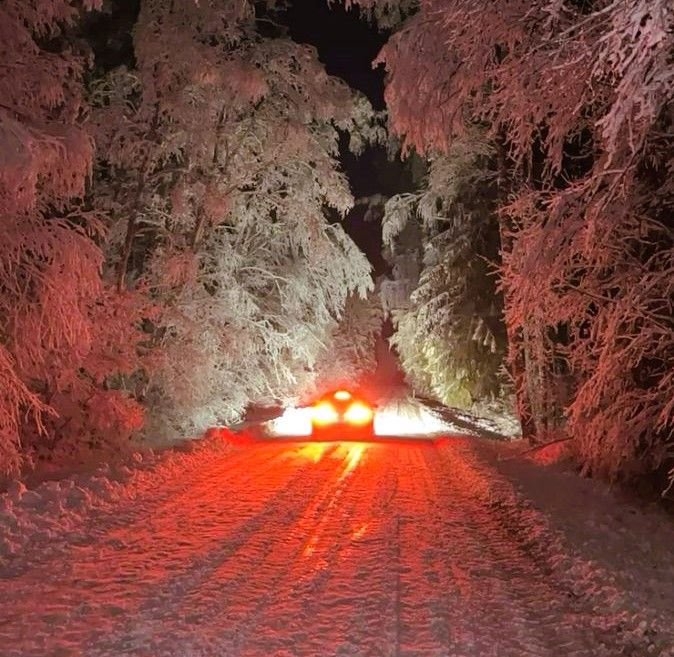
In winter you get a lot of water spray and sometimes even mud on the windscreen. It is important to be able to count on your wipers and screen wash to clean it and keep good visibility.
To keep a watchful eye on the road, your front and rear wipers must work properly, and the blades must be in good condition to wipe effectively.
The rubber of wiper blades is sensitive to frost, so make sure you de-ice your windscreen before switching them on, or you risk damaging them for good.
Check your screen wash level regularly and gradually switch to a winter version (one that does not freeze) better suited to mud than to insects.
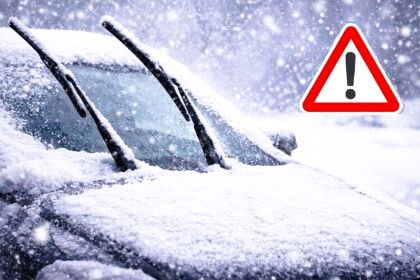
Preparing for the cold season also means checking the heating and de-icing system, which handles demisting.
For safety it is very important to de-ice and demist your windows before setting off to get good visibility. A heated car also lets you drive comfortably, without your movements being hampered by several layers of clothing.
The interior heating is very often linked to the engine's cooling circuit. Water heated by the engine flows through one or more heater matrices inside the cabin. To work well, you therefore need a circuit with no coolant leaks and well-sealed ventilation.
Condensation on the inside of a windscreen is a real nuisance in damp or cold weather. Have something to wipe it with if it proves stubborn (a cloth or microfibre). On cars fitted with air conditioning, it is also a good idea to run it; the A/C dries the air.
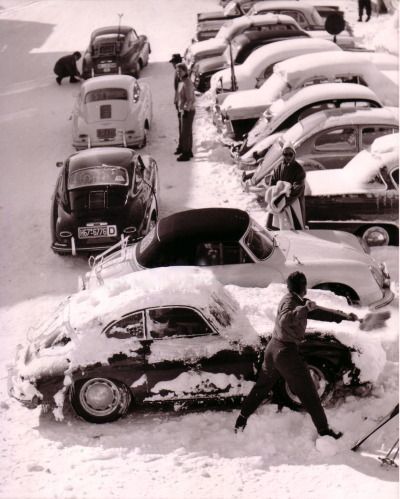
Make sure you leave in your car something to clear snow and/or scrape your windows (not forgetting the mirrors) and windscreen in bad weather.
To remove snow, you can use a small household shovel and a shower squeegee, a scraper of sorts. Give it a try, it works very well! Choose a shovel with a rubber blade: if it touches the bodywork, you will avoid scratches. Do not just clear the windows; also clear the snow from the bonnet, roof and boot. That way you will not fling snow onto your own windscreen, or that of the cars behind you, as you drive.
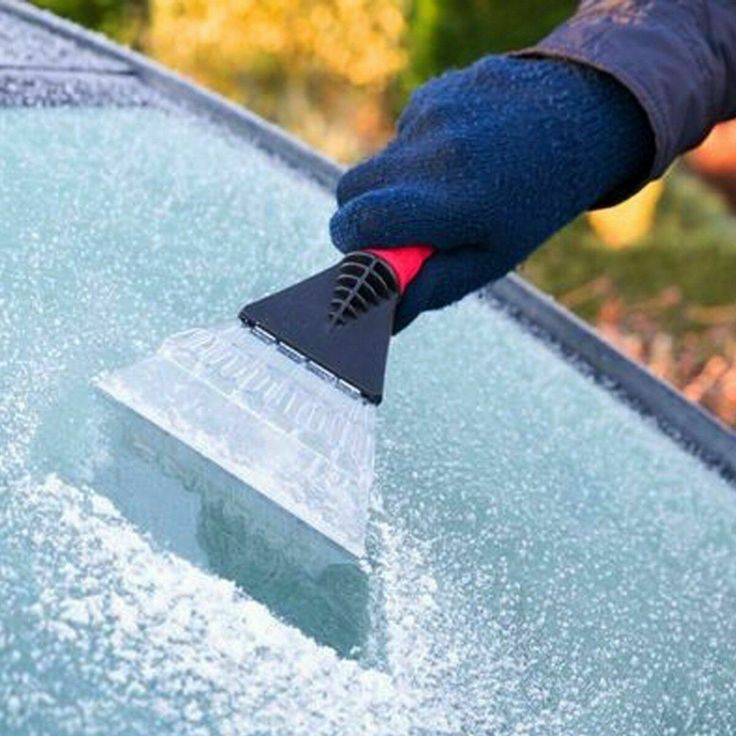
An ice scraper and a de-icer spray will be very handy if ice sticks to your windows. They take up no space and can prove very useful.
While you work around your car, let the engine idle, without running the wipers; the car also needs time to adjust and warm up!
What is more infuriating than a car that will not start, especially when you have to go to work and take the children to school in the cold?
Of course, a car battery does not last for ever and needs looking after like everything else.
Over the years, and with the charge cycles carried out by your car's alternator, the battery gradually loses power.
And when the cold, damp and darkness of winter arrive, the battery is put under far more strain than usual. The wipers, headlights, heating and ventilation draw a lot of power, and often all at the same time.
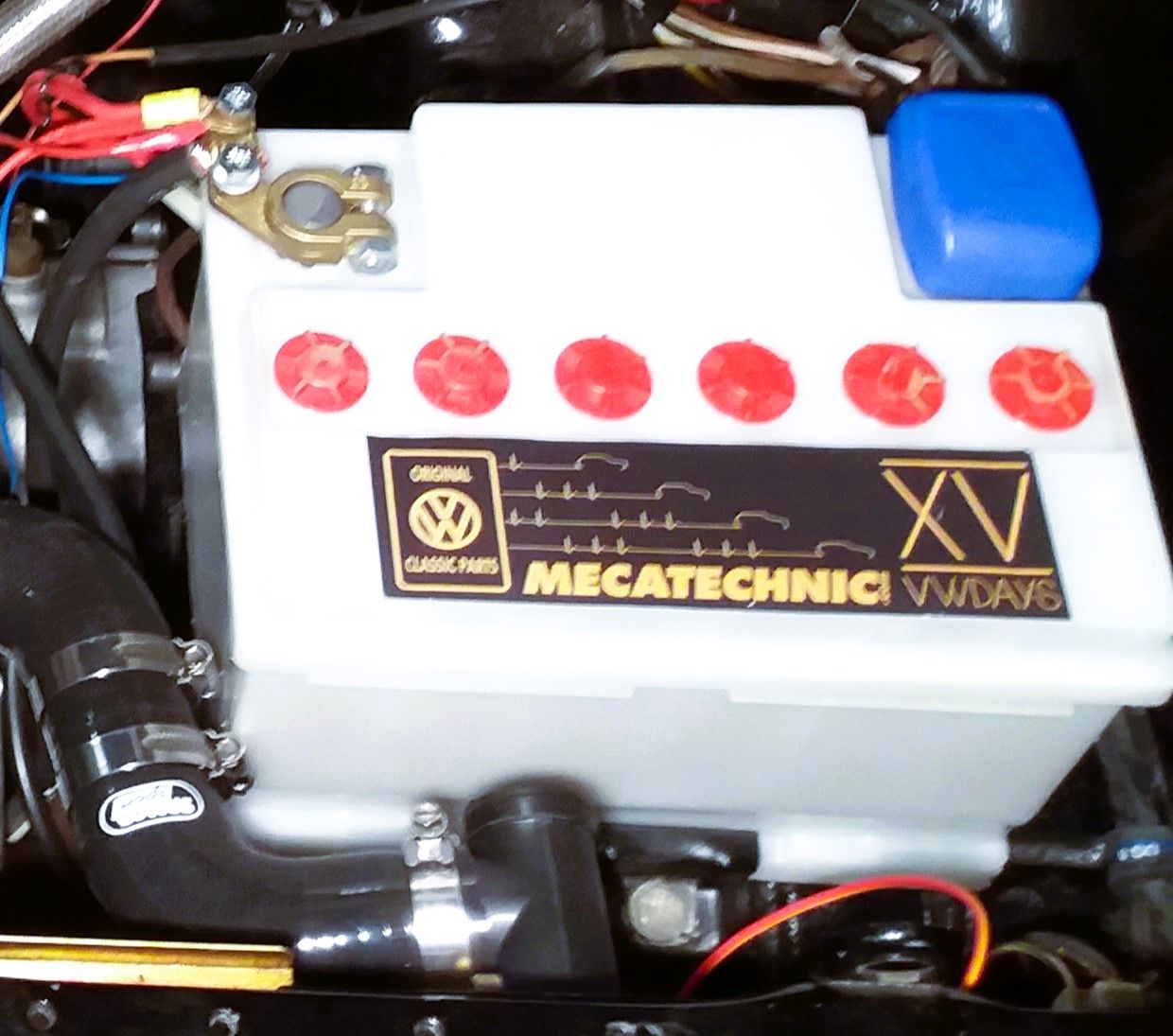
As a result, as soon as the cold season arrives, if you feel your battery is tired, it will almost certainly let you down. Better safe than sorry!
Even though batteries are now described as "maintenance-free", it is always a good idea to regularly revive their capacity with a trickle charger, which will extend the life of your battery. A trickle charger, also called a battery maintainer, keeps your battery at its optimum performance level (around 13v) around the clock (7/7, 24/24), safely.
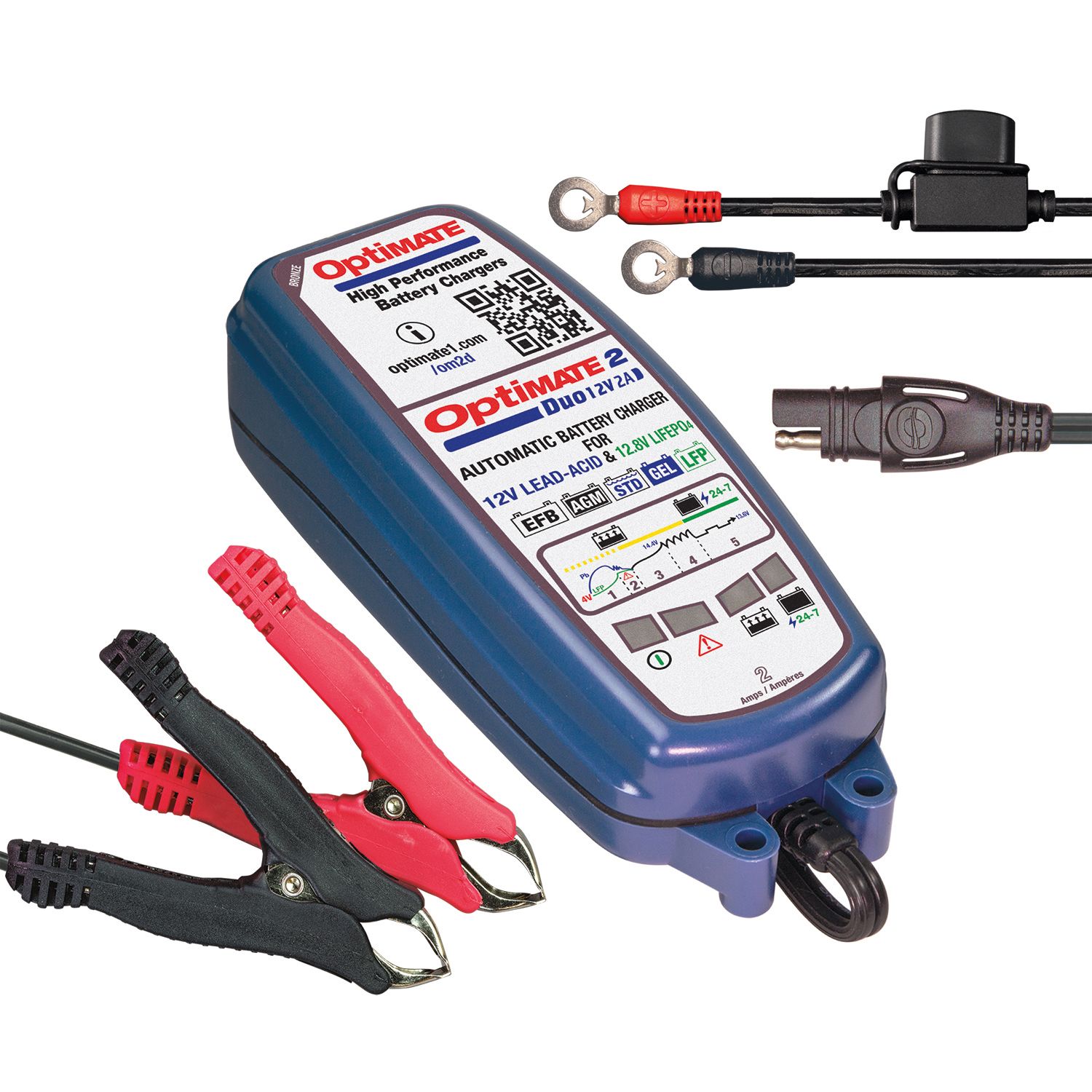
Ambient damp is a car's enemy number 1, because it causes corrosion in the sensitive points of the bodywork. Regularly rinse off the mud and salt that may stick to the wheels, wheel arches and sills.
Clean the bodywork thoroughly and protect it with a polish several times during the cold season, so that your car's paint and any chrome are preserved and ready to sparkle again when the sun returns.
Rather than a piece of cardboard, use a protective cover shaped to fit your windscreen, which is held in place on each side by closing the doors. Once folded, it will take up no space in your boot.
If you can, use a full car cover; they come in all sorts, including so-called breathable covers (waterproof but letting air through) and even padded covers known as hail covers.

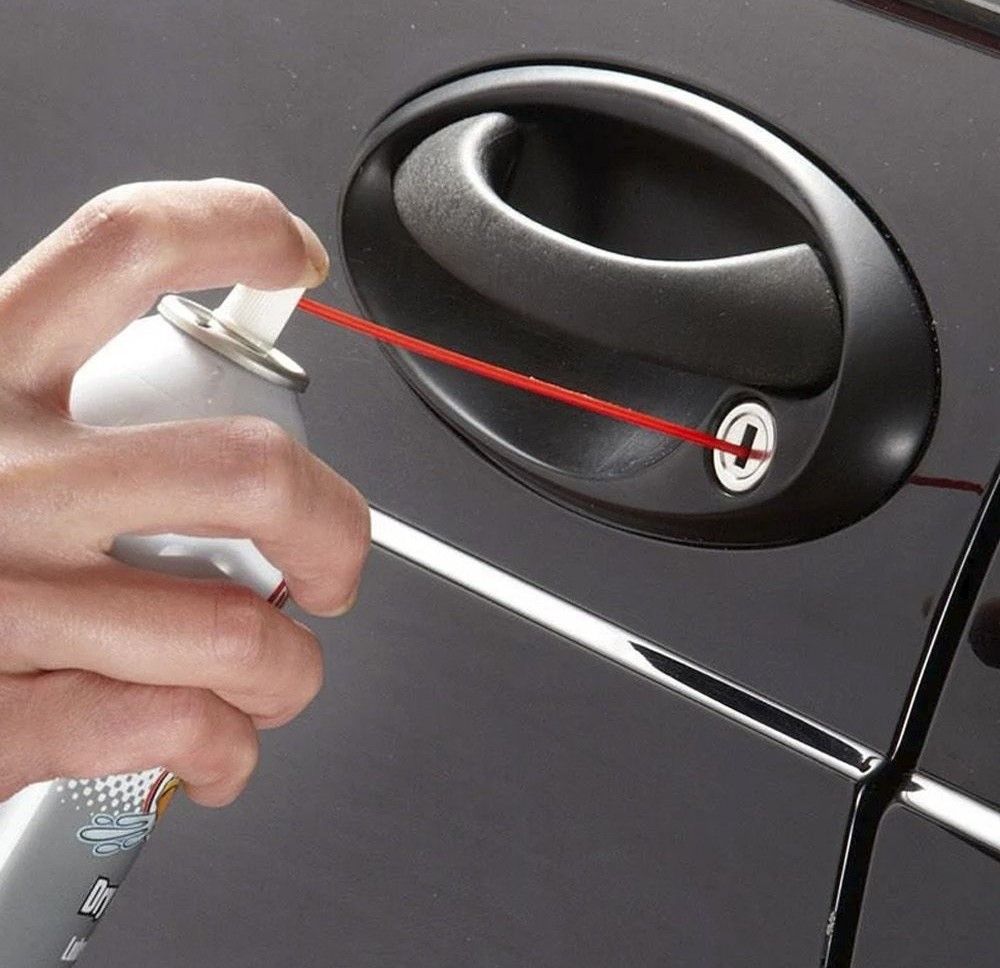
Among the delicate parts that suffer from the cold, a vehicle's locks tend to take in moisture, freeze and seize up.
With the spread of remote central locking, owners hardly ever operate the lock mechanisms any more, unlocking their cars with the remote.
For those who still use their key, it is not unusual in mid-winter to find the locks frozen and to be unable to open the car.
Here again, you can get ahead of seized locks and hinges by spraying a lubricant such as WD40 inside the locks.
Take the opportunity to spray your door hinges at the pivot points.
It is not only the doors and openings that can seize up with frost: your brakes too!
If frost is forecast and you are parked on the flat, avoid pulling the handbrake (harder to do if your car has an electric parking brake).
Instead, engage a low gear to hold your car; first or reverse. Prolonged use of the handbrake can make the shoes stick to the drums, or the pistons or pads of the calipers seize.
If the car will be parked for a long time on a slope, put two chocks under the wheels to relieve the gearbox; only engage the gear once the chocks are in place.
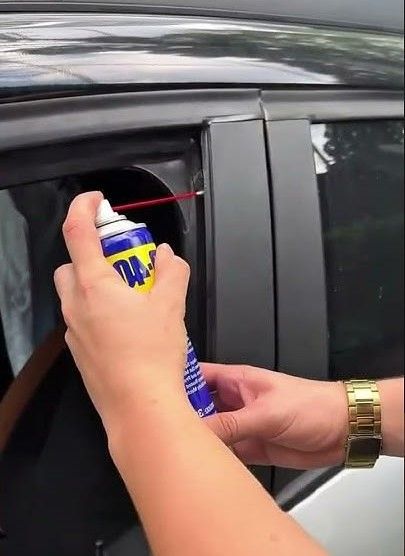
The rubber that makes up the seals of a vehicle's windows and openings is sensitive to frost. When the weather is very damp and temperatures are below zero, the seals can stick to the metal of the bodywork.
When you open a door or the boot, the weatherseal tends to stretch, deform, or even tear off if it is old and has been bonded to the bodywork by the cold.
To avoid this, specific lubricant products protect your seals and plastics, and their non-stick action keeps them supple.
Unfortunately, this last point can arise at any time on your journeys.
While a simple puncture can usually be sorted out on the spot, a more serious breakdown or an accident can leave you completely stranded.
So it is advisable to have good insurance that will cover recovery, accommodation, and transport for passengers with their luggage if needed.
Be careful: some "basic" policies (as opposed to "comprehensive") do not cover breakdowns on expressways, ring roads and motorways; read yours again or call your insurer so you do not find out the hard way at the wrong moment.
Make sure of your own safety and that of others if you are stopped at the roadside.
Always keep in your car what you need to treat injuries, signal and protect yourself effectively. In addition to the compulsory warning triangle (not on motorways) and the yellow vest, there are now small distress lamps with magnets to place on the roof of the car, which signal your presence up to 1.6 km away.

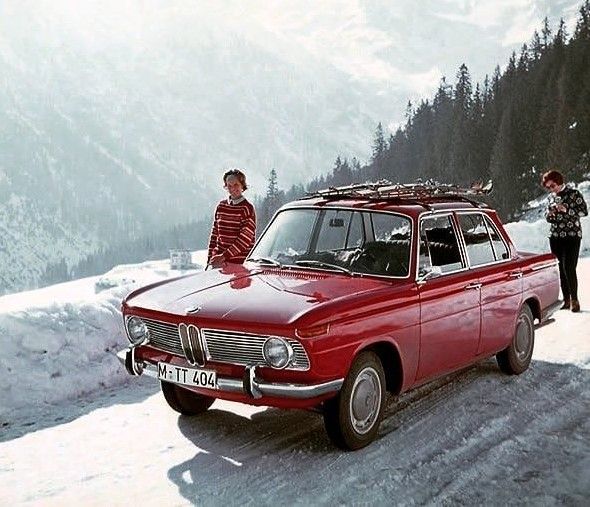
Alongside your modern car, you may own a classic, or a so-called "youngtimer" (a young classic). Even if you do not drive your "old girl" every day, the 10 tips above are just as valid, if not more so.
Always keep in mind that to keep a car in good condition, you have to drive it regularly.
So take advantage of a Sunday meet, or a mild spell during the week, to get the mechanics turning, while enjoying yourself behind the wheel during the cold season.
Giving the con-rods a stretch will help it through the winter better, and your car will be in top form to make the most of the fine weather ahead!

Harald
Le partage de la Passion, simplement.
Subscribe to our MECATECHNIC newsletter