Your vehicle
No vehicle selected
Identify yours to refine your search results
No vehicle selected

Built by Volkswagen do Brasil until 1975, the Brazilian Split Camper divides enthusiasts. Technical differences, 15-window versions and rarity: is it a real alternative to the German Split?
23/03/2026
Harald
7 minutes read
Volkswagen
Production of the Split Camper began in Germany in 1950. Its silhouette and above all its V-shaped front end are recognisable among all others. This small, economical, robust and modular van was going to conquer the world, which in turn was going to put its own spin on it.
Its big sister, the VW Beetle, had paved the way to success and quickly led Volkswagen to set up sales outlets all over the world, but not only that. Factories soon sprang up on every continent, replicas of those in Wolfsburg and Hanover, jewels of German industry.
In 1967, at the dawn of the European Split's retirement, the Volkswagen network, or rather empire, was present in 136 countries, with 8,000 sales outlets and the many factories needed to ensure availability and after-sales service there. Success has its recipes!
Brazil quickly became the second production country for the Beetle and the Camper.
Between 1950 and 1953, the Camper was cautiously imported there: 936 units. In 1953, Volkswagen do Brasil SA was born, but the real adventure would only truly begin with the opening of the Sao Bernardo do Campo plant, near Sao Paulo, in 1959.
It is not the Chinese who copied them and built them behind Volkswagen's back... it was according to VW's precise criteria, in its factories, that these Campers were assembled and evolved somewhat between 1968 and 1975, in the shadow of the second version of the Camper, the Bay Window.
The Brazilian Split is a bit like the 1302 and 1303: it sports a slightly different look; yet these Beetle models are Beetles all the same. They were less loved, less sought after than the earlier models and because they are cheaper, they are coming back into the spotlight and deserve to be better known; the Brazilian Split in Europe is the same.
Around 2015, the Deluxe or SAMBA version of the Split Camper enjoyed an extraordinary craze in the USA. An upswing that quickly spread to Europe, where prices of the 21 and 23-window models took off in their turn. Justified or not, it made the value of the other Split versions soar and pushed some people to have "Brazilian Deluxes" restored before importing them to our continent.
From there to passing a Brazilian off as a German, it was only a step... of samba.
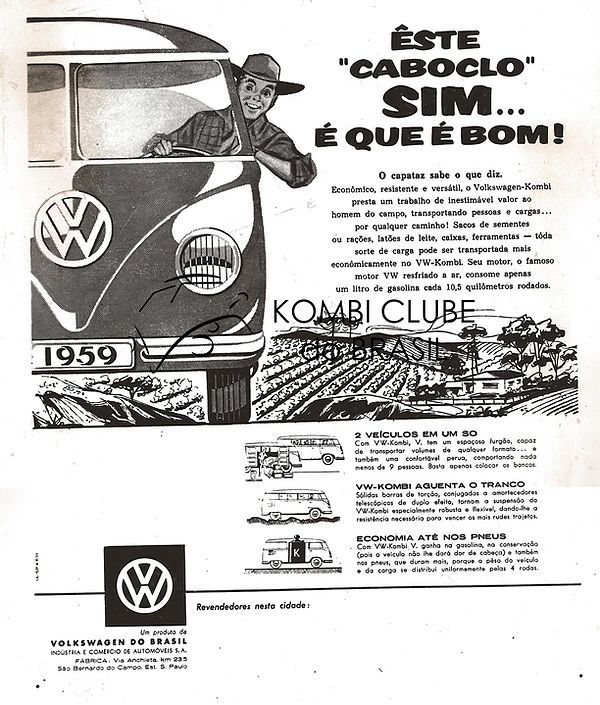
But let us go back a little to the story of the origins of the Brazilian Split, mentioned a bit earlier.
When VW do Brazil opened its factory near Sao Paulo, the agreements with the authorities specified that the Transporter would be assembled 50/50: 50% imported German parts and 50% parts made in Brazil. Quickly, and for reasons of cost and optimisation in the face of demand, this proportion shifted to 95/5, in Brazil's favour. Incidentally (no free gifts), it makes it easier to understand the profusion of "made in Brazil" parts on the spare-parts market for our VWs.
Brazilian Split Campers were therefore assembled (the vast majority of them) with parts from the industry of the land of carnival. Does that make them fake or mediocre Splits? No, since German standards were draconian and VW could not have afforded to compromise on the quality of vehicles sold in its dealerships, even abroad.
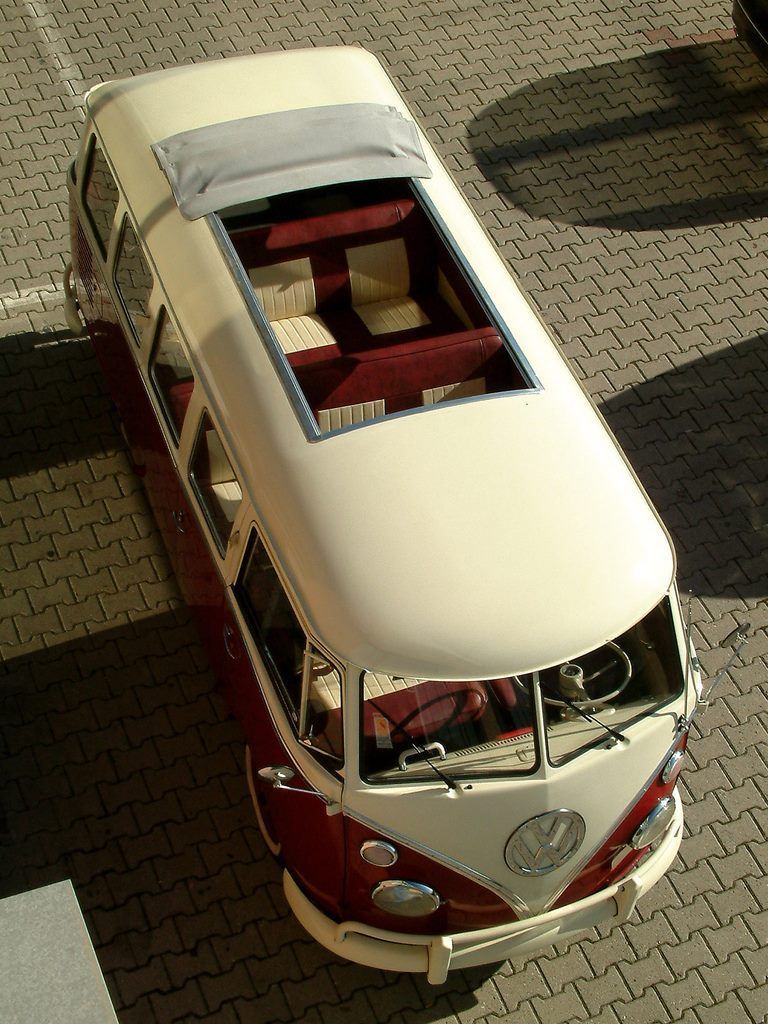
Technical specifics and aesthetic differences.
From its debut to its end in 1975, the Brazilian Split stayed fitted with a rear axle with trumpets and reduction boxes; it did not switch to driveshafts between 1968 and 1975 like the German Bay. It keeps wheels with an old-fashioned look, with a 5 x 205 bolt pattern, and stays fitted with front drum brakes. Trumpets and drums being the basis of a good samba, the Brazilian Split is completely "on theme", as Cristina would say.
In terms of style, the big VW logo at the front is stamped into the front panel; the pick-ups also have a logo of the same type on their rear tailgate.
The general bodywork seems to have stayed frozen in 1963; the doors have high hinges like the first Campers, and the handles are pre-1960, of the pull type.
The real difference is found on glazed versions such as the 15-window, which, like the German 13-window, is the most common Split. The Brazilian 15s are visually comparable to the European 23-windows; they keep the curved rear corner windows, but do not have the small oval roof windows along the roof and have no folding panoramic canvas roof. That is why many Brazilian 15-window Splits have been "operated on" to be pimped into (fake) 23-windows, with panoramic roof and Deluxe fittings. Brazil is known to be the country of cosmetic surgery. It is just a matter of comparison; as long as there is no confusion of genres, all is well. Some people (like my dentist) mix the two up, wrongly.
There were other versions exclusive to Brazil, such as the 6-door Camper, created for carrying people. Alongside the Campers and Beetles, VW do Brazil had its own productions: have you ever seen or heard of the VW SP2, Puma GT, Variante, Brasilia...? Just like the Campers, several of these local products regularly leave Brazil, restored or not, imported by savvy collectors or by companies that have sniffed out a business opportunity. Some of these pros are very professional and it is better to go through them if the paperwork and the hassle of importing are not in your scope.
If you want to acquire a vehicle from South America, do your research on Google and take the time to sort through the offers, or you could end up with a cassoulet without the sausage.
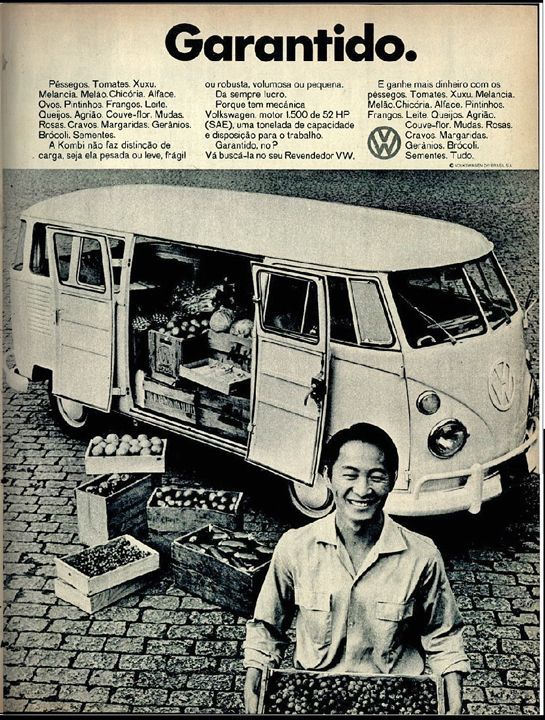
It is generally agreed that the German version of the Split is overpriced compared with the one made in Brazil, but in reality, might it not be the other way round?
Brazilian Split Campers might soon get their revenge because, contrary to what you might think, they are far rarer than German Campers: a little over 900,000 Split Campers were built in Brazil until 1975, before the arrival of the Brazilian Bay Window. Add to that their specifics and you will understand the whole appeal of owning a Brazilian 15-window.
In a world dreamed up by every collector, the ideal would be to have both versions: the German and the Brazilian; it would let you change Split every day...

Harald
Le partage de la Passion, simplement.
Previous article
The Peugeot 205 GTI, the ultimate YOUNGTIMER
Next article
10 tips for driving safely in winter
Similar articles
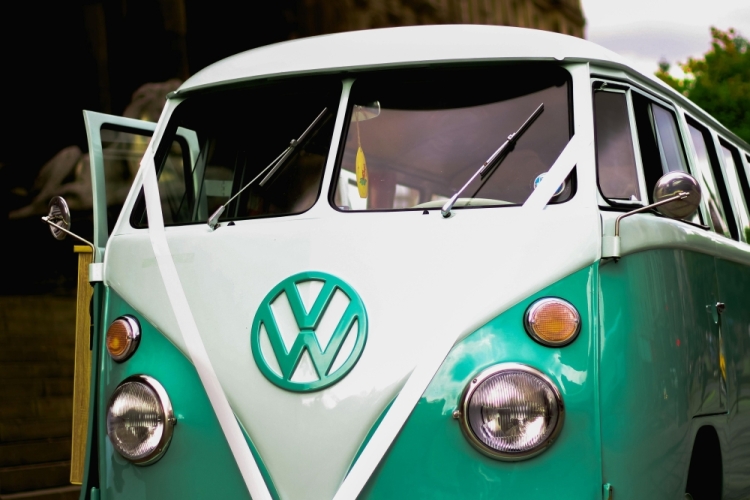
The Volkswagen Split-Screen Camper: the Swiss Army knife of the 50s and 60s
An absolute icon of the 50s and 60s, the Volkswagen Split-Screen Camper made motoring history. Born from a simple but brilliant idea, this versatile van became in turn a commercial vehicle, camper van, minibus and symbol of freedom. A look back at the origins and many versions of this legendary Volkswagen "Swiss Army knife".
Read the article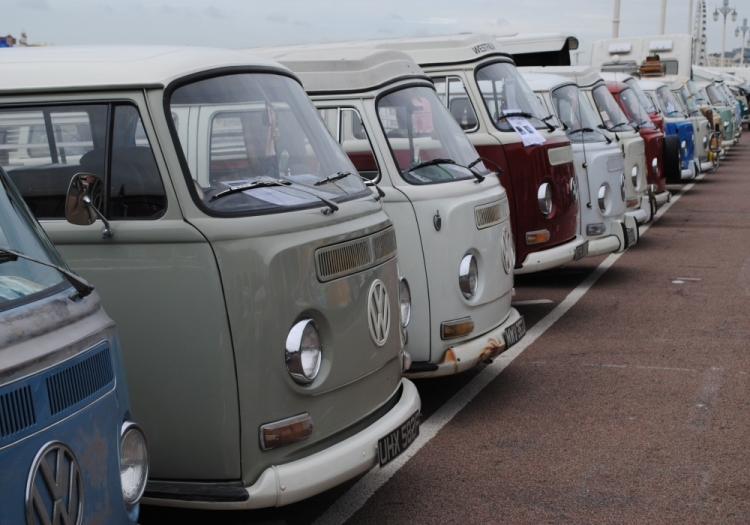
Volkswagen Bay Window Camper: the legendary van of the hippie years
An icon of freedom and Van Life, the Bay Window Camper replaced the Split in 1967 with its panoramic windscreen and rounded look. Panel van, bus, pick-up or motorhome, it conquered the roads of the whole world until it became a rolling legend, with toughness, versatility and a hippie spirit.
Read the article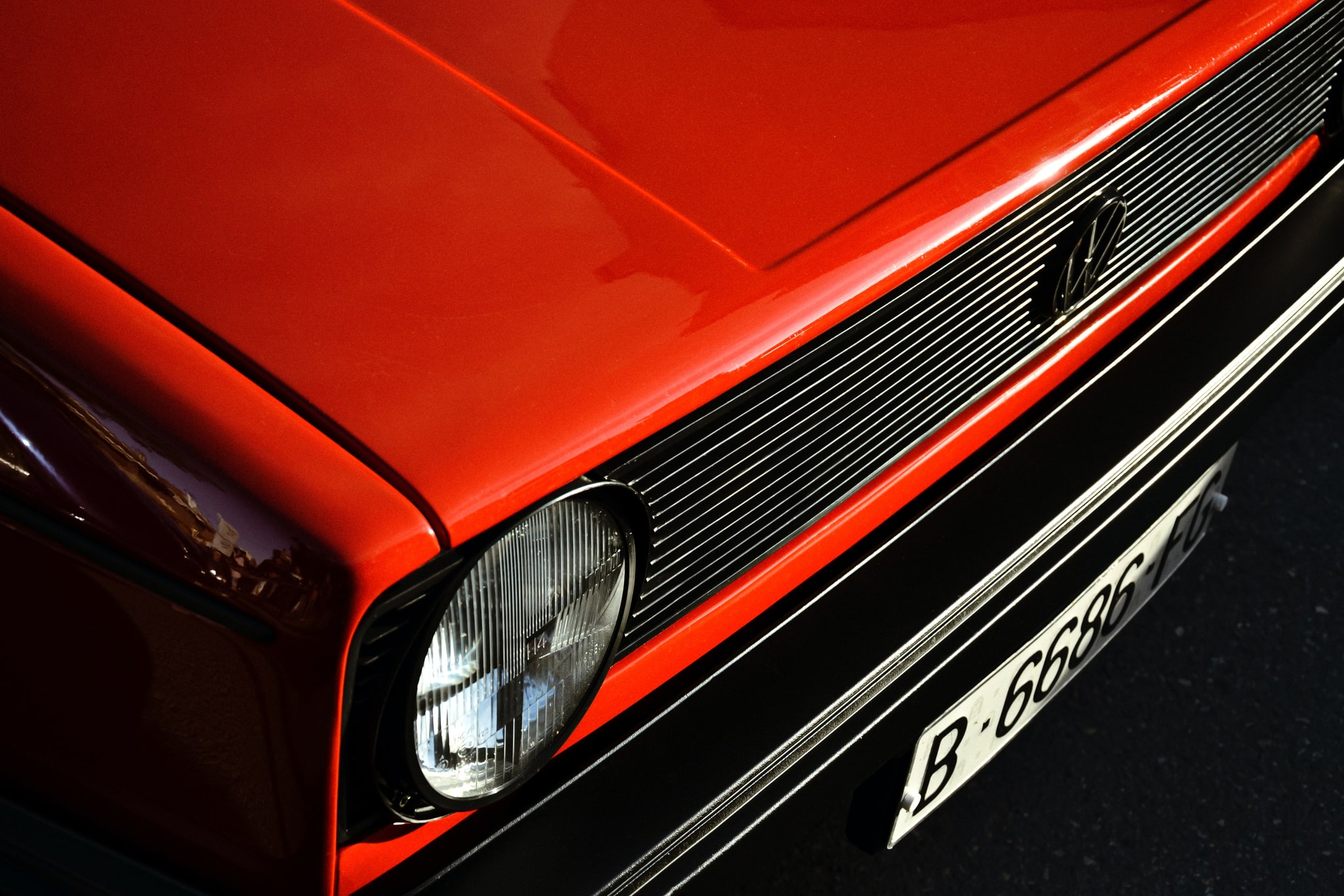
Subscribe to our MECATECHNIC newsletter