Your vehicle
No vehicle selected
Identify yours to refine your search results
No vehicle selected
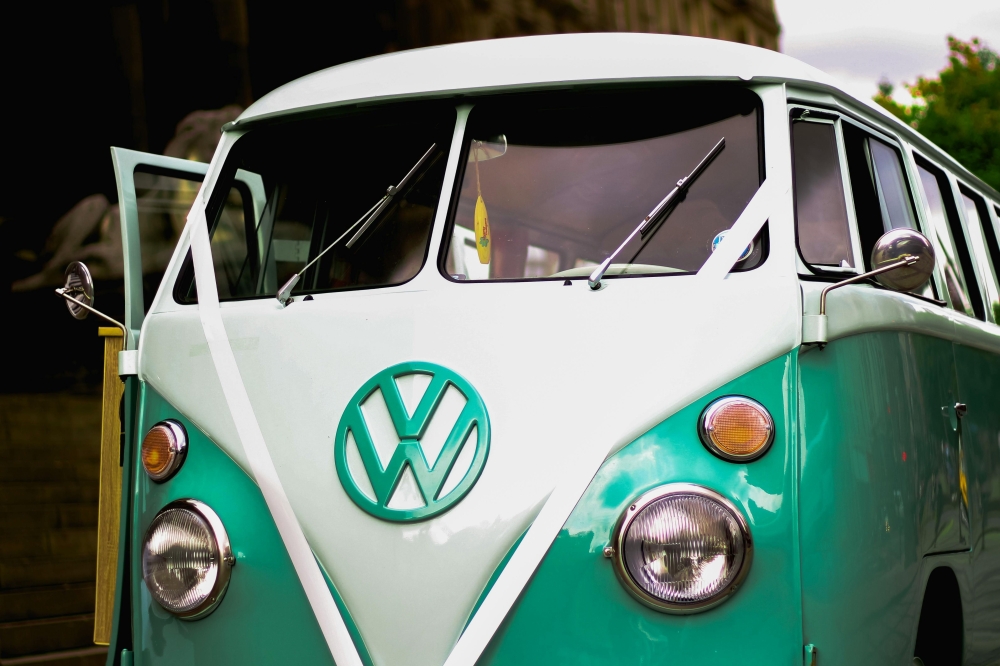
An absolute icon of the 50s and 60s, the Volkswagen Split-Screen Camper made motoring history. Born from a simple but brilliant idea, this versatile van became in turn a commercial vehicle, camper van, minibus and symbol of freedom. A look back at the origins and many versions of this legendary Volkswagen "Swiss Army knife".
06/03/2026
Harald
8 minutes read
Volkswagen
Its silhouette and especially its V-shaped front are recognisable among all others: it's the Split!
The first of a long line of VW vans gets its name from its windscreen with a clearly marked divide (a split screen). Built since 1950, it holds the production longevity record in Europe.
In the early 50s, VW was riding high with the Beetle, certainly thanks to the breath of the cooling fan of its rear engine. Born from an idea sketched in a notebook in 1947 … a small economical van, the Bulli (its German nickname) was soon to conquer the world.
Without exaggerating much, the Split-Screen Camper is a big Beetle fitted with reduction gears to let it carry weight with agility. A revolutionary, tireless, efficient and versatile vehicle.
Useful for everything and everyone, this little truck would enjoy a success story without equal in the world of commercial vehicles and beyond, since it would be offered in every guise, much to our delight.
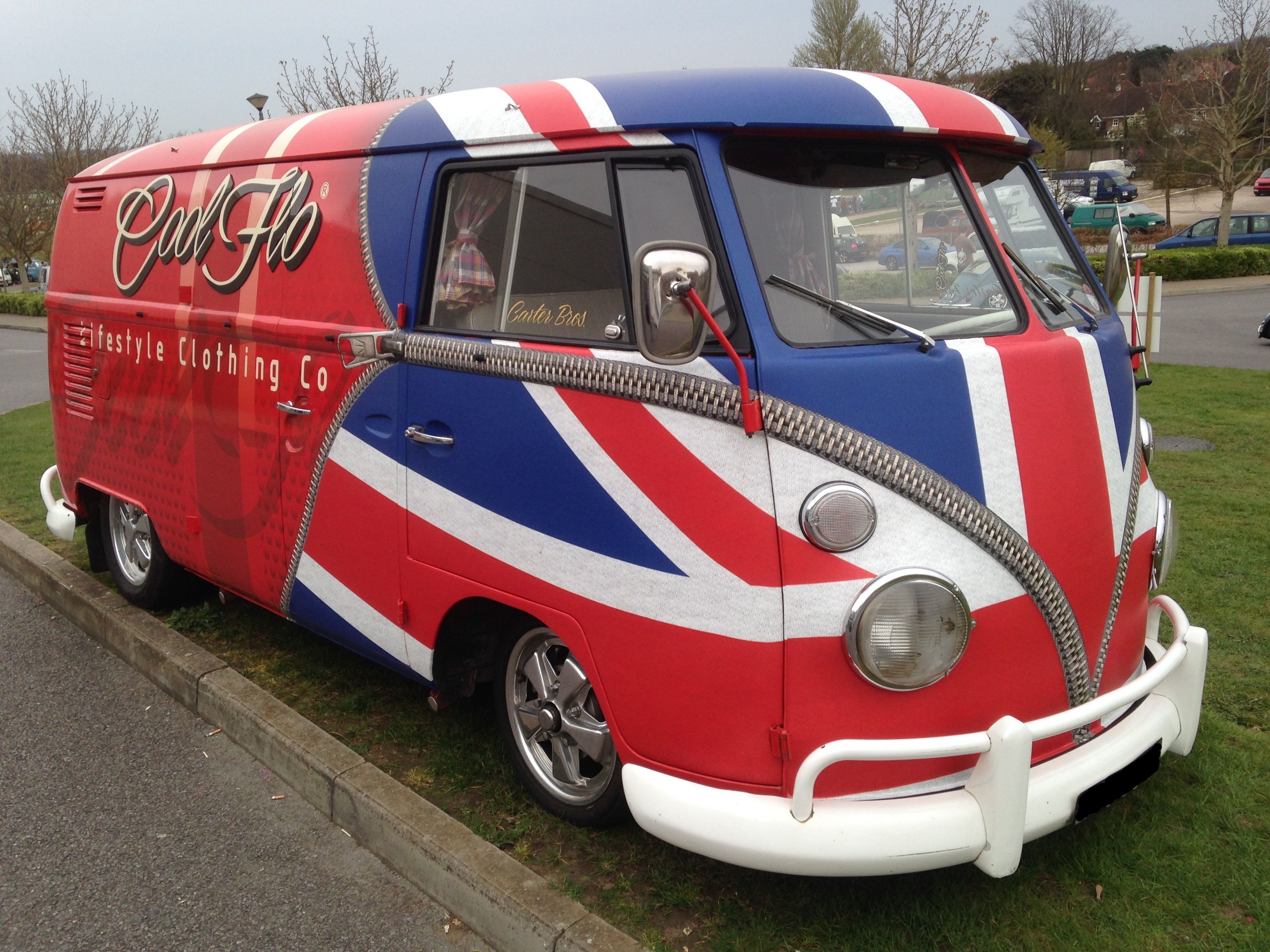
You can do anything with the Camper; it is to the car what aspirin is to medicine.
With its glazed versions (from 11 to 23 windows), you could say that VW invented the people carrier. The Wolfsburg firm popularised the minibus, the van, the big building-site wheelbarrow, the camper van etc: it is the German Swiss Army knife, in a way.
The Camper is modular: in the morning you carry 8 people and in the afternoon, once the seats are taken out (a few wing nuts to undo), you get a nice flat platform for loading heavy boxes to deliver.
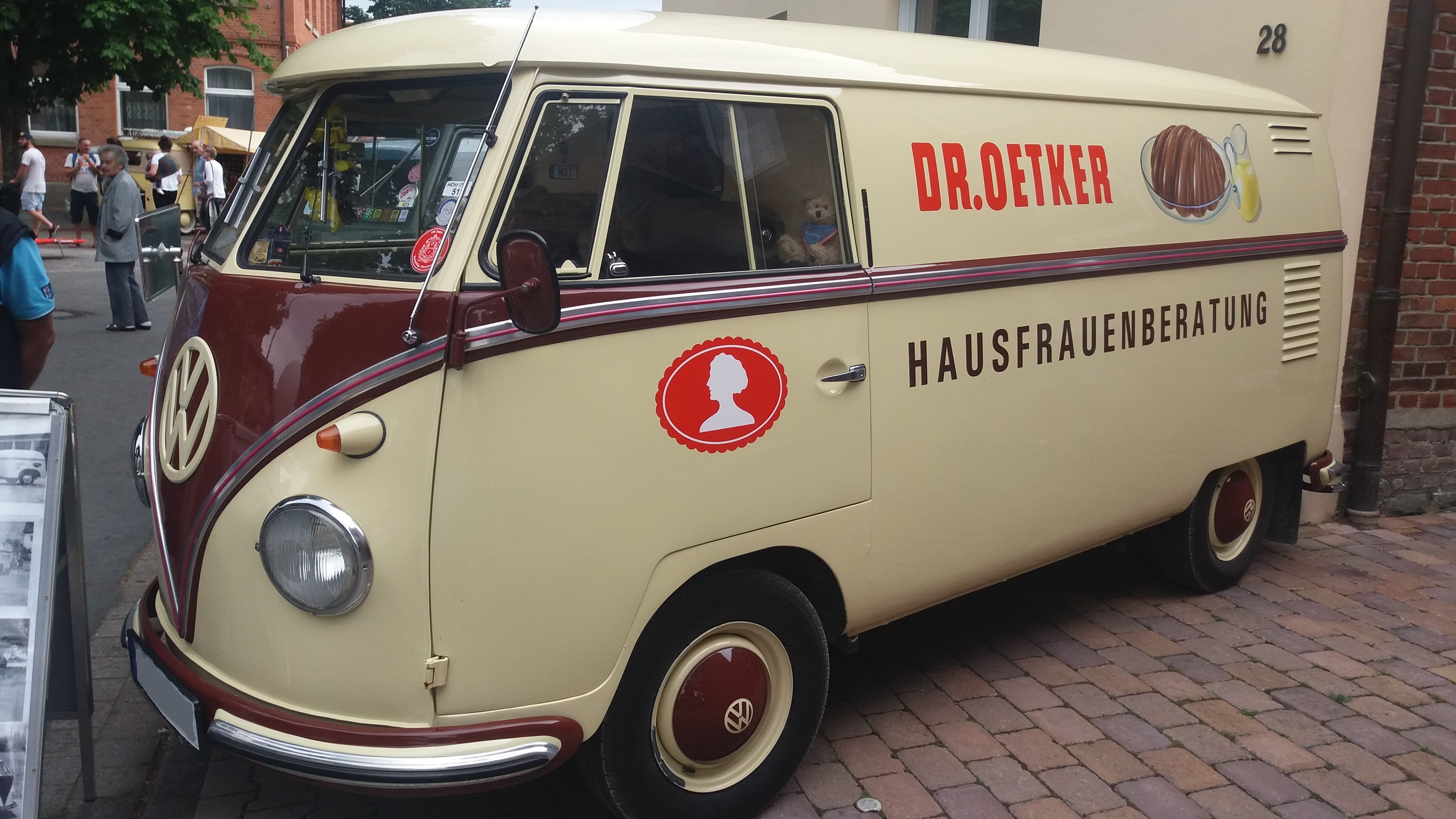
Professionals and tradesmen revel in its qualities and have it carry their colours, their logos, their slogans. The Split very quickly became a fantastic advertising vehicle for every brand.
Volkswagen's slogan could have been "We invented a new type of vehicle, now you invent the life that goes with it!".
The Split became the icon of the hippies and was identified with Flower Power in the 70s. It was robust, cheap and easy to find after the release of the Bay Window Camper, and handy for taking mates around the world.
All it took was a guitar, a lighter and knowing how to drive... a bit late, as lighting wasn't its strong point. Once the flower power (and the mushrooms too) and the dreams had gone… our Bulli quickly returned to service with the many fans of a growing VW movement across the world.
It then became a collector's item of (too?) great value. A Split-Screen Camper is now worth 2 (to 3) times more than a Split-Window Beetle in equivalent condition.
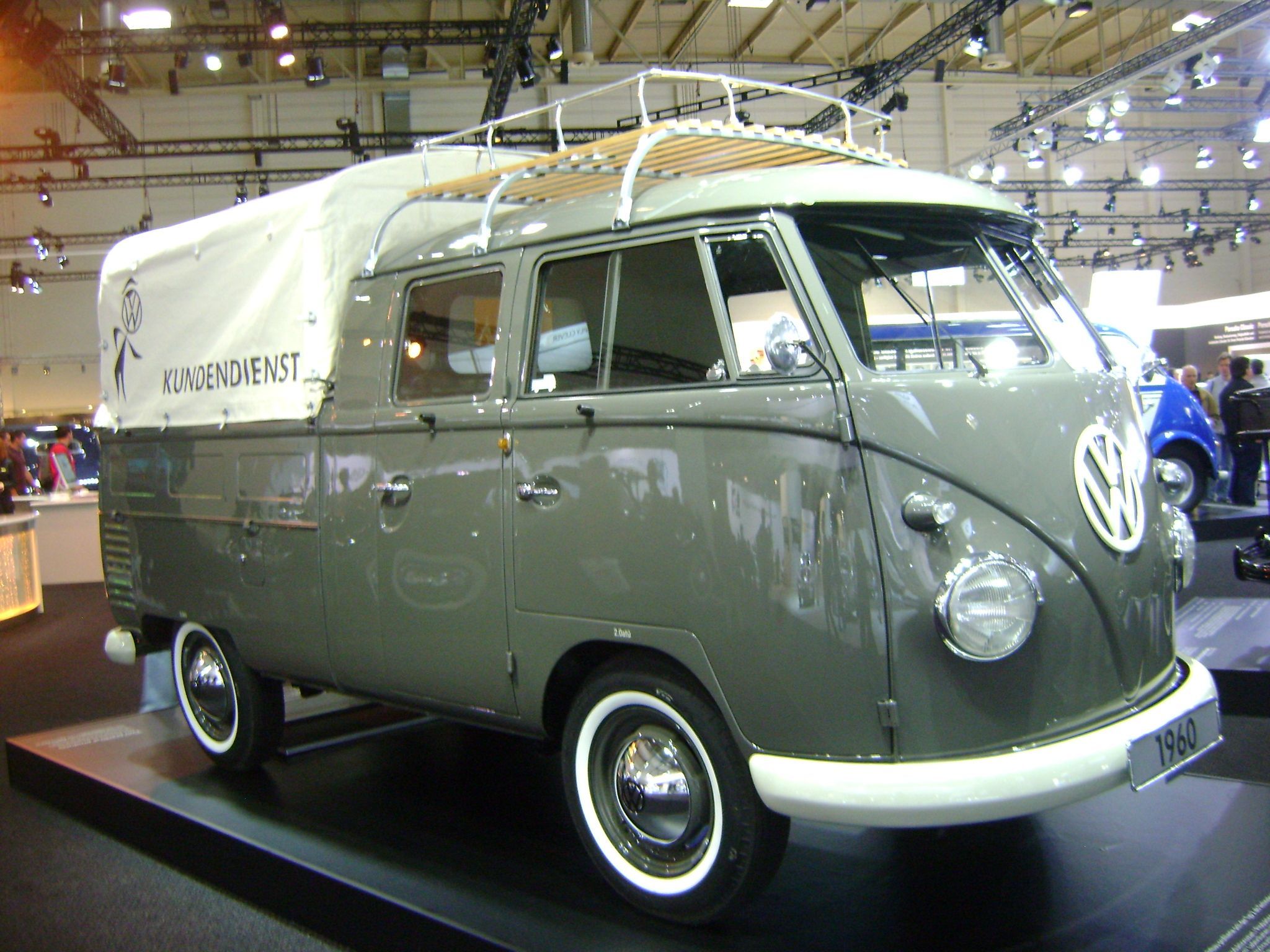
We owe the Camper to the Dutch VW importer Ben PON and to the ingenious employees of the Wolfsburg factory. For lack of forklifts, they had built, at the request of the boss of the time, the British Major HIRST, a 4-wheeled motorised cart for moving parts from one workshop to another. You take a table, graft on a tubular chassis and parts from the Kübelwagen and the Beetle: 4 wheels, an engine and a gearbox, running gear, a bench seat and a steering wheel and you get a "plattenwagen" or platform car, a sort of inverted pick-up with the steering wheel at the back.
In 1947, our friend Ben, visiting Wolfsburg, immediately wanted to import them. Unfortunately, to be allowed on the road, these platform carriers had to have the driving position at the front. A stroke of genius came to him to get round the problem: using the Beetle's components, place the driving position at the front of this flat car and put the driver, passenger and transported goods under cover, beneath a body. An idea he put down, in the form of a now-famous "child's drawing", in his notebook: a voluminous transport platform between 2 axles. The foundations of the Camper were laid, a legend would be born from this idea 2 years later, a great big myth even, or "Gromit", as Wallace would say…
Presented in 1949, it resembles the version in Ben PON's drawing; production began in 1950. Its qualities immediately won everyone over; unrivalled road holding resulting from a perfect balance between front and rear (driver and passengers / engine and gearbox), a large volume and a low side loading sill, unheard of at the time. The Kombi weighs 875kg in running order and can carry 850 kg including 3 passengers, travel at 75 km/h while using only 9 litres per hundred kilometres.
Its small but plucky 25hp air-cooled engine, proven on the Beetle, fears neither heat nor cold. This Transporter enjoys very good traction on the rear wheels, backed up by reduction gears (derived from those of the Kübelwagen) that let it climb gradients of 22%.
How many versions? Too many to count! As many as anyone could have needed, the Split-Screen Camper, originally created as a panel van, was quickly offered in every guise: delivery van for tradesmen and also minibus to carry 8 people, special bodies for the many public services (fire brigade, ambulances, police, army, Post Office …), airport taxi, VIP shuttles (23 windows) for luxury hotels and rich large families, mobile advertising, hearses etc.
You can spot the different types of Split-Screen Camper by the start of their serial number; here are the main ones:
Type 1 at VW is the Beetle; the Camper being the second Volkswagen vehicle built, it ends up called Type 2. And … the Split-Screen Camper, which is the first type of the type 2s, ends up named Type 1, of the Transporter group. Type 1, that's just its first name … are you following?
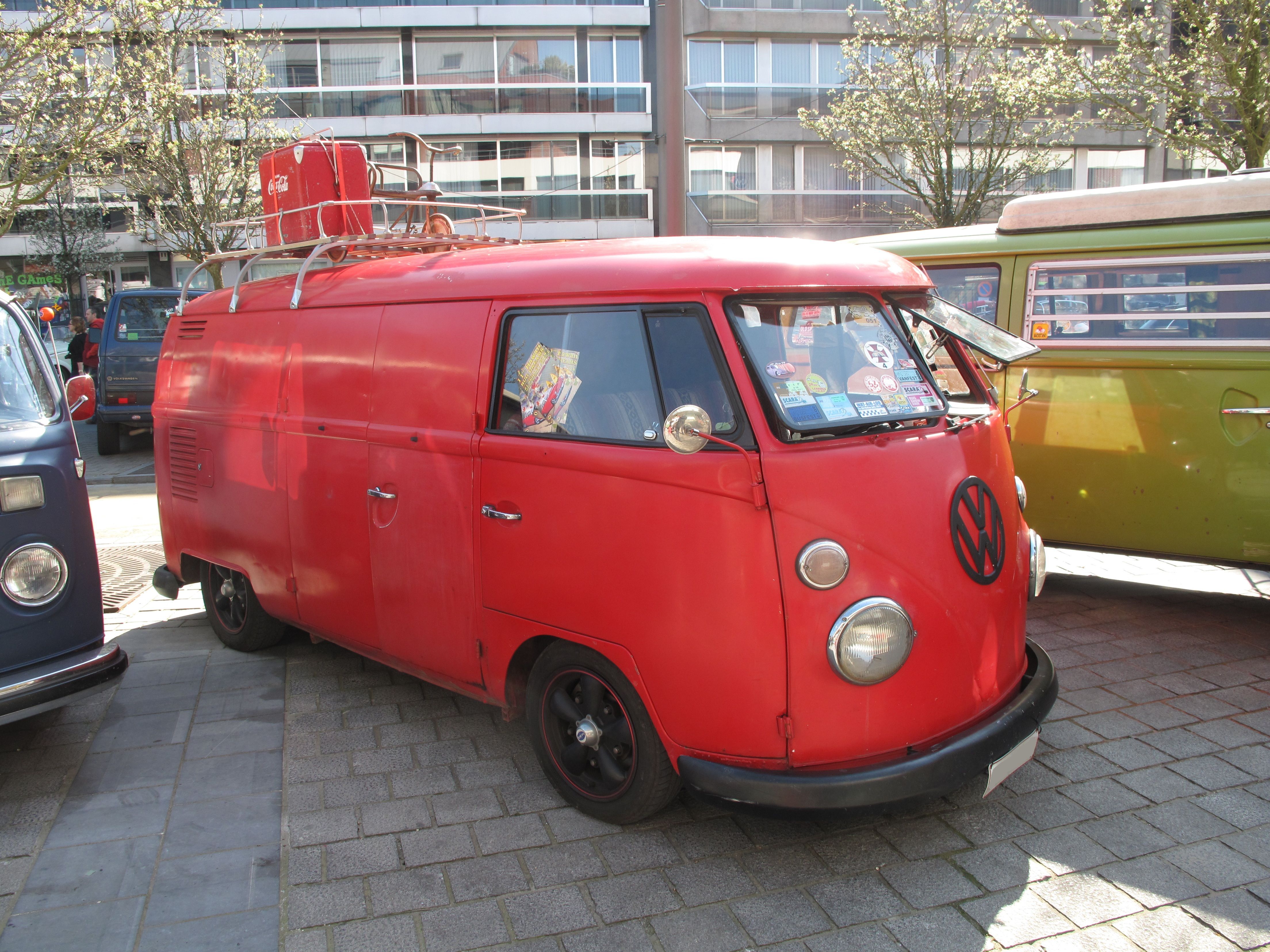
Built all over the world, like the Beetle, the Split-Screen Camper benefited as it did from a highly developed dealer network; in 1966, VW was present in 136 countries with more than 8,000 sales outlets. By the dawn of the 1968 model year and the arrival of its successor, the Bay Window Camper, more than 1.8 million Split-Screen Campers had been built. If "that" isn't a success story…
The Split's story doesn't stop there, since it continued in Brazil with the building of the Brazilian Split-Screen Camper until 1975, half Split half Bay Window.
If your finances allow it, go for it, head for a Split, you will travel with family or mates in an unequalled atmosphere and always grinning from ear to ear (banana split, anyone?).

Harald
Le partage de la Passion, simplement.
Subscribe to our MECATECHNIC newsletter