Your vehicle
No vehicle selected
Identify yours to refine your search results
No vehicle selected
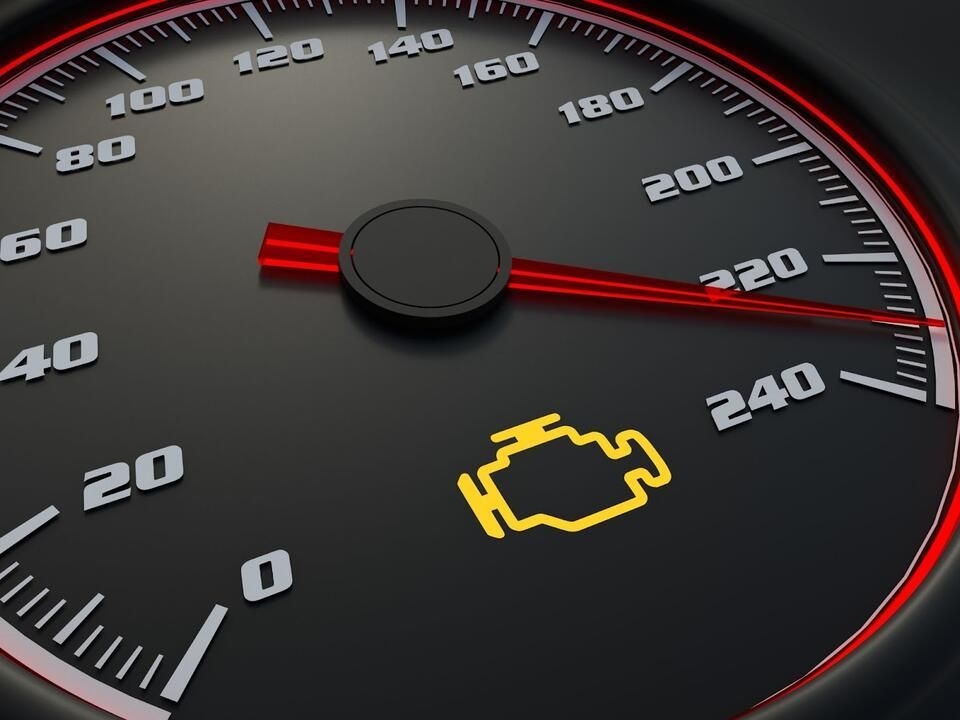
The OBD port lets you diagnose faults through the vehicle's electronic control units. How it works, OBD2/EOBD standards and use for car maintenance.
07/09/2026
Harald
5 minutes read
The OBD port... You may already have heard of it. These 3 letters "OBD" stand for: " On Board Diagnostics ", what's known simply as diagnostics carried on board.
This famous OBD port is a sort of key that gives access to all kinds of information by interrogating the electronic control units of your car, if it is equipped with them.
MECATECHNIC helps you discover how it works, so you can maintain your car yourself!
This means of communication with the car is already more than thirty years old!
Indeed, OBD was born in California in the United States in 1985, when manufacturers began to build large amounts of electronics into vehicles via an injection control unit.
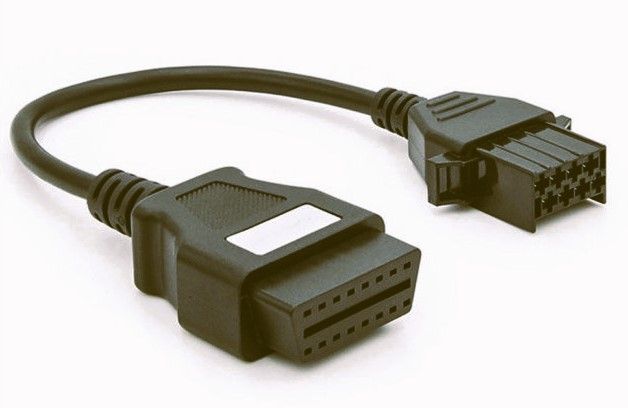
Originally set up by the agency " CARB " (California Air Resources Board), to control vehicle polluting emissions, various improvements were then applied to the system, to simplify maintenance procedures .
In Europe, car manufacturers gradually built the OBD port into their vehicles around 1990. But following European directive 98/69/EC, this port became compulsory on new cars (under 2.5 tonnes) from 1 January 2001 for petrol, then 1 January 2004 for diesel.
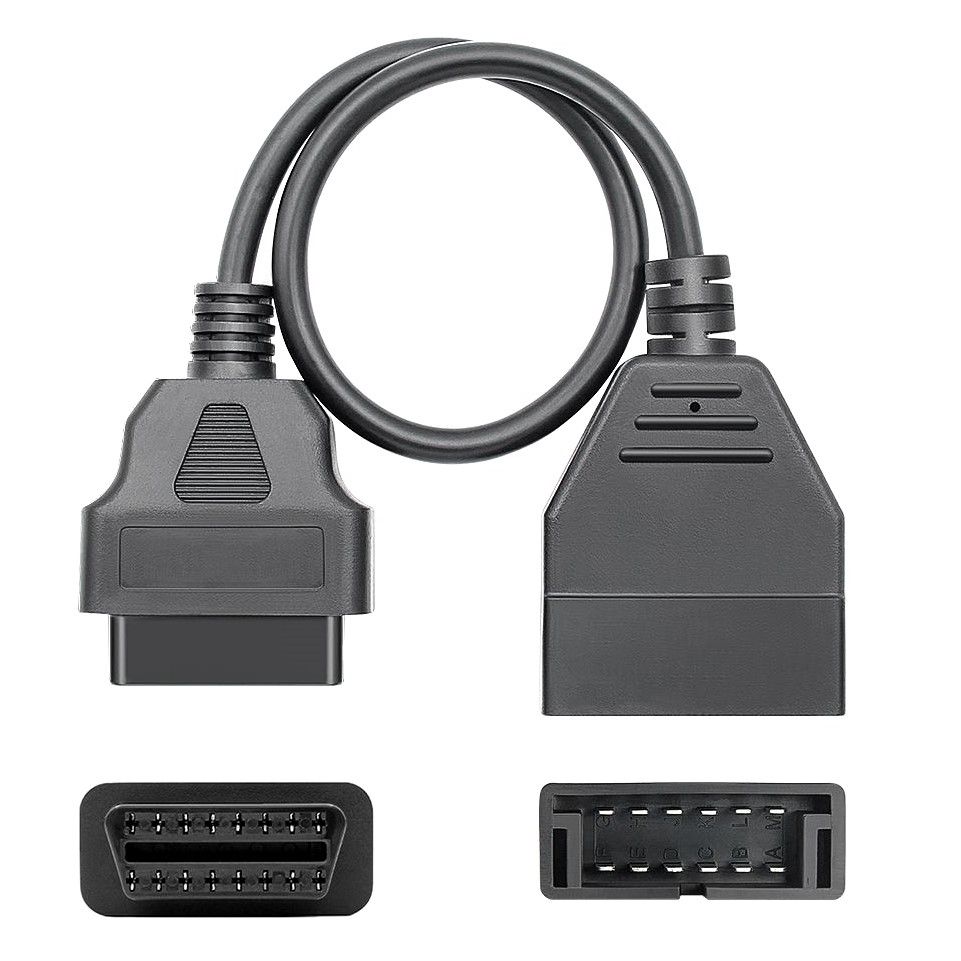
The OBD port was then installed in all vehicles, including commercial vehicles and those running on LPG/CNG, sold from 1 January 2007.
Depending on the production years, there are several OBD standards:
A standardised connector so as to be identical on all vehicles, with a communication protocol more or less specific to each manufacturer.
An evolution that arrived in 1994 with a new 16-pin port, to specify standardised codes or DTCs (Diagnostic Trouble Codes).
Takes over the OBD2 connector, with a protocol developed specifically for Europe's vehicles (EURO3).
Note: the E-OBD was introduced in Europe alongside the EURO3 standard that governs vehicles' polluting emissions.
This standard requires that faults leading to the legal exhaust emissions limit being exceeded be detected, signalled by a dedicated warning light on the dashboard, and stored in the vehicle's memory with corresponding codes.
Depending on the models and the options fitted, a modern vehicle is generally made up of 15 to 20 electronic boxes called control units.
All these modules, linked to the car's various electrical components, talk to each other quickly over a multiplexed network (BUS) via a large central control unit.
The OBD/OBD2/EOBD port, connecting the car to a computer equipped with dedicated software, lets you interrogate and fully test the system, then obtain a complete diagnosis.
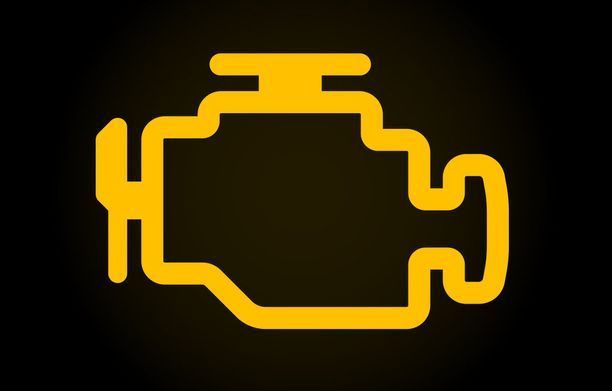
The report shows information about the vehicle, such as its real mileage, the correct operation of its sensors and devices, or, on the contrary, the various error codes possibly generated during use, such as: injection faults, intake pressure faults, braking (ABS/ESP) faults, central locking faults, pollution faults…
This protocol lets you save a considerable amount of time in fault-finding, and offers a precise diagnosis to determine which parts to replace. Note that the tool does not allow you to modify engine performance (Tuning).
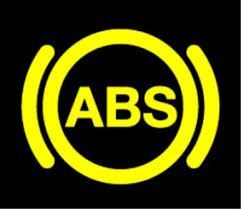
Even if the port is standardised, the computer content transmitted through it can be different from one manufacturer to another, as can the software that allows communication with the vehicle's electronic control unit.
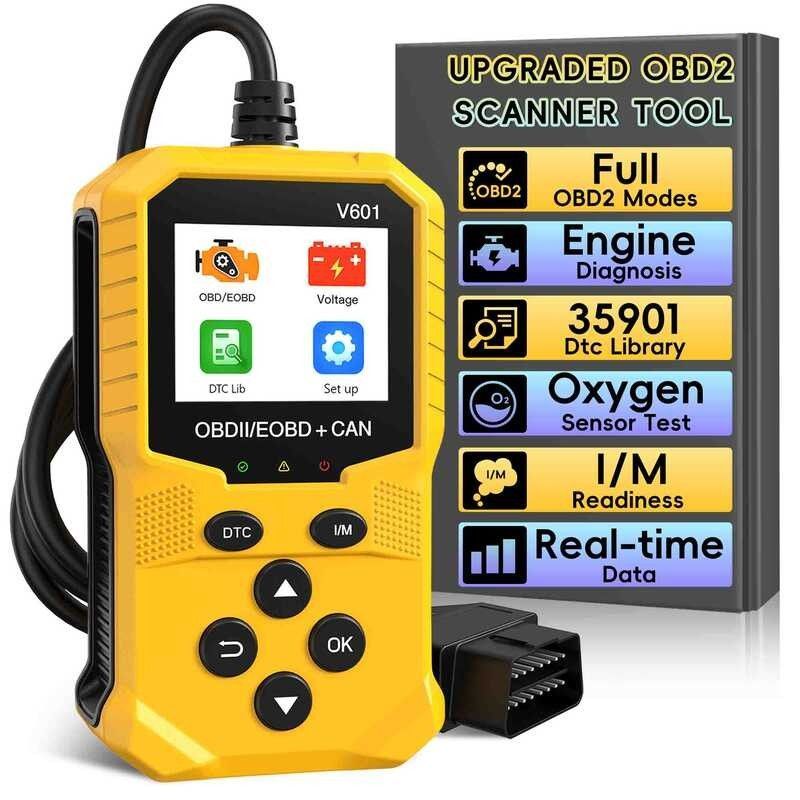
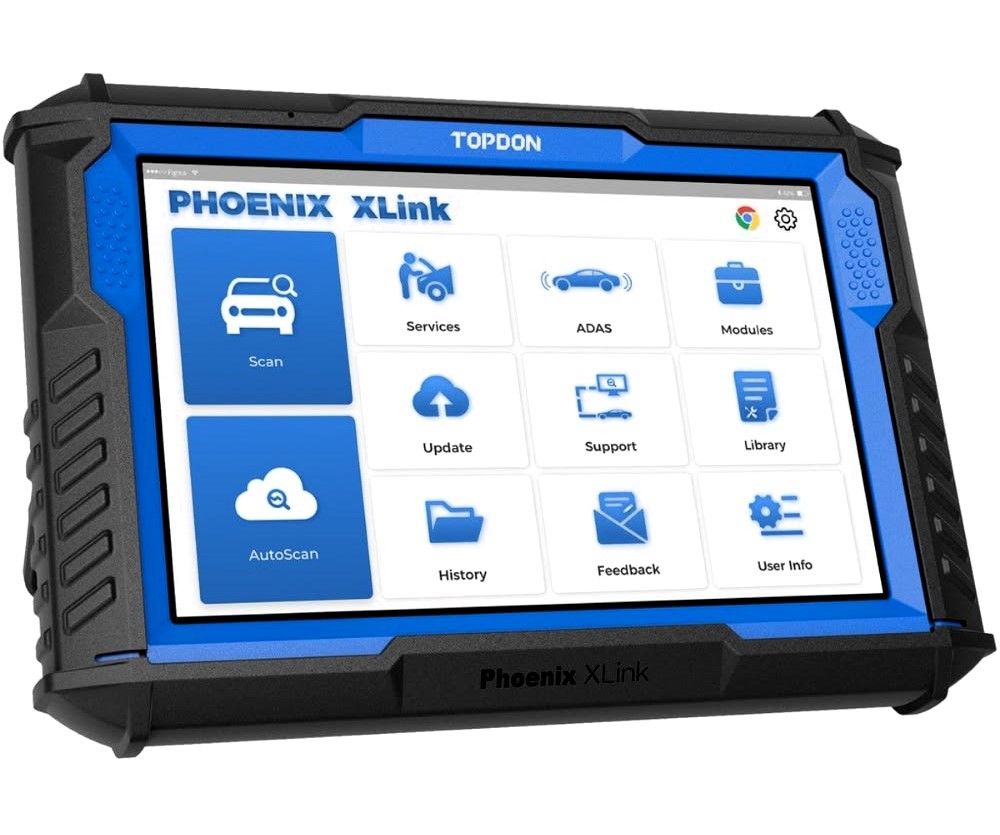
But be aware that if you want to maintain your vehicle yourself, small, affordably priced devices like this one allow simple reading and clearing of fault codes, as well as resetting the routine service indicator.
No more compulsory trip to the dealership!
Necessarily located inside the car's cabin, the connector is generally placed on the left of the dashboard, under the steering wheel, in the fuse compartment, on the centre console, or near the handbrake.
To help you find the exact location, there are many websites that let you easily locate this port according to your car model.
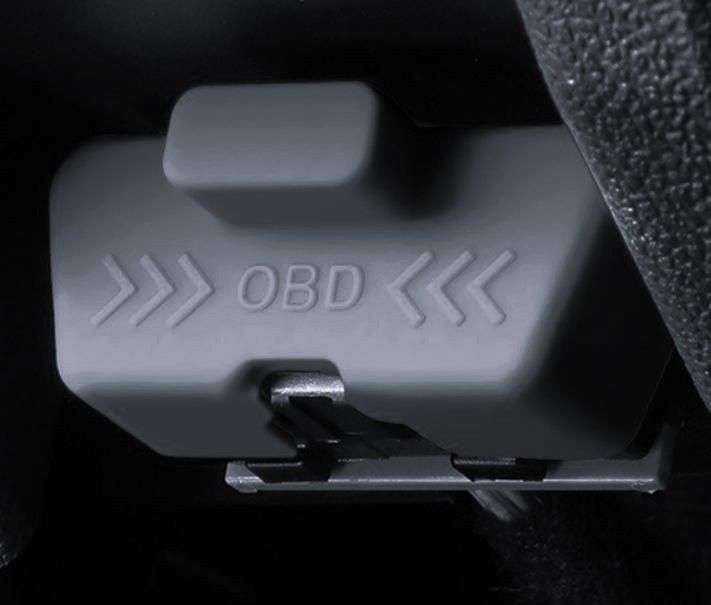
The OBD system was threatened with disappearing, but after months of uncertainty and negotiations in Paris and in Brussels, the FEDA is delighted to have found a political agreement between the European Parliament, the European Commission and the Council of the European Union concerning the regulation of motor vehicles.
Among the main points negotiated are the retention of the OBD connector, and decisive progress on the essential RMI (Repair and Maintenance Information) regulation, aimed at resolving the difficulties that penalise independent car repairers every day.
Note that access to software updates and the use of the data produced by each vehicle via OBD are essential for professionals in multi-brand repair, in order to offer a competitive offering to motorists on the market, in other words, that's you!

Harald
Le partage de la Passion, simplement.

Subscribe to our MECATECHNIC newsletter