Your vehicle
No vehicle selected
Identify yours to refine your search results
No vehicle selected
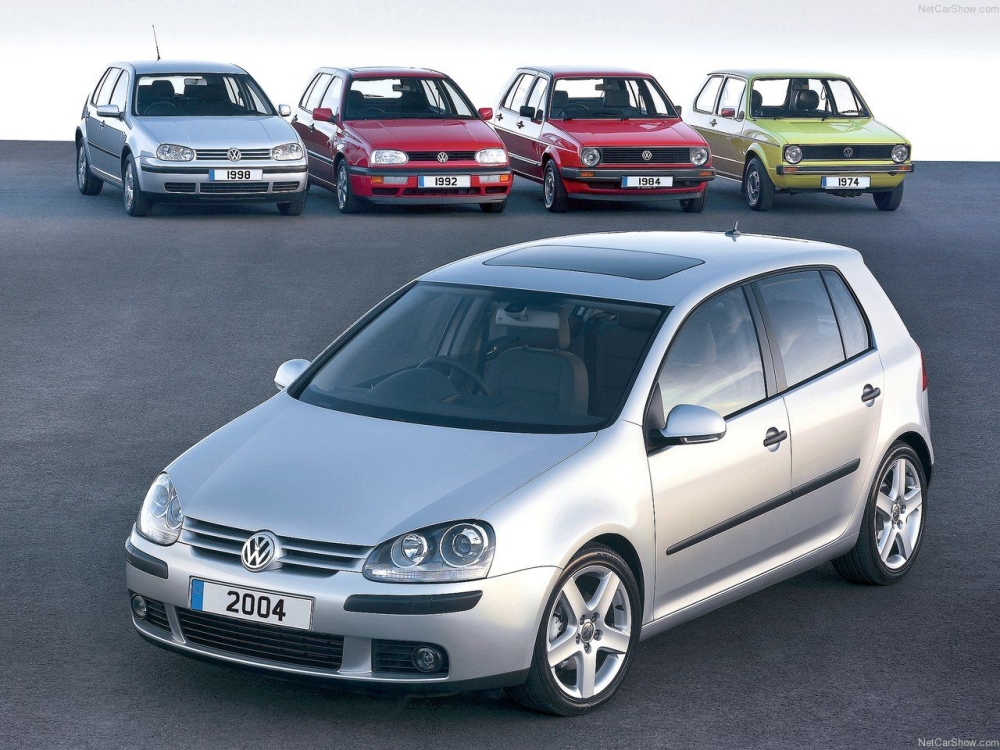
Launched in 2003, the Golf 5 modernises VW's star compact: better quality, DSG gearbox and, above all, the grand return of a GTI worthy of the name. 3.3 million built in just 5 years.
22/09/2026
Harald
8 minutes read
Volkswagen
Launched in October 2003, almost 30 years after the Golf 1, the Golf 5 remains a safe bet.
The Golf grows from generation to generation, and the fifth is no exception.
The Golf 5 is a lively car, in its lines as much as in its engines and its road holding; its short career would be crowned with success and it would sell 3.3 million units in 5 years.
The GTI, for its part, would at last rediscover its genes with this fifth instalment of the best-selling compact in the world.
It is hard to find your way through the jumble of trim levels, options and special editions; Carat, Trendline, Trend Pack, Sport, Comfortline… VW did everything to hold the ground and the new Golf 5 was a hit in the premier category of compacts. It had moved into modernity and people liked it.
We speak of the Golf 5, the Golf V or the Golf MK5 to describe a more innovative car, both in its styling and in the technology it carries.
The build quality is there; the Golf 5's monocoque benefits from laser welds, which makes it more rigid. It achieved the maximum score of 5 stars in the Euro NCAP crash tests.
Its new 4-link rear axle and its intelligent electromechanical steering bring increased driving comfort and safety.
The 6-speed DSG6 gearbox gives the Golf a comfort and smoothness unequalled until then.
Aesthetically, the 5 continued to stretch and slim down compared with the Golf 4.
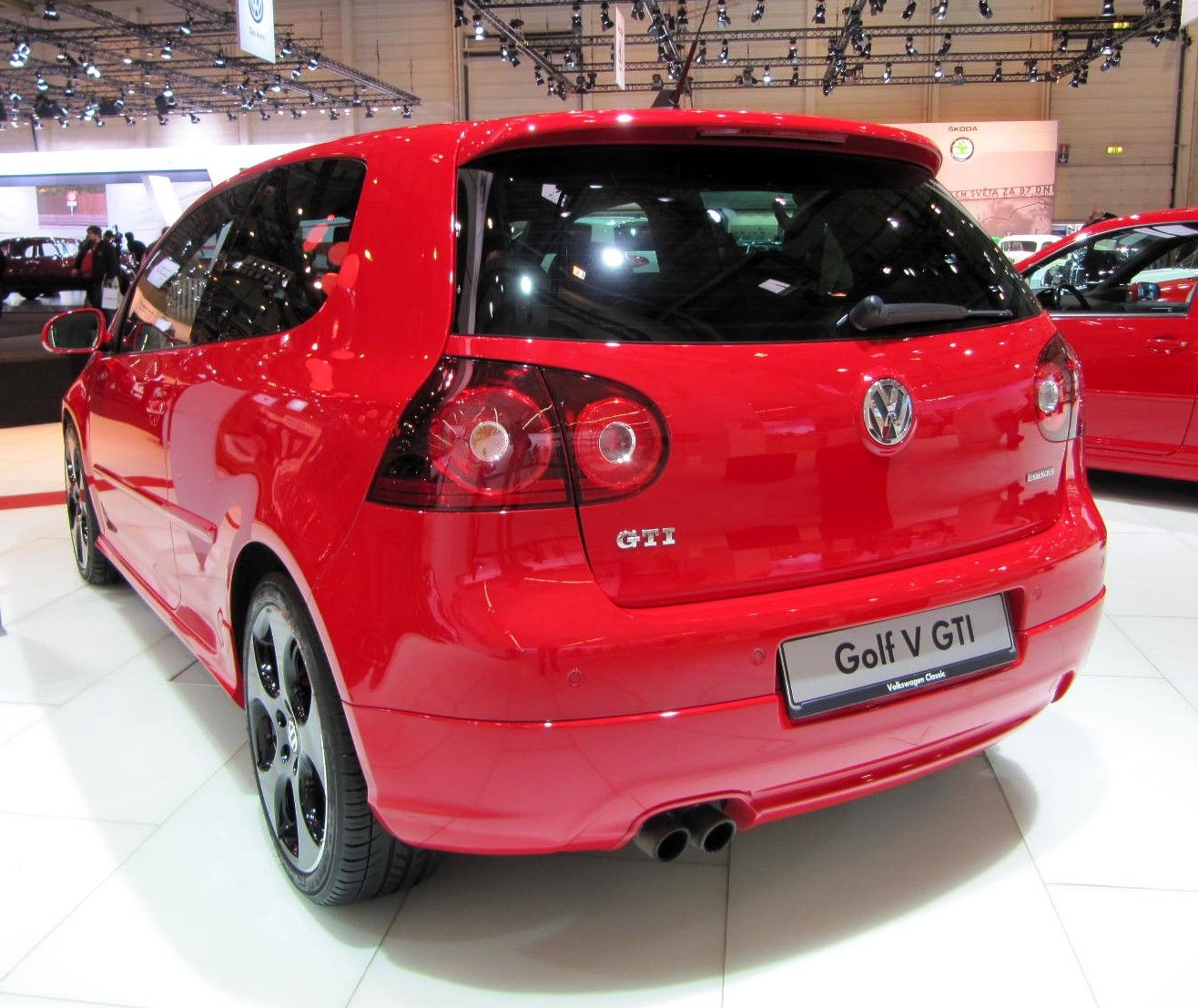
It sports an enlarged grille, almond-shaped headlights and rear lights that are not unlike those of its big brother, the Touran.
The Golf 5 would not get a facelift, there was no time … the Golf 6, which would take over its base, was already knocking at the gate.
Here's more on the Golf 5 engines
On the engine side, the line-up is balanced between petrol and Diesel versions.
The torquier Diesels are still riding high on the French market, and the powerful TDIs that need no introduction did not yet cause a scandal.
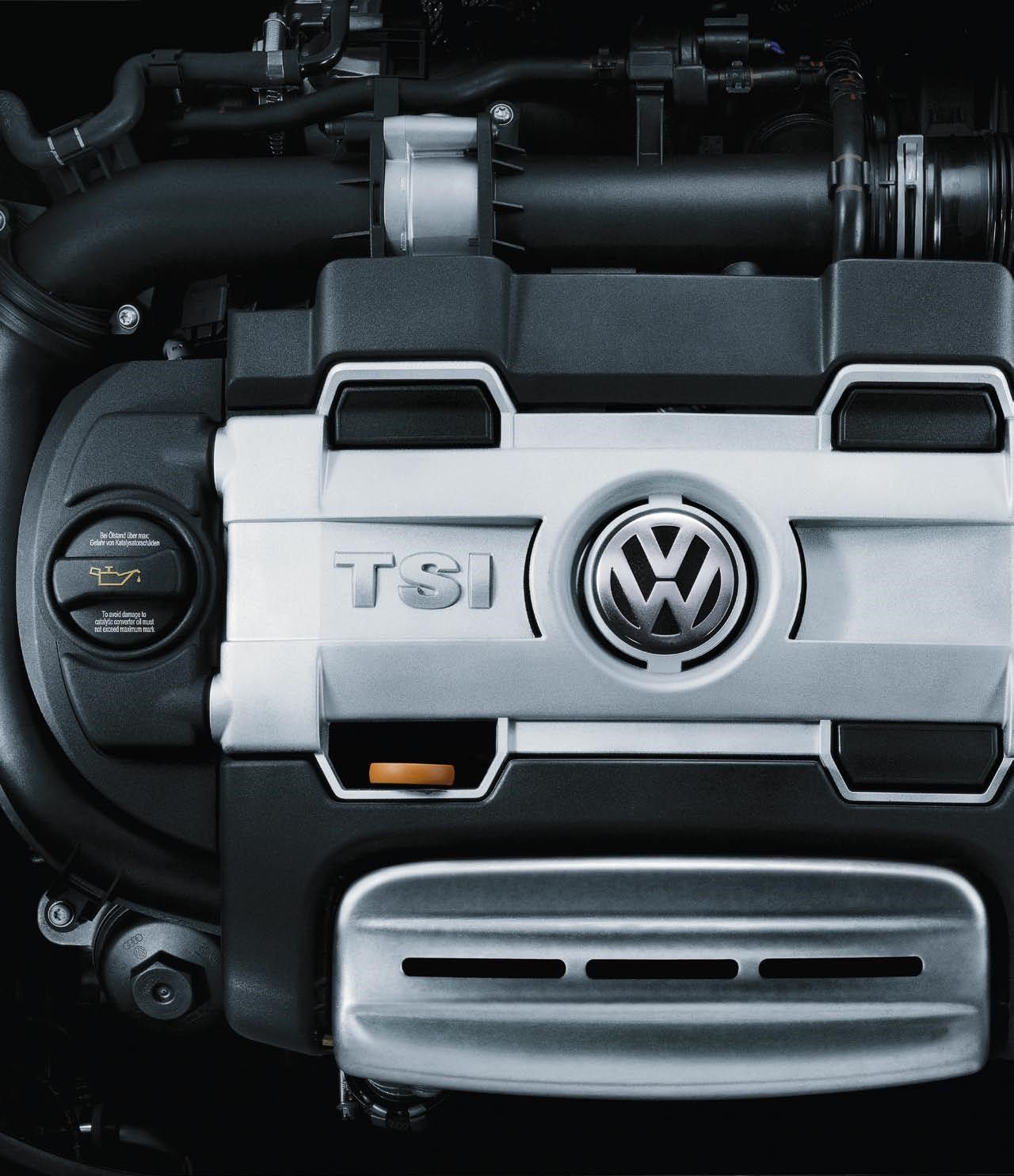
In petrol, the small engines were starting to struggle, in small capacities, to haul the extra kilos. New designations arrived, as at Audi: FSI (direct petrol injection), TFSI (with a Turbo on top). To satisfy thrill-seekers, VW reworked its copy and offered a brand-new evolution of its legendary GTI.
It is true that the gentrification and the "mere" 150hp of the Golf 4 GTI's 1.8L Turbo had left enthusiasts hungry on the power-to-weight front.
Presented in Frankfurt in 2003, the GTI 5 was identified as the "GTI Concept"; it would not reach dealerships until autumn 2004. The legendary sporty version of the Golf kept everyone waiting after whetting the appetite of Volkswagen's network and customers.
Since the launch of the Golf 1 GTI in 1976, VW had never stopped successfully aiming for the top of the podium in what is called the sports compact segment; by that we mean "little firecrackers". With this 5th version, the German manufacturer did not want to be ostentatious (nothing to do with the dog eyeing the butcher's window) but wanted to respect the silhouette common to the whole range, designed in-house.
A few extra touches of beauty are enough to turn this compact into a GTI. VW at last brought back the red trim line (absent from the GTI 4) that underlines the big black honeycomb grille of its sports car. A spoiler and a bumper fitted with fog lights, a roof spoiler and a twin exhaust outlet underline the sporty side of this version. The five-spoke 17" Denver wheels (18" Detroit optional) complete a dynamic and sober look.
Inside, fans are in heaven when they discover the bucket seats covered in checked fabric, a nostalgic nod to the famous Scottish tartan of the very first Golf 1 GTIs. Aluminium pedals and a 3-spoke leather steering wheel with a flat bottom bring a small racing touch to this slightly austere grey-black interior.
The engine is taken from the Audi A3: it is a 2.0L FSI 16s Turbo with direct petrol injection; an engine that is full across the rev range thanks to its variable-timing intake (intake camshaft). A pity to have limited it to 200 hp … it could have gained in character with 50 hp more, which would not have been too much to move the 1,350 kg of the little one.
The GTI received a new engine, type BWA, in 2007; it corrected the teething troubles of the type AXX engine, which was hungry for coils and dump valves.
The sports car is available with a 6-speed manual gearbox and with the DSG6 dual-clutch automatic; the latter is very responsive and can be operated via the paddles on the steering wheel (as on its elder sister, the Golf 4 R32).
No limited-slip differential on its driven front wheels, but a specific traction control calibration that lets the Golf stay effective in its grip on the road.
Its chassis, set a little lower and reinforced into the bargain, proves "comfortably firm" and above all effective; the GTI is not complicated to drive, it holds its course well and is not tricky.
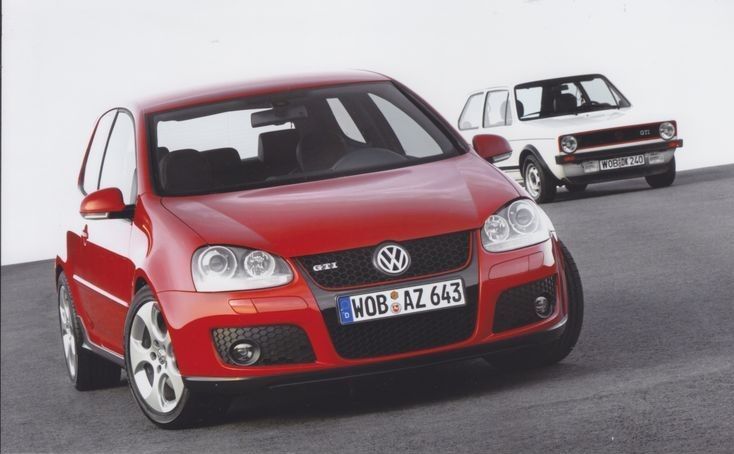
In short … YES, you can say that with this fifth element, VW was back at the top with a car that rediscovered the performance needed to do well in its segment.
Initially planned at 1,500 units, it was successfully offered at 2,280 units. The French market had to make do with 150 pieces, all with DSG gearbox and five doors. Apart from its matt black 18" wheels (Detroit) and its golf-ball gear knob, it differs only slightly from the standard GTI, which was also available in six colours.
It is under its bonnet that things boil: VW dropped in the engine from the Audi S3, "calmed down" to 230 hp.
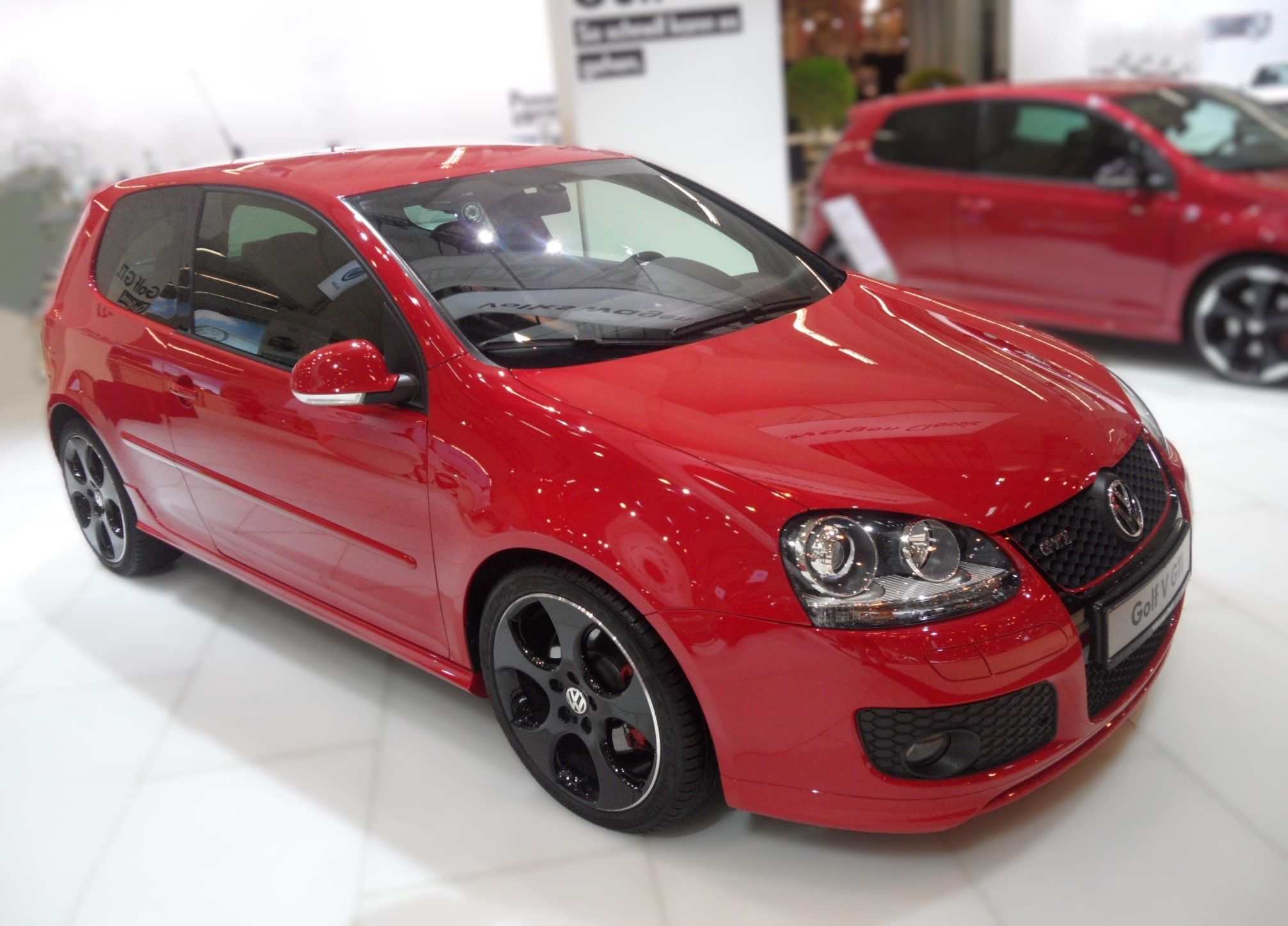
It followed in 2007 and VW brought out the violins of nostalgia again, this time evoking the last Golf 1 GTI, the 1800 Pirelli of 1983.
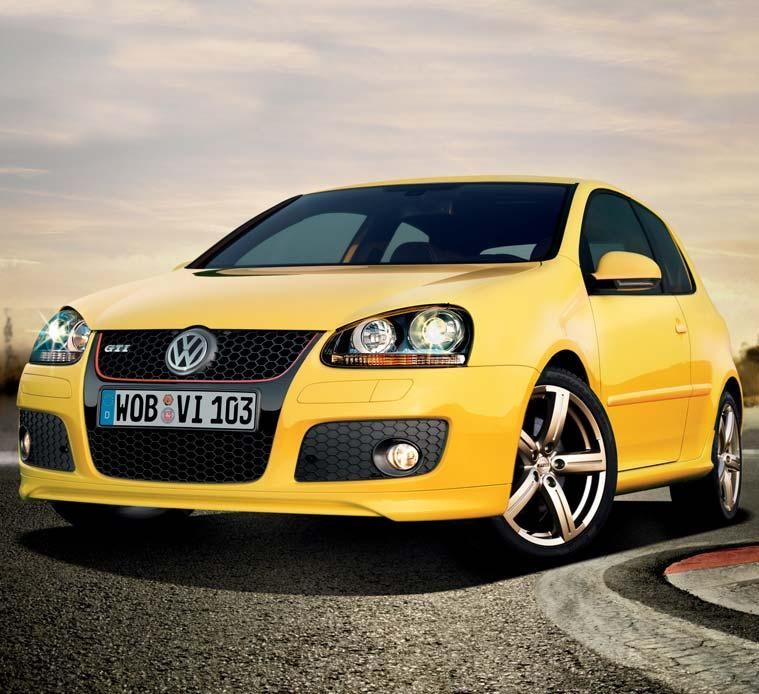
Missed the Edition 30? Don't worry, the GTI Pirelli was to be produced in 10,500 units! They were all sold within 8 months, before the arrival of the Golf 6. You don't change a winning recipe, it is copy and paste from the 30. The only notable changes: the wheels are… Pirelli 18" wheels, fitted with… Pirelli P Zero tyres, and the seat fabric sports a drape depicting tyre tracks (you can guess the brand). Personally, I would have liked to see a yellow tartan fabric like that of the first-generation Scirocco coupés. The GTI Pirelli was available in 3 and 5 doors, with a 6-speed or DSG gearbox, mostly in Sunflower yellow, but not only.
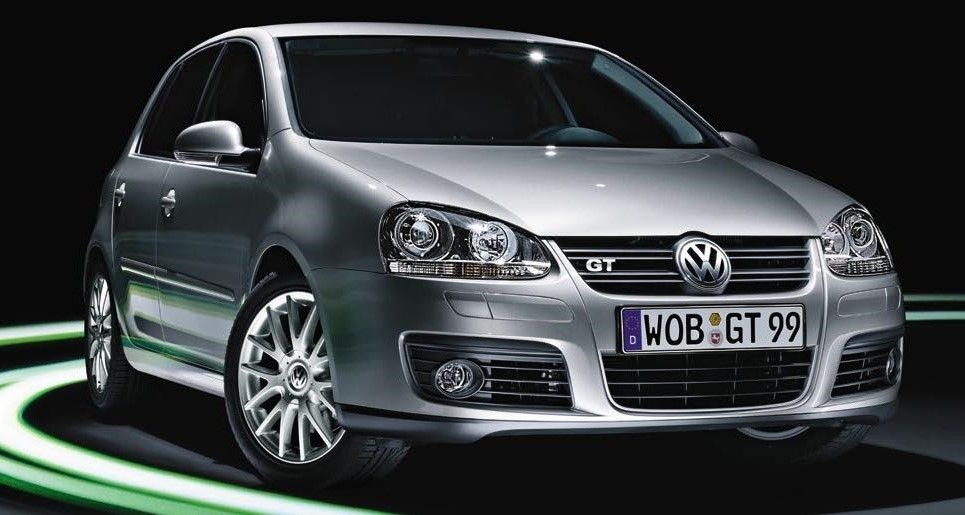
A 2.0L Diesel of 170 hp, fitted with piezoelectric pump-injectors, a diesel particulate filter (DPF) and a variable-geometry turbo. It is a diesel-fuelled GTI, in a way.
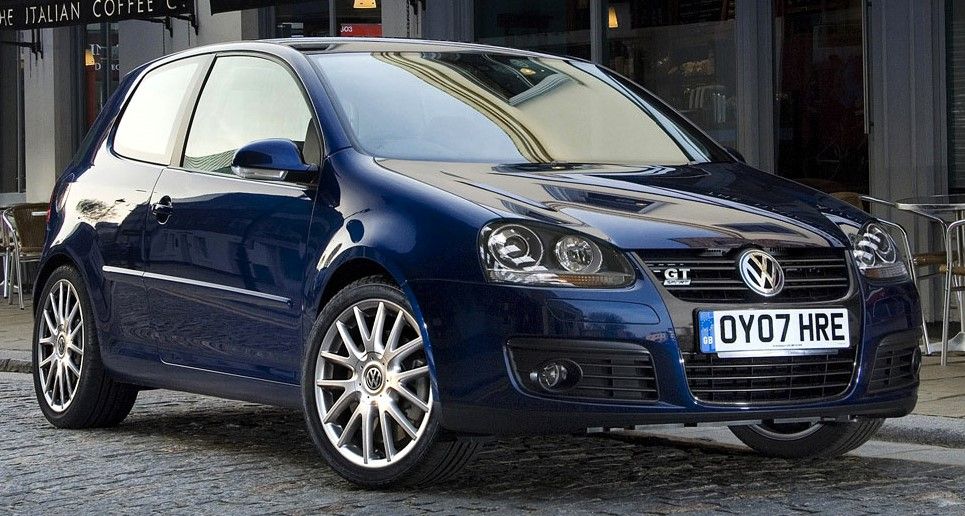
Its 1.4L (4-cylinder) twin-charged engine combines a turbo and a belt-driven supercharger, is fed by direct petrol injection and produces 170 hp.
When the German shepherd becomes a wolf… Its 3.2L VR6 engine takes up the character traits that made the success of its predecessor, the Golf 4 R32. Its 250 hp and its 4-wheel-drive 4Motion chassis make it a formidable opponent (and what a sound!). It is already a collector's item.
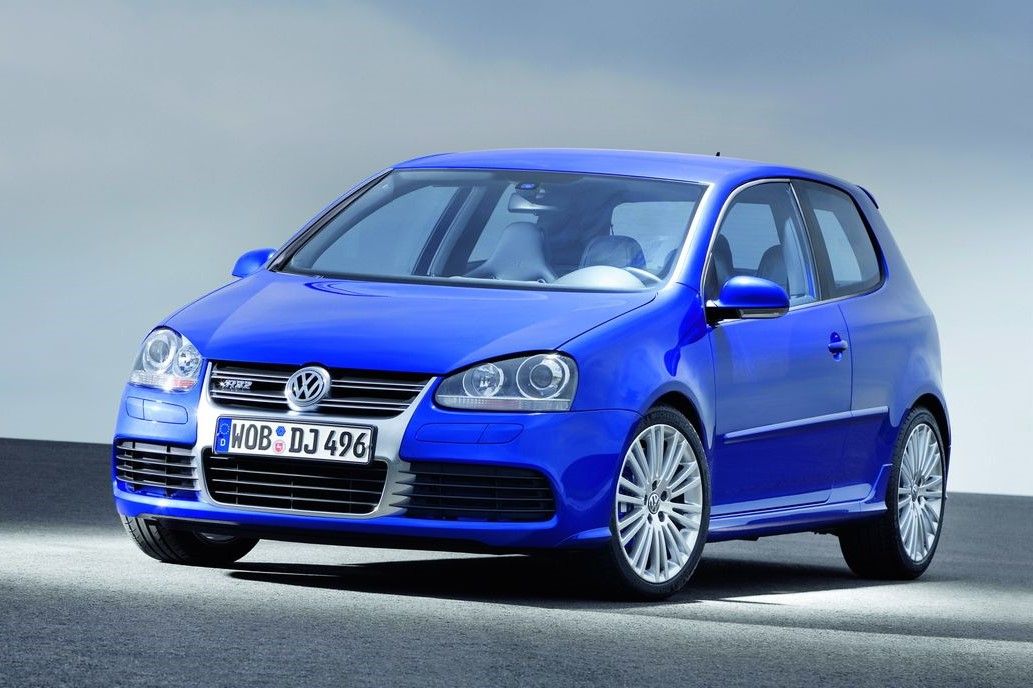
The Golf 5 would be replaced by the Golf 6 in the 2008 model year.
With this generation, Volkswagen offered a modern, versatile, lively, safe, powerful and frugal car. No wonder it enjoyed the success it deserved.
The Golf 5 is also (and above all?) the return of the GTI to its rightful place on the podium of compact sports cars. It has at last found its place again in its fans' hearts and is on its way to becoming a Young Youngtimer. What's in store for the 6th instalment of the GTI?
Harald
Le partage de la Passion, simplement.
Subscribe to our MECATECHNIC newsletter