Your vehicle
No vehicle selected
Identify yours to refine your search results
No vehicle selected
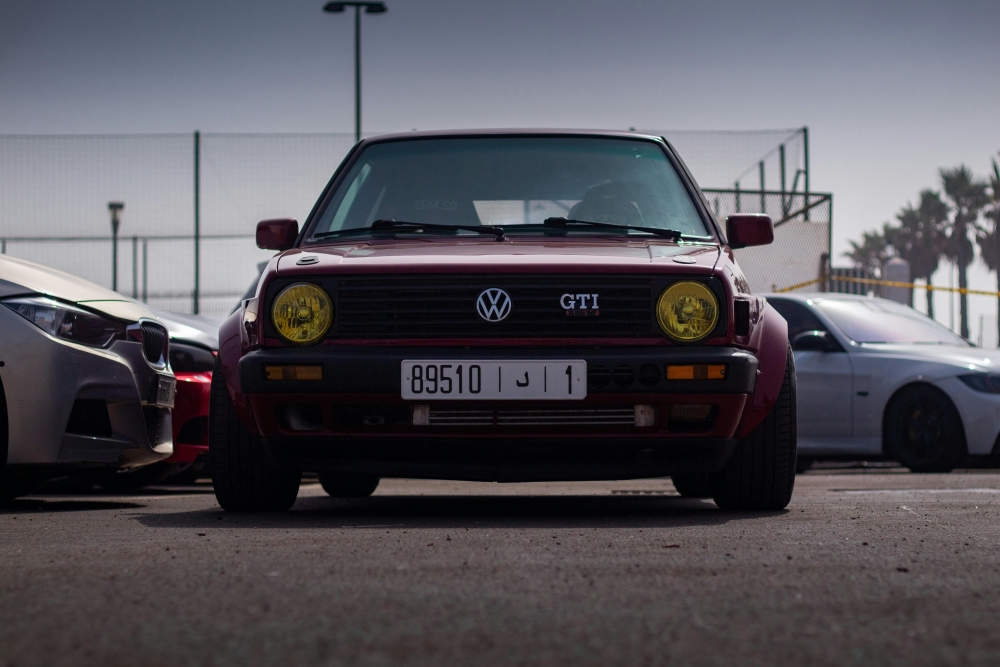
Golf 2 GTI: all the versions that made the history of a sporting icon.
27/01/2026
Harald
9 minutes read
Volkswagen
Volkswagen Golf 2
The Golf 1 GTI was born from the vision of a few well-informed engineers, hungry for performance.
In the manner of the "bêtises de Cambrai" (the Cambrai mints, a sweet invented by accident), Volkswagen invented the G T I: Grand Tourisme Injection, in 1976. Without really believing in this potential market for sporty compacts, VW sold nearly 500,000 of them.
You will understand that after such a success, the second generation of this legendary Golf with the 3 magic letters was awaited around the corner (or under braking), as much by those won over by the first as by the competition, which had also started to GTI-fy.
In bodywork, the second generation evolved without revolutionising, but the lineage is definitely there.
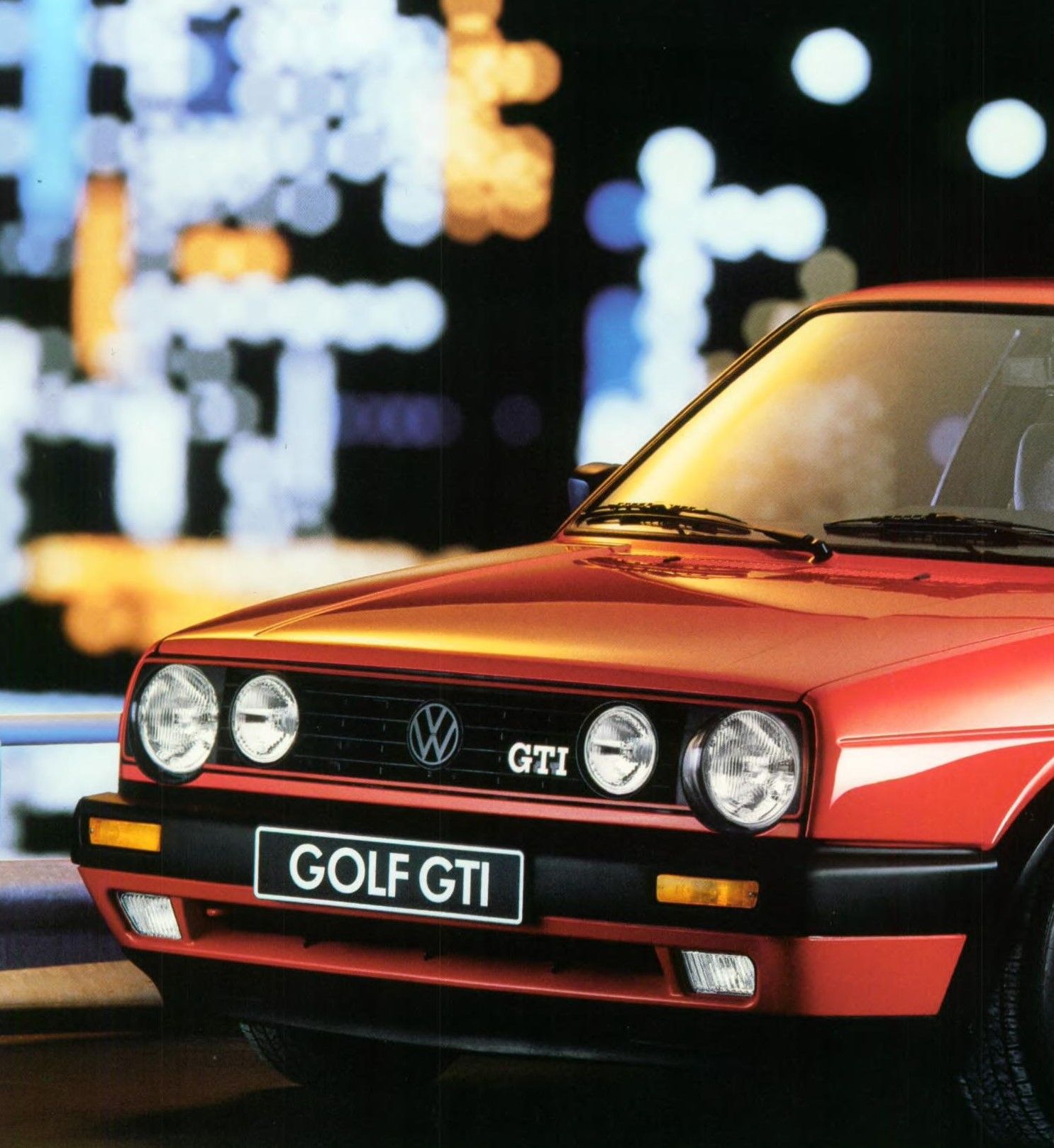
As for the look, the Golf 2 GTI stays faithful to what makes it a … Golf GTI. You don't change a winning recipe: 4 wheel arch extensions and a black ABS front spoiler, a red line around the grille, a lower stance than a standard Golf 2, the black sill stripes, the black tailgate surround and the famous GTI logos, which sign the car as an artist signs his work.
The VW GTI's trademarks are also present inside. A quick glance at the centre of the console and you spot the famous golf ball on the gear lever, the black bucket seats that take up the graduated stripes of the GTI 1s but laid out the other way round. The four-spoke sports steering wheel comes from the 1983 GTI and as for the rest … it's black.
Its new shell gives it a better Cd (0.34 against 0.40 on the One) which lets it climb to a top speed of 191 km/h, despite 50 kg of extra weight. In 1984, for a compact, that's not bad. But the big flaw of the newcomer is that it simply takes over the engine of the Golf 1 GTI that had just left the stage: the 112hp 8-valve 1800.
The press cried scandal, and the die-hards of the previous GTI grumbled, all the more as they had been waiting for a real evolution so as not to go over to the competition. Presented with this engine and 13-inch wheels (175/70/13) … the launch spec did not set pulses racing. A small improvement all the same: disc brakes made their appearance on the rear axle.
The DX-type 1800 engine became the EV; basically it is the same engine except that the BOSCH K-Jetronic mechanical injection (with airflow sensor plate) was moved to the passenger side. The advantage of this engine is that it is torquey, which gives the car real driving pleasure. This GTI is a Golf above all, it is good at everything. The town and country corners belong to it.
Those who were waiting for more watts would have to wait a little longer. At the start of 1987, the GTI gained a 4-headlight grille and 14-inch steel wheels (ahh … at last!).
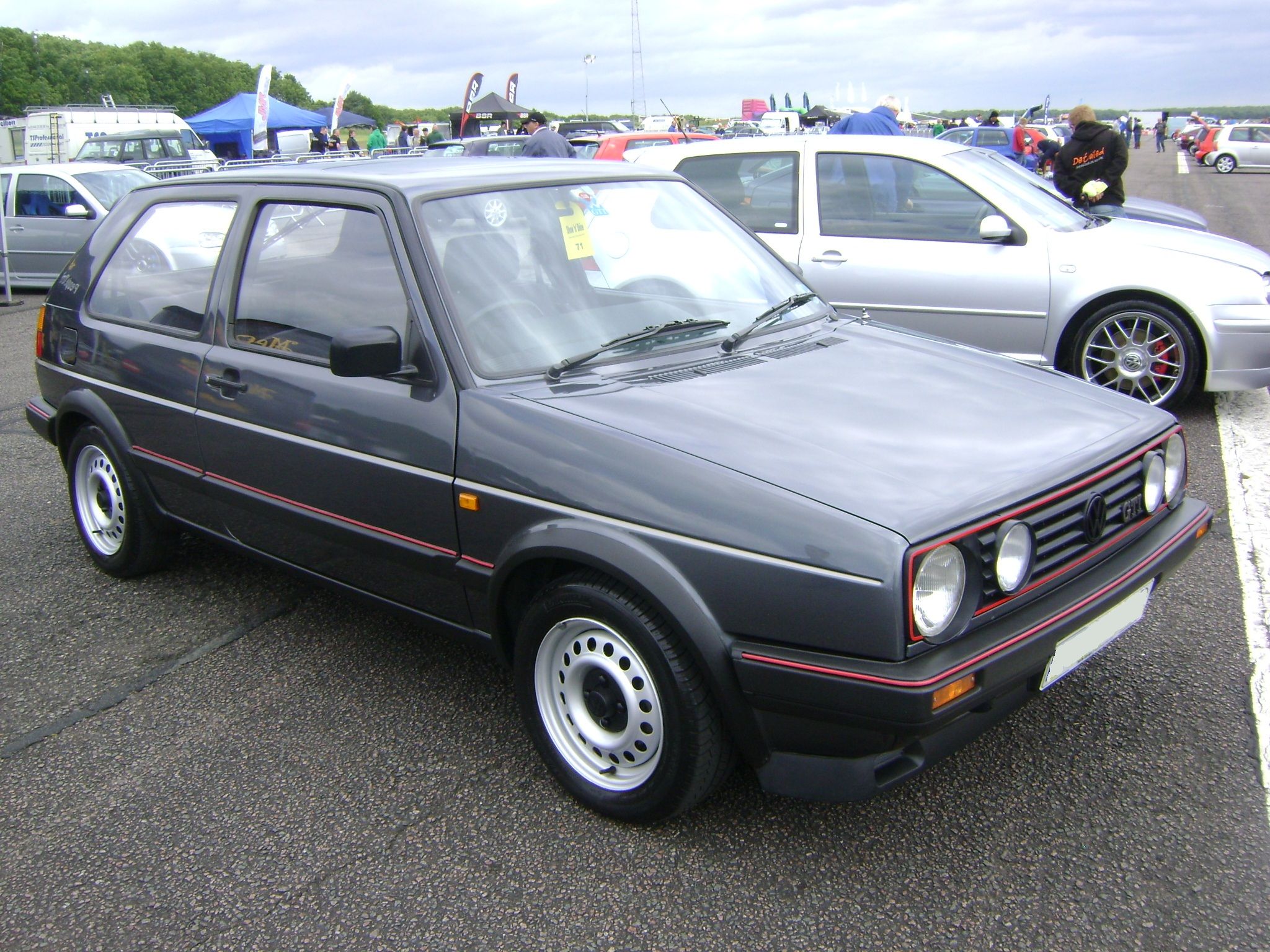
In March 1987, the GTI's engine switched to electronic injection and an airflow meter. The good old 1800 kept its 112 hp and gained in fuel consumption. In the mid-80s, electronics took over cars more and more, for greater efficiency and to manage their polluting emissions automatically. The French got off lightly and kept their horses (hp), whereas the GTIs destined for Germany and the USA came out with catalytic converters and therefore deflated … from summer 1984!
The look of the Golf 2 GTI changed with the 1990 model year: new large, more wraparound bumpers, integrated front fog lights, thinner mouldings and sills appeared. The 8-valve would remain unchanged to the end; it ended up renewing its audience, the "purists" having left for the more powerful 16s and G60 versions.
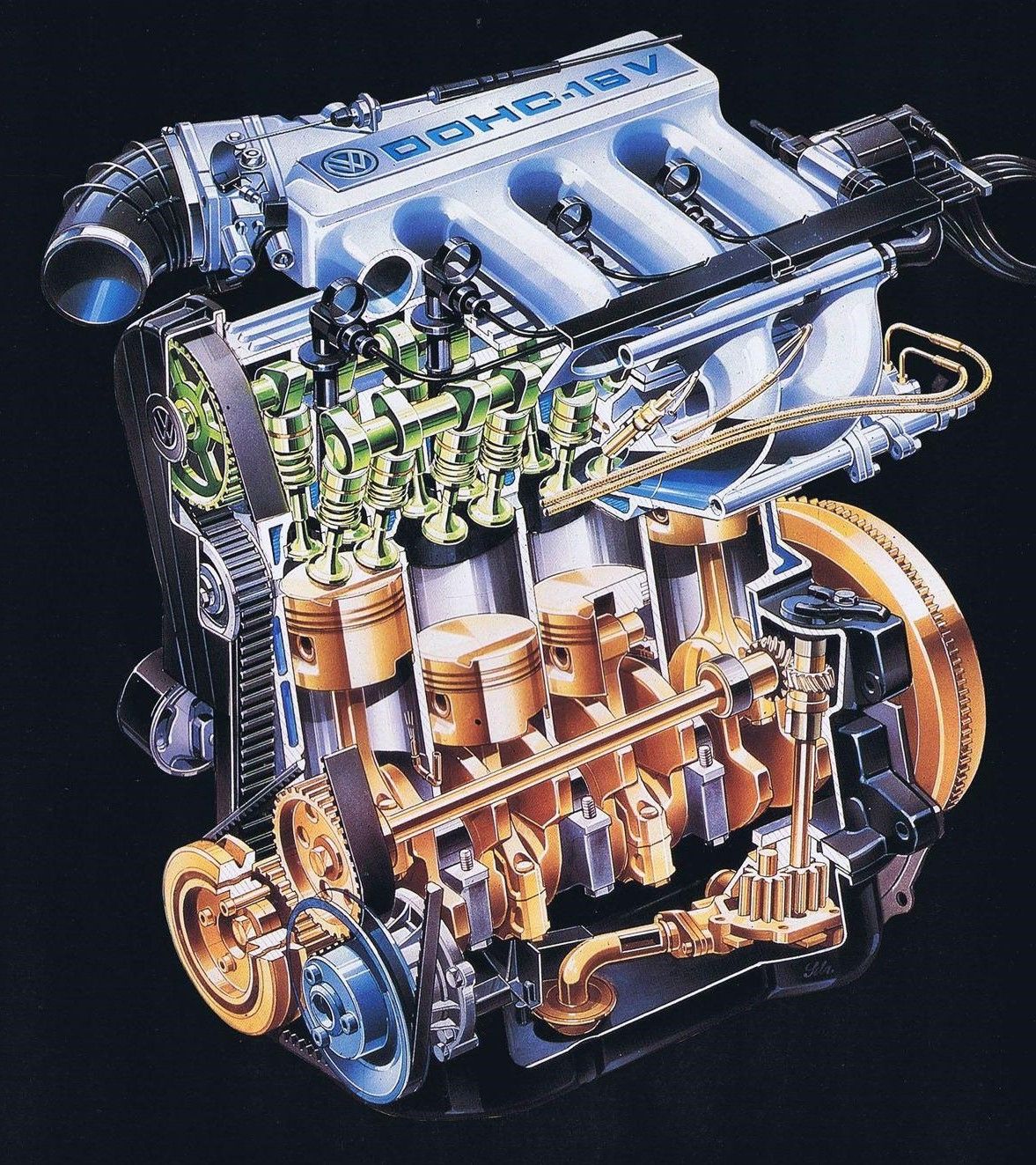
VW France had shown the way with the very special Golf 1 GTI 1600 with a 16-valve head, ordered in 1982 from the German tuner Oettinger. The Golf 1 GTI Oettinger produced 136 hp for a featherweight. The GTI 2 had been received with disappointment; its 16s version would thrill the aficionados as soon as it appeared, in 1985. Its 1800 KR engine is angry, it delivers all its power at 6,100 rpm (5,400 on the 8-valve) and propels the Golf to 208 km/h, enough to tickle the BMWs of the segment above. You need that, above all, to face the 130 hp of the new 205 GTI 1.9L.
Its chassis was (again) lowered, it received new spring and damper units, and bigger calipers and discs curbed the driver's potential ardour (256 mm discs against 238 mm on the 8s). In 1990, its look evolved too, but its injection stayed mechanical (K-Jet) to the very end.
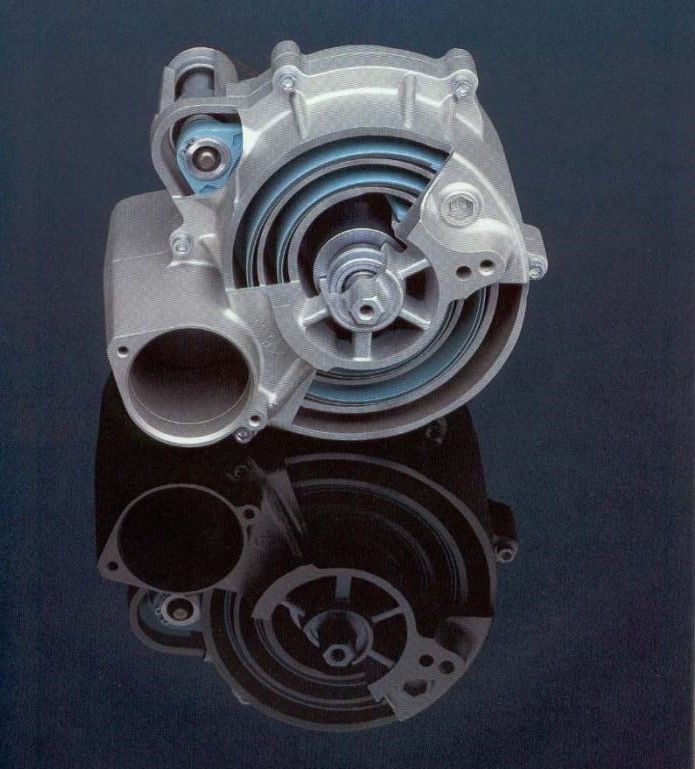
A new version of the GTI arrived in the catalogue in 1990: the G60. Its name comes from the scroll-type positive-displacement supercharger, G-shaped (invented by a Frenchman in 1905!) and 60 mm in diameter. This technological engine let VW stand out from its competitors and counter in good time the launch of the 309 GTI 16s (160 hp). A smaller version of this supercharger had been used successfully on the Polo GT G40.
The G60 engine develops 160 hp at 5,600 rpm, its torque jumps to 23 kgm and it propels the Golf to 218 km/h. Its supercharger, driven by the crankshaft, gives it linear power, available from bottom to top, unlike a turbo which is hollow at low revs. This technology was first used to develop the Golf 2 Rallye G60 and the G60 Limited; derived from the Passat G60, it would also be used on the Corrado G60.
To brake it properly, the discs grew again in size to 280 mm.
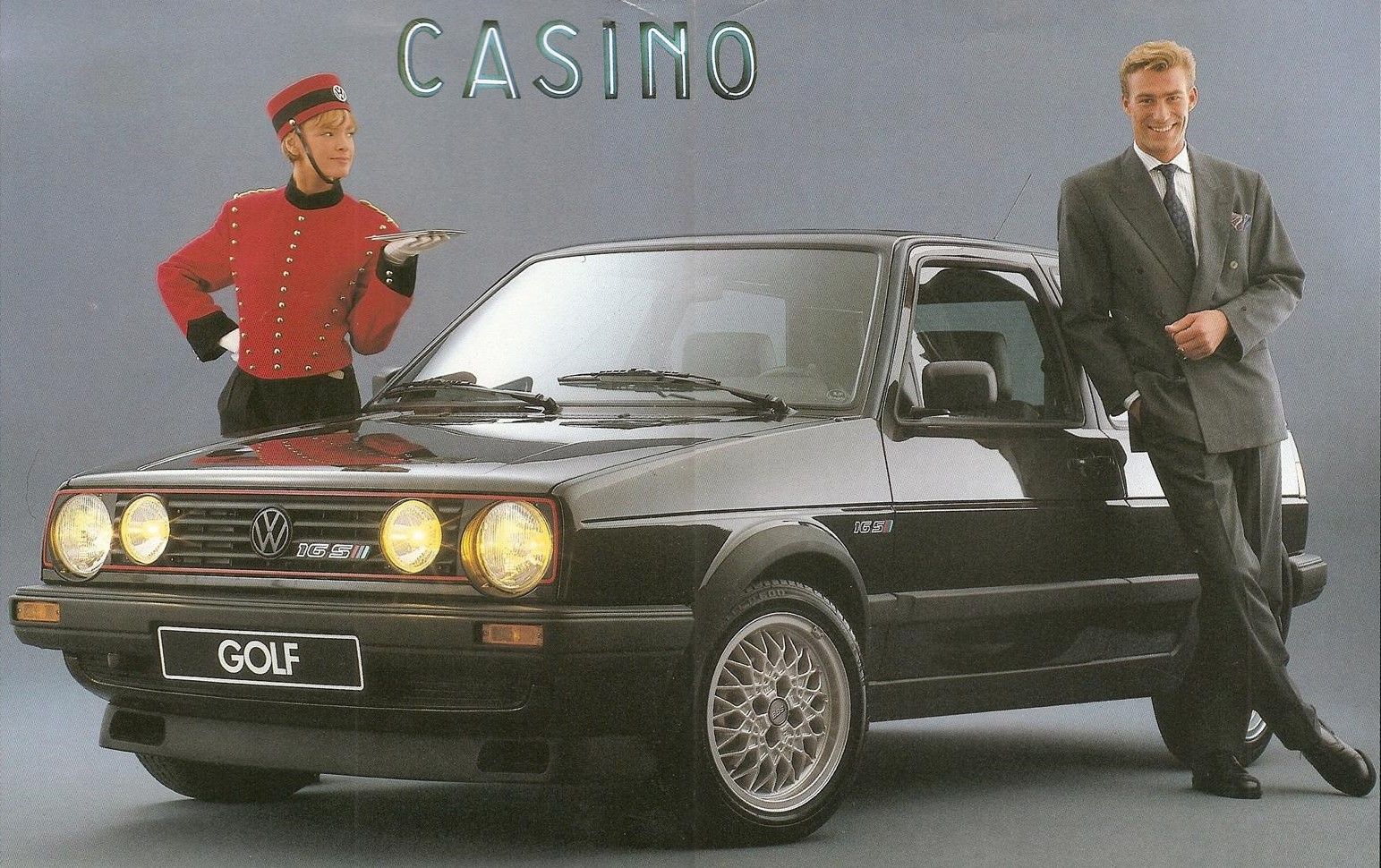
In May 1988, in very chic style, VW released a version limited to 1,200 examples; it was metallic black. With small bumpers and shod with 15-inch BBS RA wheels (185/55/15), it is a richly equipped model: power steering, sunroof, leather-wrapped gear knob and steering wheel, tinted rear lights etc.
Its futuristic digital electronic Digifiz instrument cluster lets you tell it apart from the other versions at a glance. It is a much sought-after youngtimer.
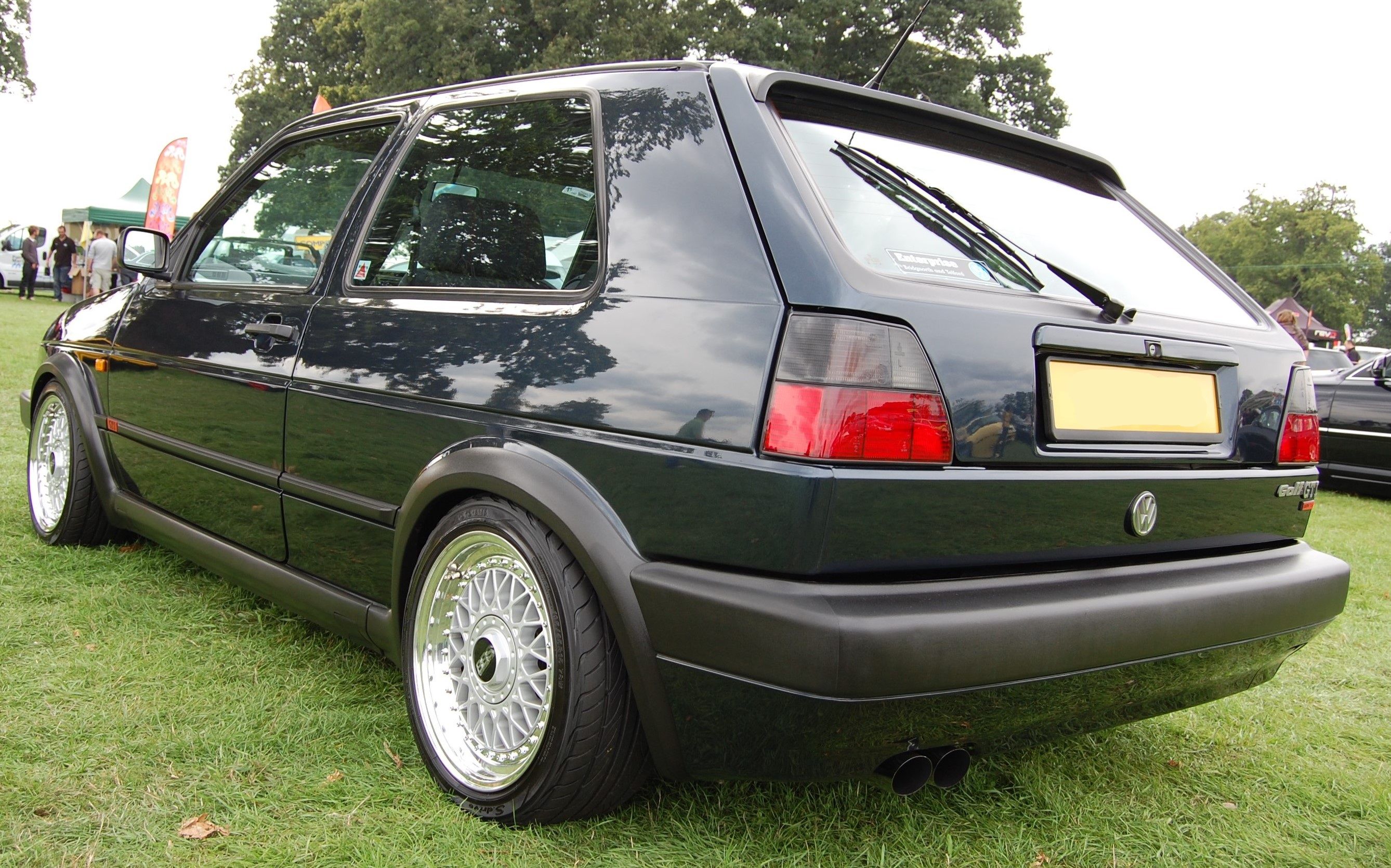
During 1990, VW came back strongly with a GTI 2 with "big bumpers" and a very rich spec on this limited edition badged Wolfsburg Edition: sunroof, tinted rear windows, clear indicators, dark-tinted rear lights, body-coloured mirrors and removable BBS RM wheels in 15-inch. Available options: electrically adjustable RECARO front seats, air conditioning and ABS.
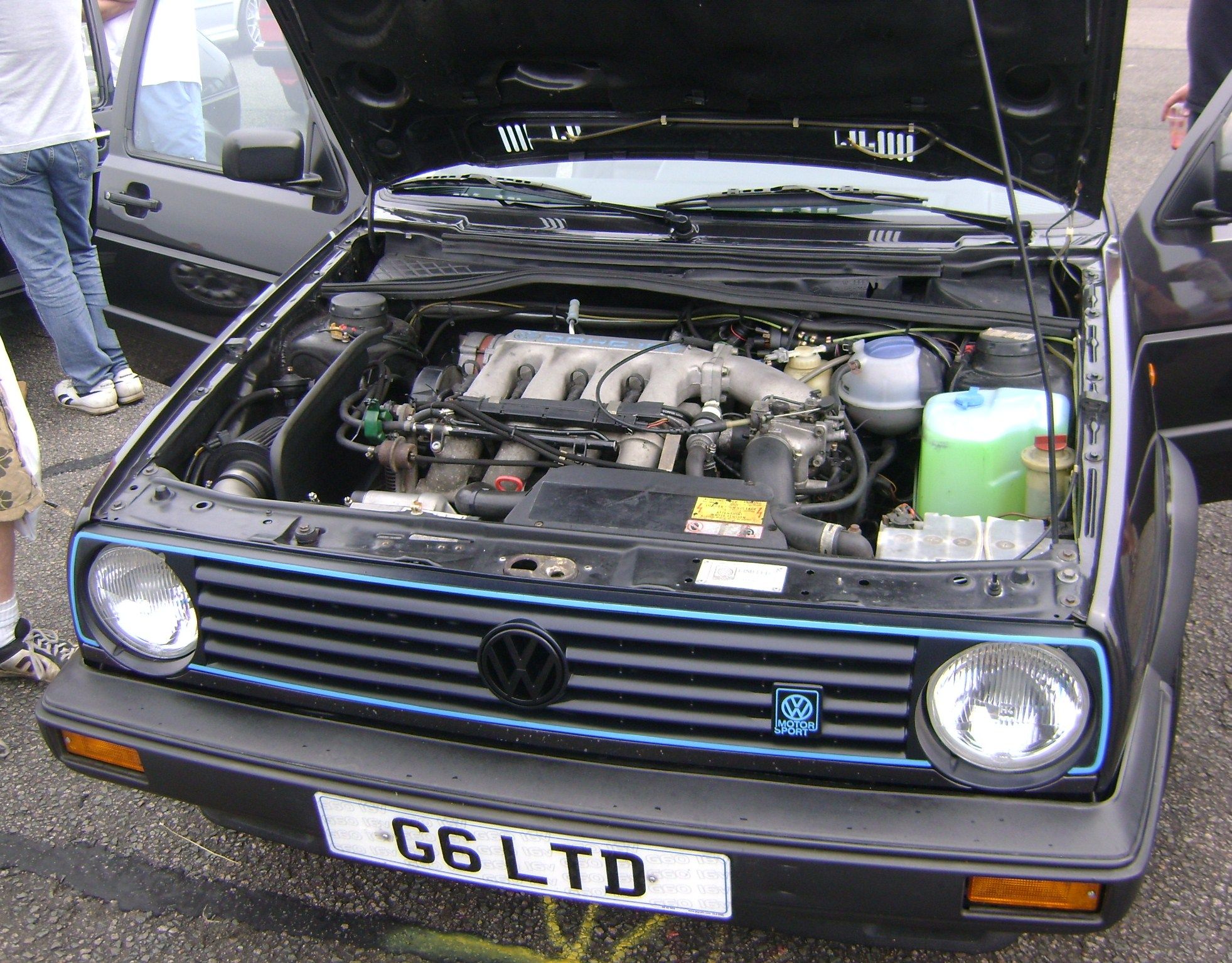
This ultimate G60, which saw the light of day in 1989, combines a syncro chassis (4WD), a G60 engine and a 16-valve head; it is a 210 hp fighter jet capable of reaching 231 km/h. It is recognised as the "Holy Grail of Golf 2s", all the more so as only 70 were built, assembled by Volkswagen's Motorsport department and available only for the German market.
This series limited to 5,000 units went on sale in June 1989; it is a "mutant" G60 dedicated to flying the Volkswagen colours high in the World Rally Championship. It was offered to customers even before the "simple" G60 version, on the Syncro platform (4-wheel drive).
Its curved wings that seem hacked out with a hatchet and its rectangular headlights (yellow for France) set it well apart from the other Golf GTIs.
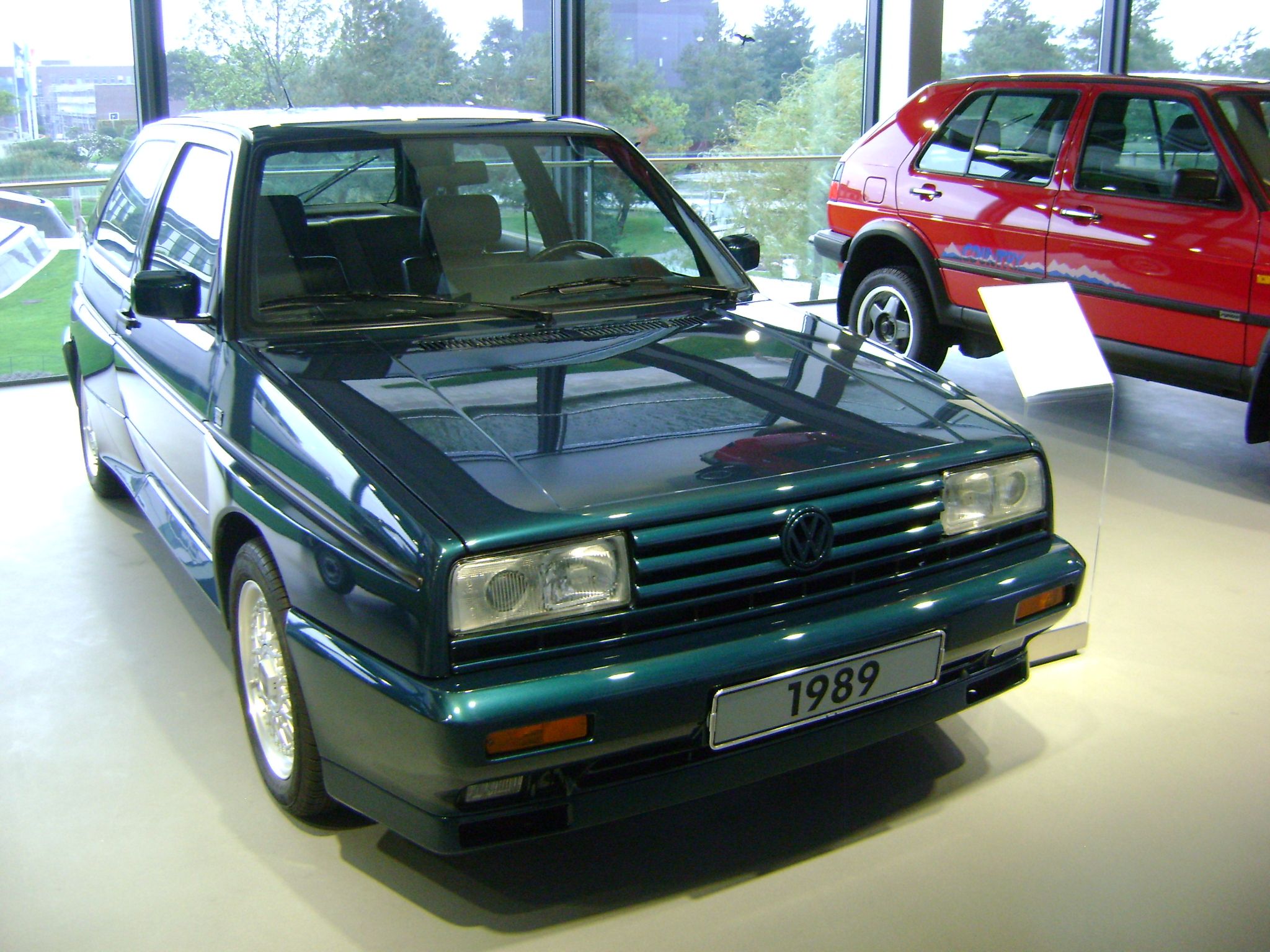
De-badged? No, just "de-accessorised"; we like to think that "Cup" refers to racing and the "GTI cups" set up with the first one. On sale in the 1988 model year, it cost about 8% less than the "real" GTI and came close to the price of the 205 GTI 1600.
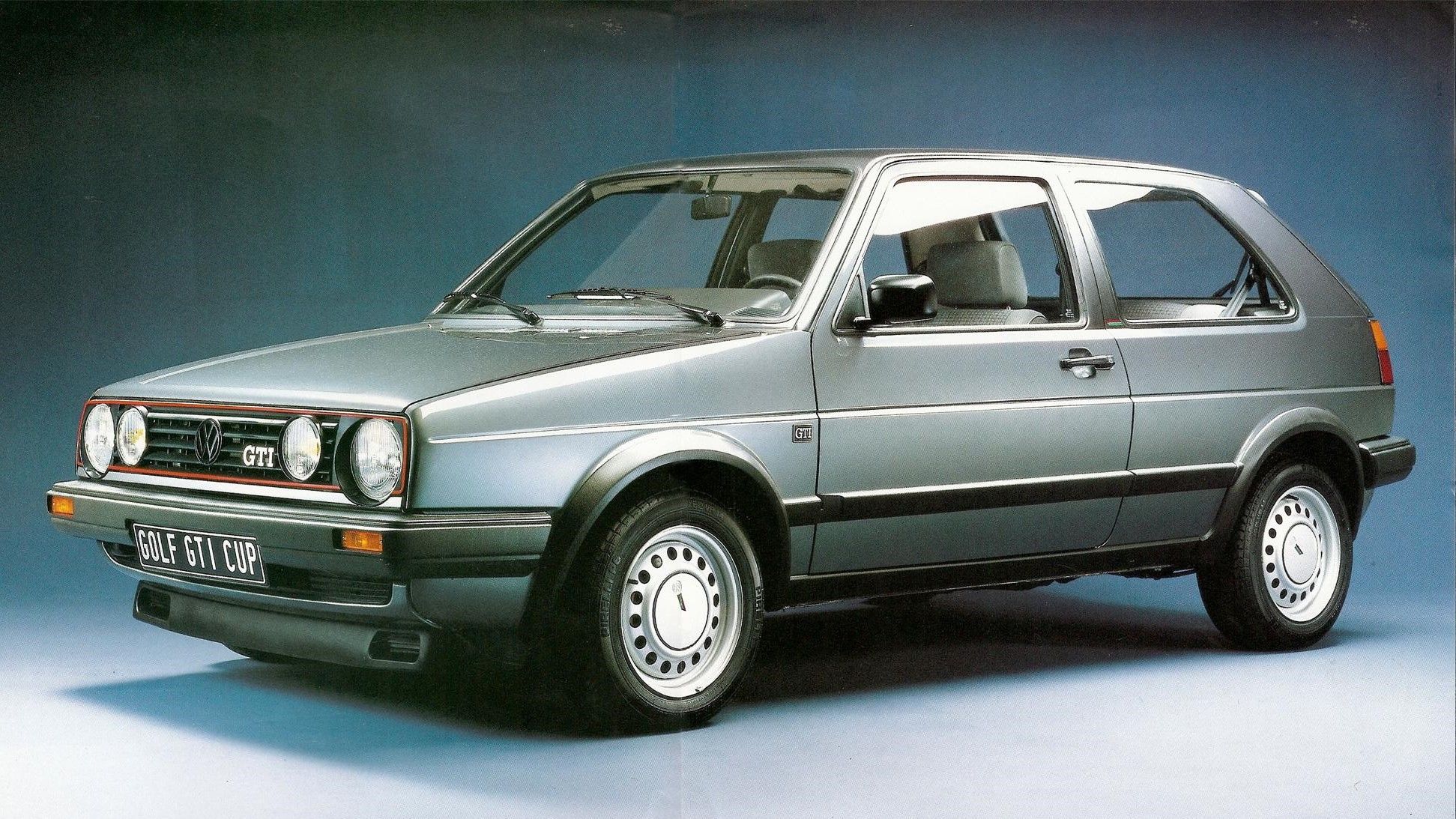
With its second version of the Golf, Volkswagen had to reinvent its best-seller. While things looked bad for its new GTI, which had put on weight while forgetting to gain horses, the firm with the wolf badge managed to react by bearing its teeth with its 16-valve.
The challenge was more than met afterwards, with the arrival of the G60 versions that let VW lead the (commercial) race. More than 600,000 Golf 2 GTIs were built.

Harald
Le partage de la Passion, simplement.
Previous article
The Renault 4: the other French people's car that has spanned the generations
Next article
Golf 1 brakes: hoses, pipes and ancillary parts
Similar articles
The Golf 2 and its special editions
Special editions of the Golf 2: rare, sporty or budget models that marked the 80s and 90s
Read the article
The Volkswagen Golf 2: the next generation and beyond
Bigger, roomier, better finished, the Golf 2 keeps the codes of its predecessor without upending everything. GTI 8s, 16s, GTD or G60, it marked the 80s with its reliability, performance and move upmarket without losing the VW DNA.
Read the article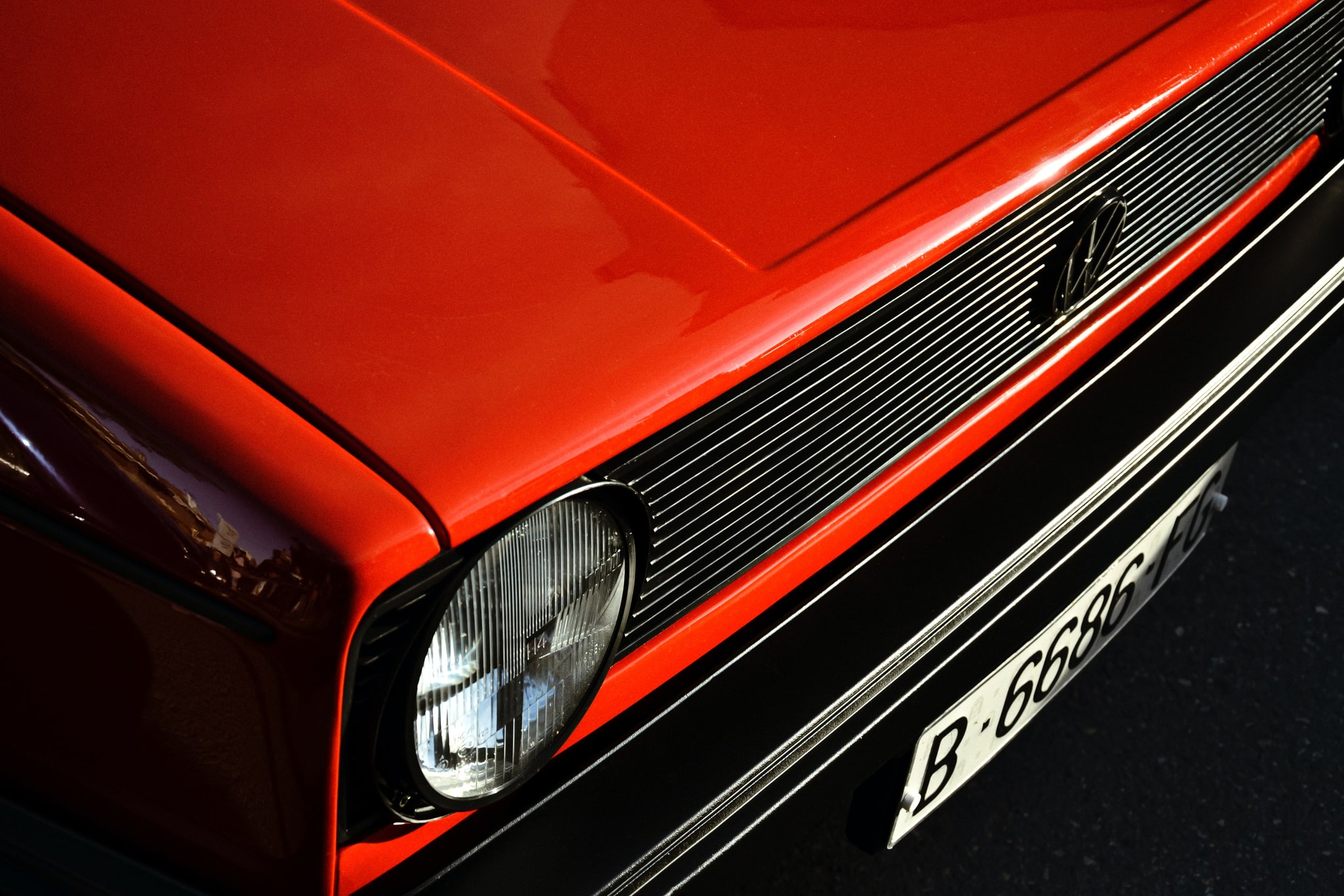
Subscribe to our MECATECHNIC newsletter