



























Your vehicle
No vehicle selected
Identify yours to refine your search results

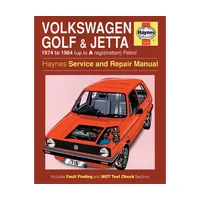
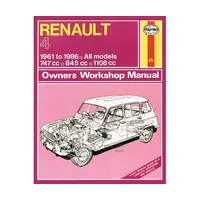
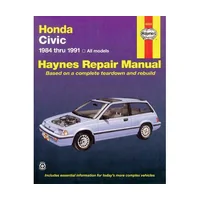
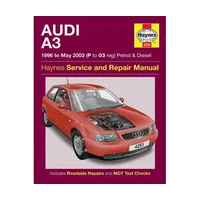
For a classic car, the technical manual is not just a convenience: it provides the tightening torques, clearances, wiring diagrams and disassembly sequence – information that no video can replace. The range covers workshop manuals for classic cars and ‘youngtimers’, in both French and English.
Read more
207 Results
sort by
Only 2 left in stock
Only 1 left in stock
Only 1 left in stock
Only 1 left in stock
Only 2 left in stock
Only 1 left in stock
Only 1 left in stock
Only 5 left in stock
Only 2 left in stock
Only 1 left in stock
Only 1 left in stock
Only 2 left in stock
Only 1 left in stock
Only 2 left in stock
Only 2 left in stock
Only 1 left in stock
Only 1 left in stock
Only 2 left in stock
Only 2 left in stock
Only 1 left in stock
Only 1 left in stock
Only 1 left in stock
Only 1 left in stock
Only 3 left in stock
Only 1 left in stock
Only 1 left in stock
Only 1 left in stock
Only 1 left in stock
Only 1 left in stock
Only 1 left in stock
Only 1 left in stock
Only 1 left in stock
Only 1 left in stock
Only 2 left in stock
Only 2 left in stock
Only 1 left in stock
A workshop manual is not a general maintenance guide. It focuses on a specific model and production period, and contains information that no general source provides.
Forums and videos are excellent for specific procedures and for tips that manuals never mention. They have two limitations. They almost never provide specifications, torques, clearances and pressures, and what they do say cannot be verified. And they often describe a version similar to yours, without specifying this.
The manual offers the opposite: a verifiable, comprehensive and consistent reference, which also covers procedures that nobody has filmed. In practice, the two complement each other: the video shows the action, the manual gives the figures. And a manual remains readable even with dirty hands, under the car, without a mobile signal.
The classic mistake is to buy the manual at the same time as the parts, or afterwards. Read beforehand, it tells you what the removal process actually requires: single-use seals and clips, the fluid you’ll need, the specific tool without which you’ll be stuck, and the time you’ll need to set aside.
This is what prevents you from leaving the car on jack stands whilst waiting for a ten-euro part that you could have ordered along with the rest. On a restoration project, where lead times matter more than the price, this foresight is well worth the cost of the manual.