


Your vehicle
No vehicle selected
Identify yours to refine your search results
Read more
10 Results
sort by
Only 2 left in stock
In stock
Only 3 left in stock
Only 2 left in stock
In stock
On order, from 10 days
On order, from 10 days
On order, from 17 days
On order, from 14 days
These three headlamps look similar from the outside. It is the shape of the lens and the design of the reflector that determine the beam pattern, not the diameter or the wattage.
Two additional headlamps consume as much power as the two original main beam headlamps. Tapping into the existing wiring harness causes a drop in voltage: everything is less brightly lit, the switch overheats, and in an older vehicle this is the classic cause of a wiring harness melting behind the dashboard.
The correct installation involves a relay powered directly from the battery, with its fuse fitted as close as possible to the power tap; the original switch is then used solely to control the relay coil. The cable cross-section must be calculated to suit the length and current, and the earth connection must be properly secured: on an older car body, an earth connection taken from a painted panel is enough to cause a one-volt drop. A ready-to-fit wiring kit avoids all this, and costs less than having the wiring harness re-wired.
A long-range headlamp is legally classified as a main-beam headlamp. It must therefore only be switched on when the main-beam headlamps are on and switched off when they are, which is precisely what a relay-controlled system enables. Switching it on whilst the dipped-beam headlamps are on constitutes a traffic offence and, more importantly, is guaranteed to dazzle other road users.
The number of full-beam headlamps a vehicle may carry, their positioning in terms of height and width, and the type-approval markings on the headlamps are governed by the Highway Code. These rules are subject to change and vary from country to country: check the current legislation before fitting them, and retain the headlamp’s type-approval markings, as this is what an inspector will check. A headlamp without a type-approval mark, or fitted in excessive numbers, is grounds for failure at the roadworthiness test.
A headlamp reflector is designed around a specific light source: the exact position of the filament within the bulb determines the shape of the beam. Replacing a halogen bulb with an LED source of a different geometry in the same reflector results in a whiter, more diffuse light that often has a shorter range, with glare at the sides.
In a high-beam headlamp, where the whole point is the concentration of the beam, the loss is particularly noticeable. If you want to use LEDs, it is better to use a headlamp designed for them from the outset than a replacement bulb in an old reflector. Moreover, the headlamp’s type-approval mark covers the reflector and light source as a single unit: changing it alters what has been type-approved.
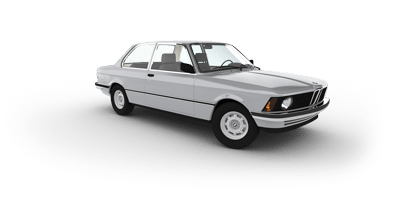
Consult the details of the engine variants, chassis and versions offered for this model


