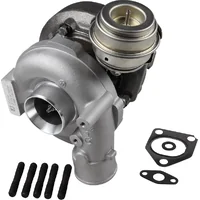




















New turbocharger without exchange, no return for your old part,
For X5 (E53): - 3.0 d M57 The following precautions are to be taken when replacing a Turbo charger: - The oil circuit must be cleaned to ensure that any residues that may block the circuit are removed - The oil and oil filter must be replaced - The oil intake and return pipes must be checked and cleaned - The air hoses and breather must also be checked - With the help of a syringe, feed oil into the turbo via the oil inlet, then start the turbine manually. - Once the new turbo is fitted, start the engine and let it tick over for 10 minutes. Before stopping the engine, let it tick over for a few seconds (do not accelerate brusquely before turning off)
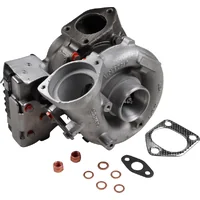
New turbocharger without exchange, does not require the return of your old part,
For X5 (E53): - 3.0 d M57N with particulate filter (DPF) The following precautions are to be taken when replacing a Turbo charger: - The oil circuit must be cleaned to ensure that any residues that may block the circuit are removed - The oil and oil filter must be replaced - The oil intake and return pipes must be checked and cleaned - The air hoses and breather must also be checked - With the help of a syringe, feed oil into the turbo via the oil inlet, then start the turbine manually. - Once the new turbo is fitted, start the engine and let it tick over for 10 minutes. Before stopping the engine, let it tick over for a few seconds (do not accelerate brusquely before turning off)
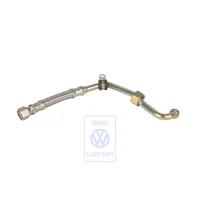
This oil pipe line stop is a new part designed to ensure the retention and sealing of the oil circuit. As part of the restoration or maintenance of a classic vehicle, replacing this component helps preserve the integrity of the lubrication circuit and prevent any leaks that could compromise proper engine operation. Its installation allows you to restore operating conditions that comply with original specifications. An essential part for any enthusiast concerned with keeping their vehicle in perfect working order.
This turbocharger is a new part designed for the restoration and maintenance of classic vehicles. It ensures the supply of compressed air to the engine, thereby contributing to proper operation and performance of the engine assembly. Its replacement becomes necessary when the original turbocharger shows signs of wear, leakage or mechanical failure. An essential part to restore the vehicle's original operating characteristics.