












Your vehicle
No vehicle selected
Identify yours to refine your search results
No vehicle selected
Read more
11 Results
sort by
Only 3 left in stock
Only 4 left in stock
Only 1 left in stock
Only 2 left in stock
Only 2 left in stock
Only 1 left in stock
On order, from 15 days
On order, from 15 days
In stock
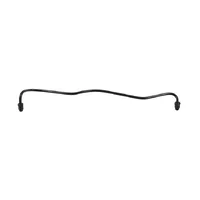
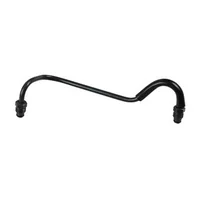
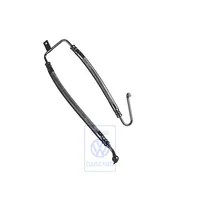
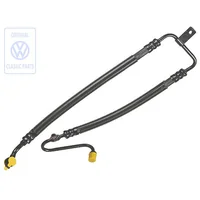
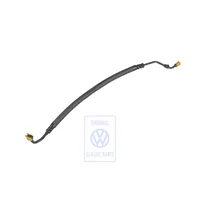
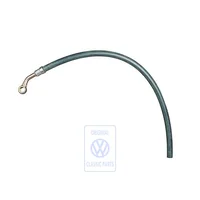
A return hose fitted in place of a high-pressure hose will burst. The reverse is possible but unnecessarily expensive. Identify the section before looking for the part.
In all these cases, the hose costs a fraction of the price of a pump. It’s best to start there, especially as a pump running dry or with air in the system will eventually wear out completely: a leak left untreated will lead to the breakdown you were fearing.
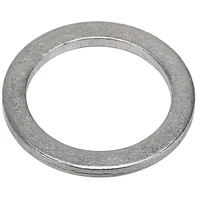
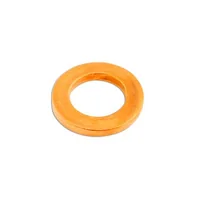
Make sure you have new seals for the banjo fittings: they are single-use, and reusing them is what causes leaks even in a brand-new part.
Any opening in the circuit allows air to enter, and a pump that draws in air will quickly fail. Bleeding is therefore the final step, not an option.
With the engine switched off, fill the reservoir with the oil specified for installation, then slowly turn the steering wheel from one stop to the other several times, with the wheels off the ground, topping up the level each time. Then start the engine and repeat the process gently, without holding the steering wheel at either stop for more than a few seconds, until the foam disappears from the reservoir and the whining sound stops. Check the level when the engine is cold the following day: it always drops slightly as the remaining air escapes.
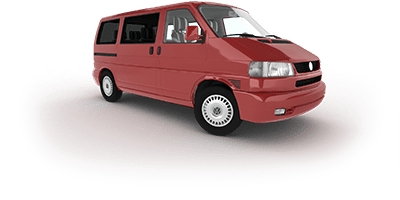
Consult the details of the engine variants, chassis and versions offered for this model