Your vehicle
No vehicle selected
Identify yours to refine your search results
No vehicle selected
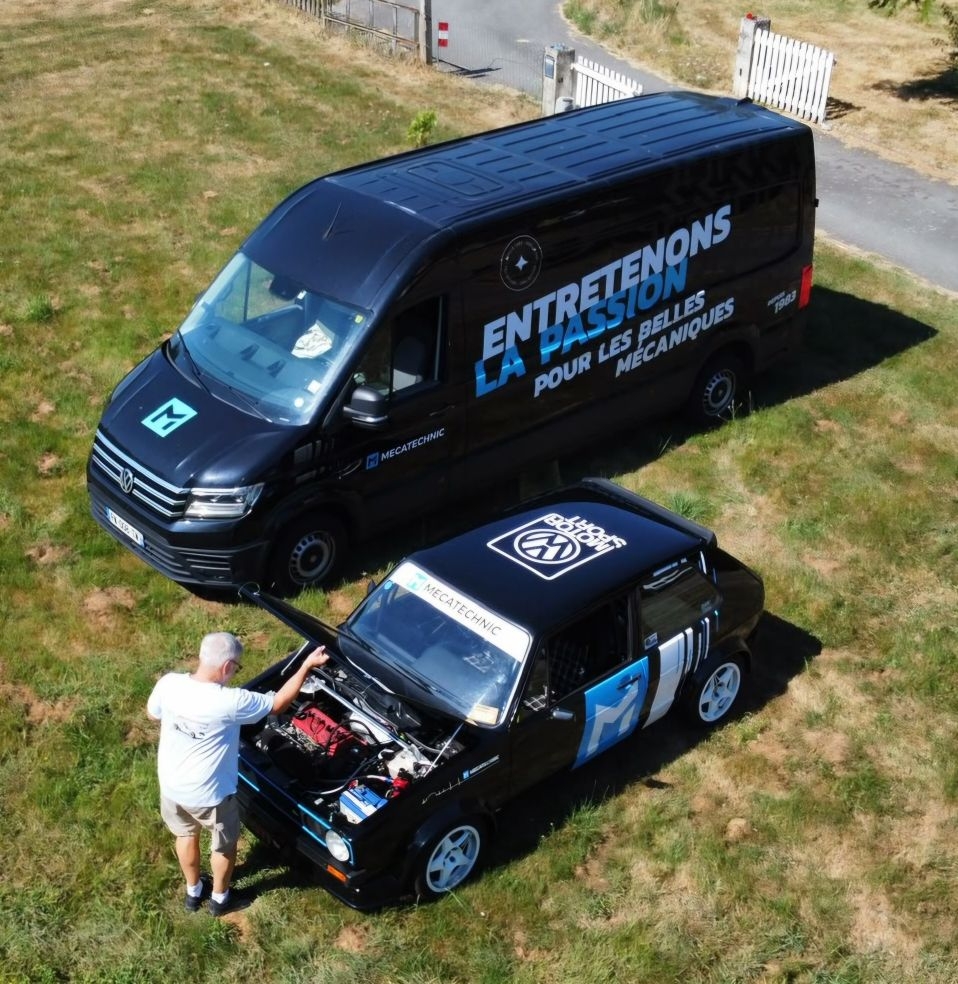
In 2026 the Golf GTI turns 50. To mark the anniversary, the Mecatechnic team went to meet Harald, a Normandy enthusiast whose collection traces part of the story of Volkswagen's legendary sporting compact.
07/10/2026
Cyril
8 minutes read
Volkswagen
Volkswagen Golf 1
In 2026 the Golf GTI turns 50. To mark the anniversary, the Mecatechnic team went to meet Harald, a Normandy enthusiast whose collection tells part of the story of Volkswagen's legendary sporting compact, the original 'hot hatch'.
Before the Golf, there was air-cooled. Harald first fell for air-cooled Volkswagens — Beetle, Camper — before buying, some thirty years ago, his first Golf 1 GTI, a 1979 model. It was a revelation: a small, quick car that's pleasant in town and on the open road, and that he's used almost every day. One thing led to another, and one car brought another, until he'd owned five Golf 1 GTIs at the same time, among the model's earliest years: a '77, a '78 and a '79.
When he started taking an interest, the GTI didn't yet have the 'Youngtimer' status it's known for today. Harald's something of a pioneer, having backed these first generations early on; they're now seen as the most desirable by collectors.

Harald shares a few valuable pointers for identifying the very first Golf GTIs. The 1976 to 1978 model years have small bumpers and small tail lights, the same size as the cabriolets'. The 1979 model year brought in the large bumper while keeping the small tail lights.
It wasn't until autumn 1980 that the large tail lights appeared. The very first GTIs, with small bumpers and small tail lights, ran exclusively with a 4-speed gearbox; the 5-speed didn't arrive until the 1980 model year, already with large bumpers but still with small tail lights.
On the road, these early GTIs stand out for very direct steering and a characteristic behaviour in tight corners: the inside rear wheel lifts slightly, a signature well known to the enthusiasts who'd see it in the hairpins of hill climbs.
Braking, on the other hand, remains these early models' weak point: small pads at the front and drums at the rear, not very durable for the 1600 engine's 110 horses.
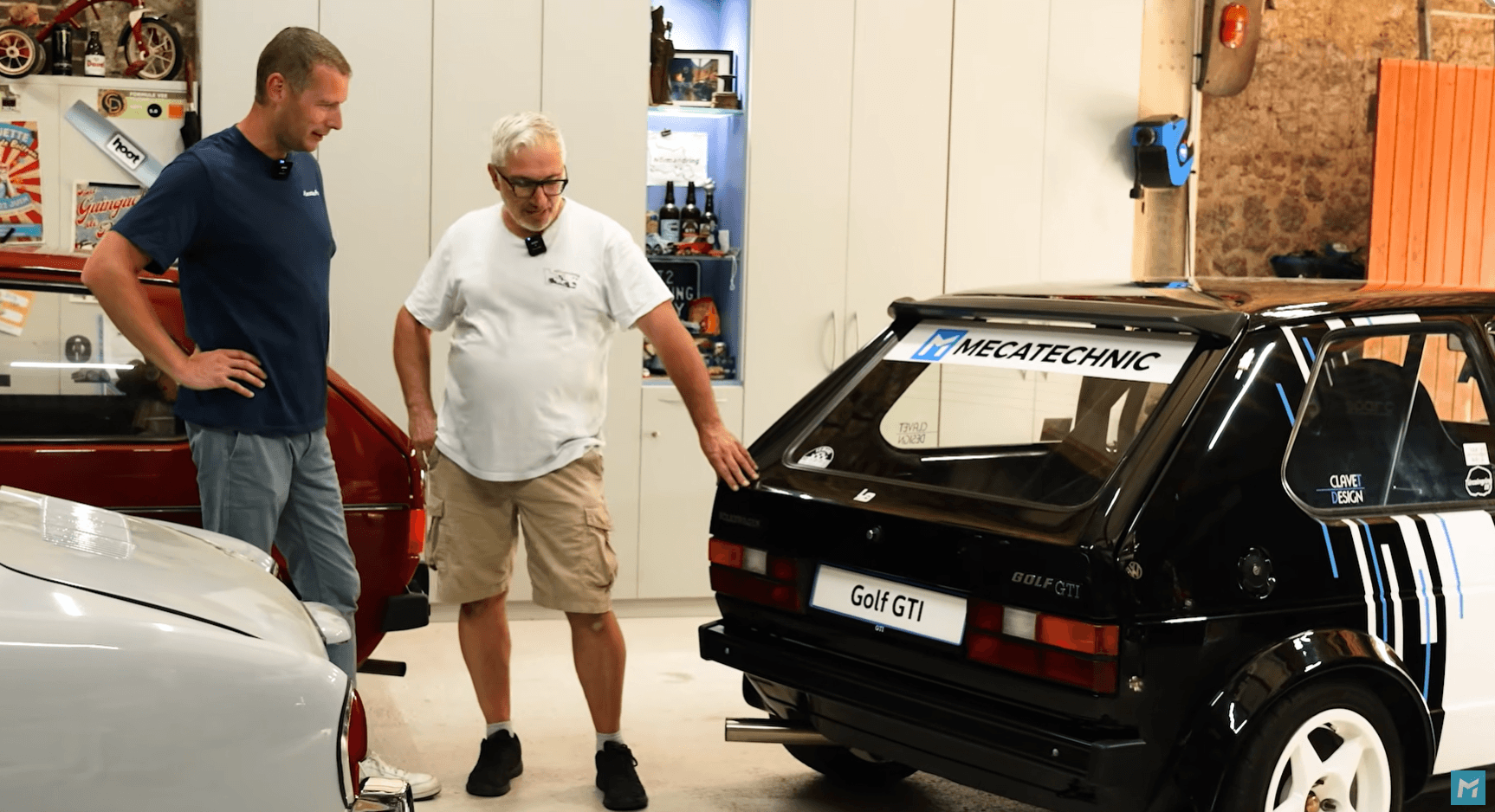
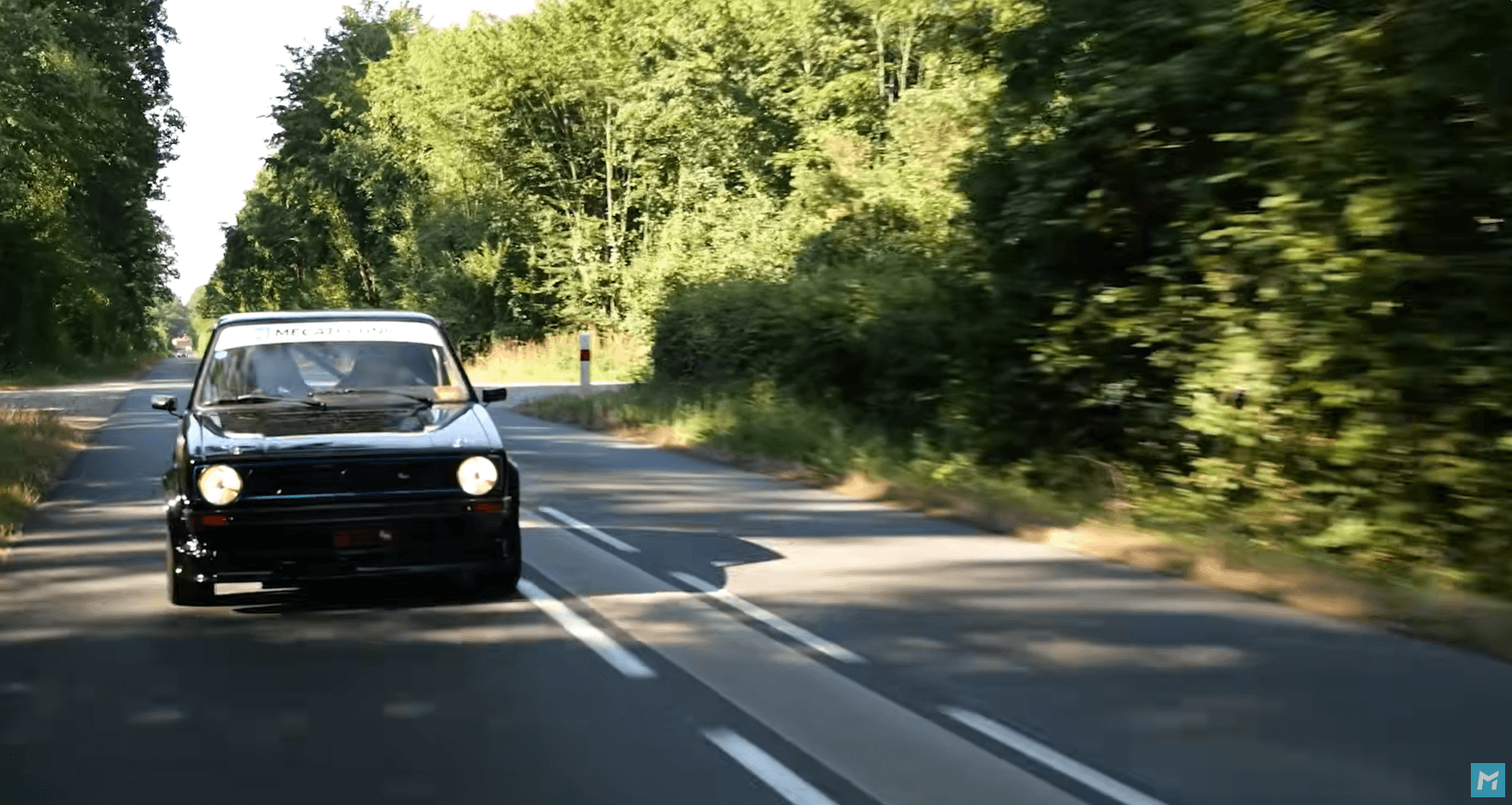
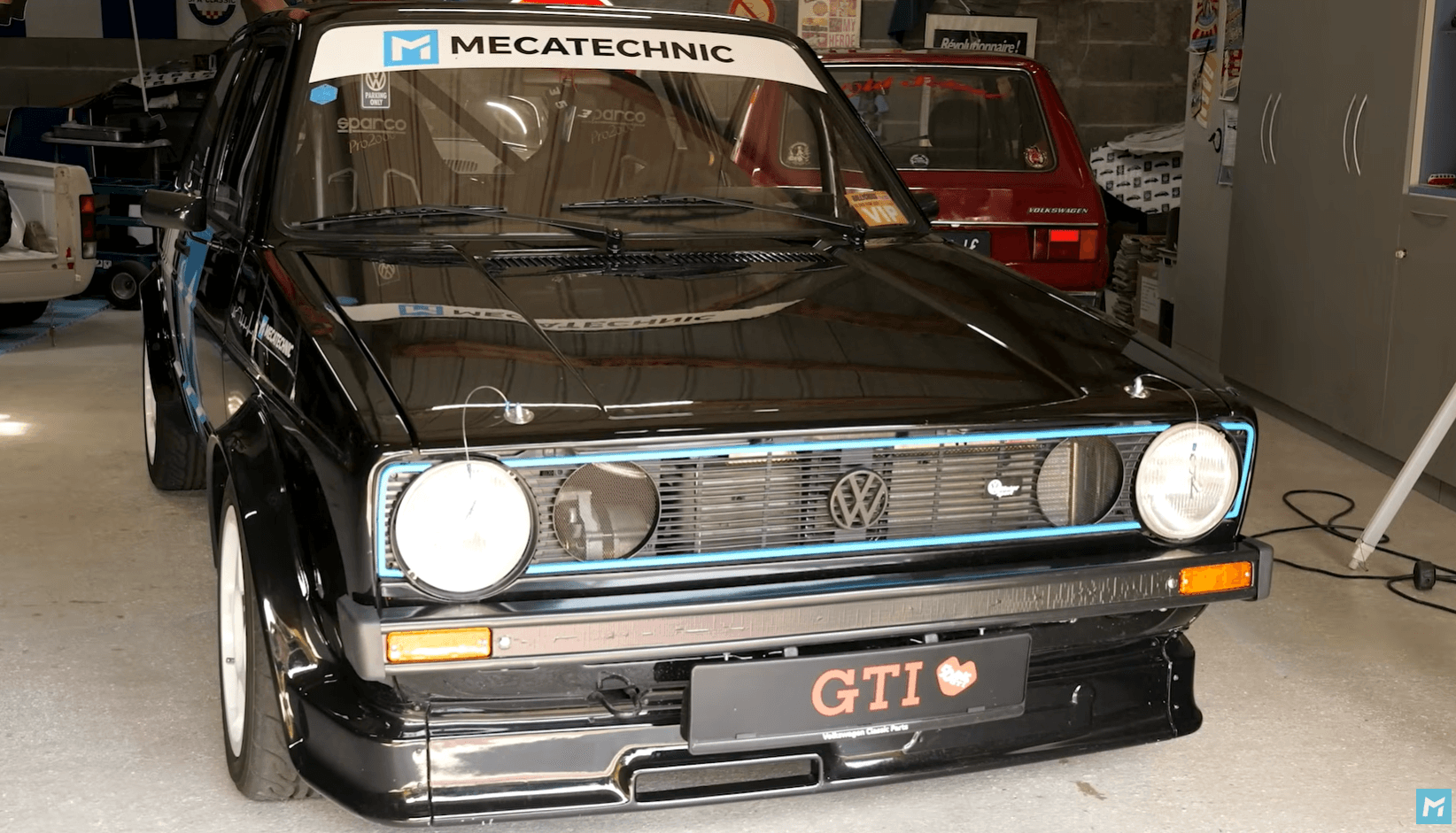
The centrepiece of the visit is a 1983 Golf GTI, literally designed for the track. As built, it didn't even have bumpers — weight saving ('light is right') taking priority over everything else.
Harald chose to fit old small bumpers, lighter than the original U-shaped bumpers of this generation, for a look he finds more harmonious with the arch extensions.
A delightful touch: this car was bought from a friend who's a specialist in preparing Golf 1 GTIs. Stéphane H., who'd designed this car for the track, did the lion's share of the work, and Harald then took the baton, adding his own touch to make it truly 'his'.
A nod to another of the most legendary GTIs: the grille's aluminium strips are painted blue, a discreet tribute to the legendary Golf 2 16S G60, built in very small numbers and considered the Holy Grail of the next generation.
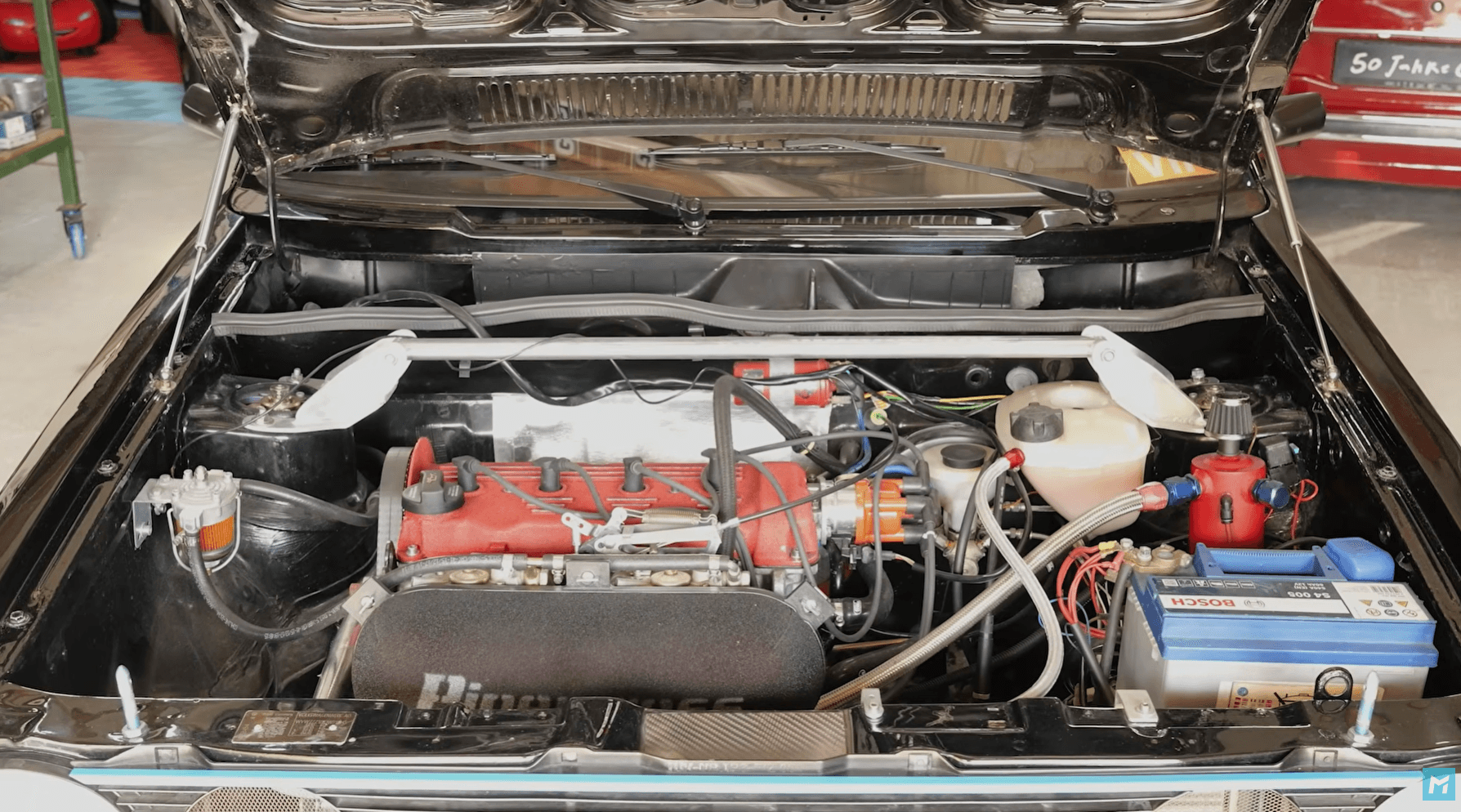
Under the bonnet, the engine neatly shows the 'patchwork' spirit the period's tuners loved:
Among the other vehicles in the collection is an even older Golf: a 1974, one of the very first examples built; the birth certificate from Volkswagen's museum in Wolfsburg gives its birthday as 4 September.
Sold in France in spring 1974, it has a body quirk that's specific to the first two model years: a step in the line between the tail lights.
Nicknamed the 'swallowtail' in enthusiast jargon, this feature (and there're others) was dropped as early as 1976 in favour of a straight line.
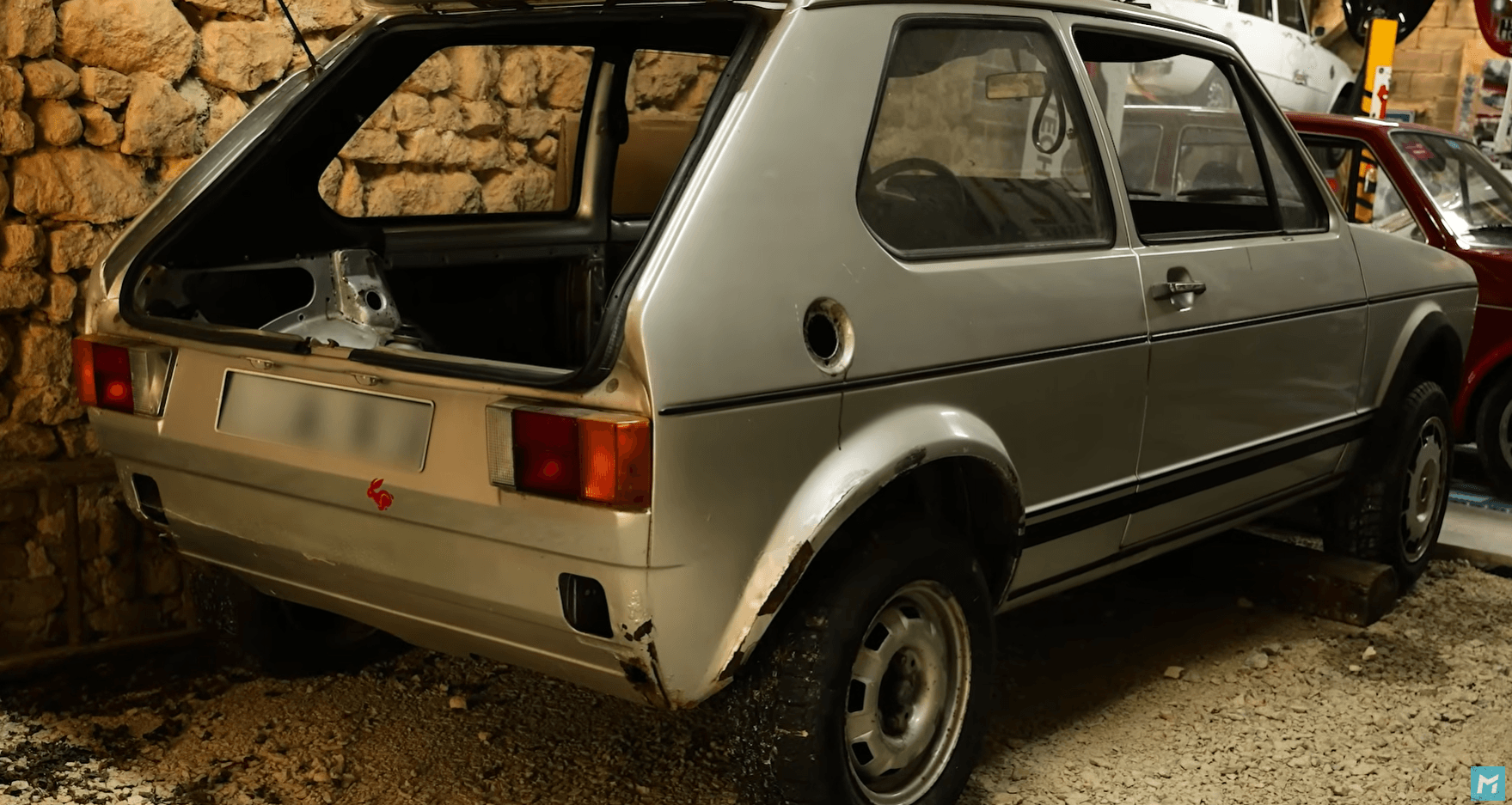
Among Harald's Golfs, tucked in a corner of the garage, is a 1978 Golf 1 GTI he's kept for fifteen to twenty years and that he's earmarked for a complete, original-spec restoration — the 13-inch steel wheels included.
He kept it specifically because it's never had an aftermarket sunroof fitted, unlike many models of the period that had the famous Britax roof installed by Sudauto.
The job won't be a small one: the first Golf 1s suffered from inadequate rust protection, a problem made worse by the arch extensions that trap damp and mud, eventually attacking the fuel filler neck.
The 1600 GTI engine and its original K-Jetronic injection will also need a full overhaul: it's an efficient system when it's in good condition, but complex and sensitive to impurities and rust.
In Harald's view, these cars aren't meant to sleep in the garage: they're cars to live with, to use all year round. Today's availability of restoration parts (bodywork panels, tanks, filler necks...) and the existence of good K-Jet specialists mean they can be given a sound base that'll keep them driving.
This visit, carried out under a lovely Normandy sun, showed just how much the Golf GTI, 50 years after its launch, still brings together a community of enthusiasts ready to devote time, know-how and devotion to preserving — and sometimes reinventing — this automotive icon.
At Mecatechnic, we're proud to support these enthusiasts every day and we're already looking forward to following the rebirth of this 1978 Golf 1 GTI back to its original condition. To be continued!
Cyril
Directeur Général MECATECHNIC
Previous article
ToolAtelier: Professional Tools Designed for Your Workshop
Next article
BMW 3 Series E30 and E36: owners' stories
Similar articles
The Golf 1: the most famous compact of all
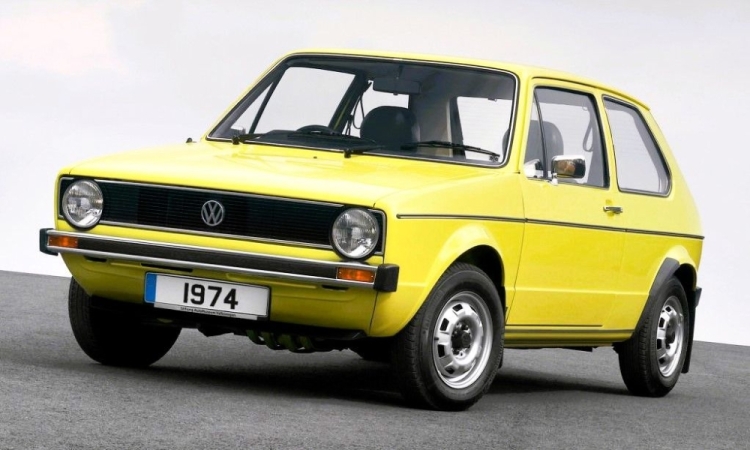
An icon of the 70s, the Golf 1 embodies Volkswagen's modern turning point: compact, stylish, reliable… and ready to make history.
Read the article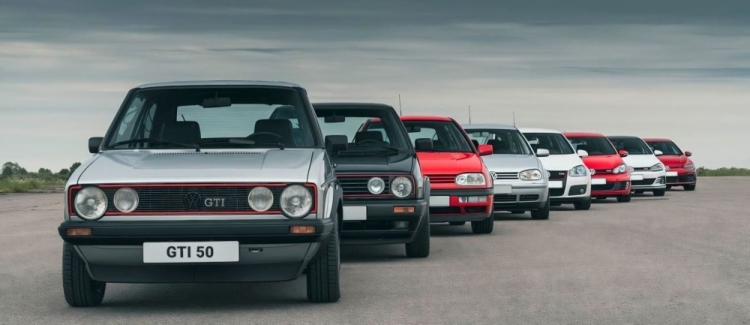
The GOLF GTI saga: 50 years of a legend
From 1976 to 2026, the Volkswagen Golf GTI celebrates 50 years of performance and passion. A look back at every generation, from the Mk1's 110 hp to the 325 hp of the Edition 50.
Read the article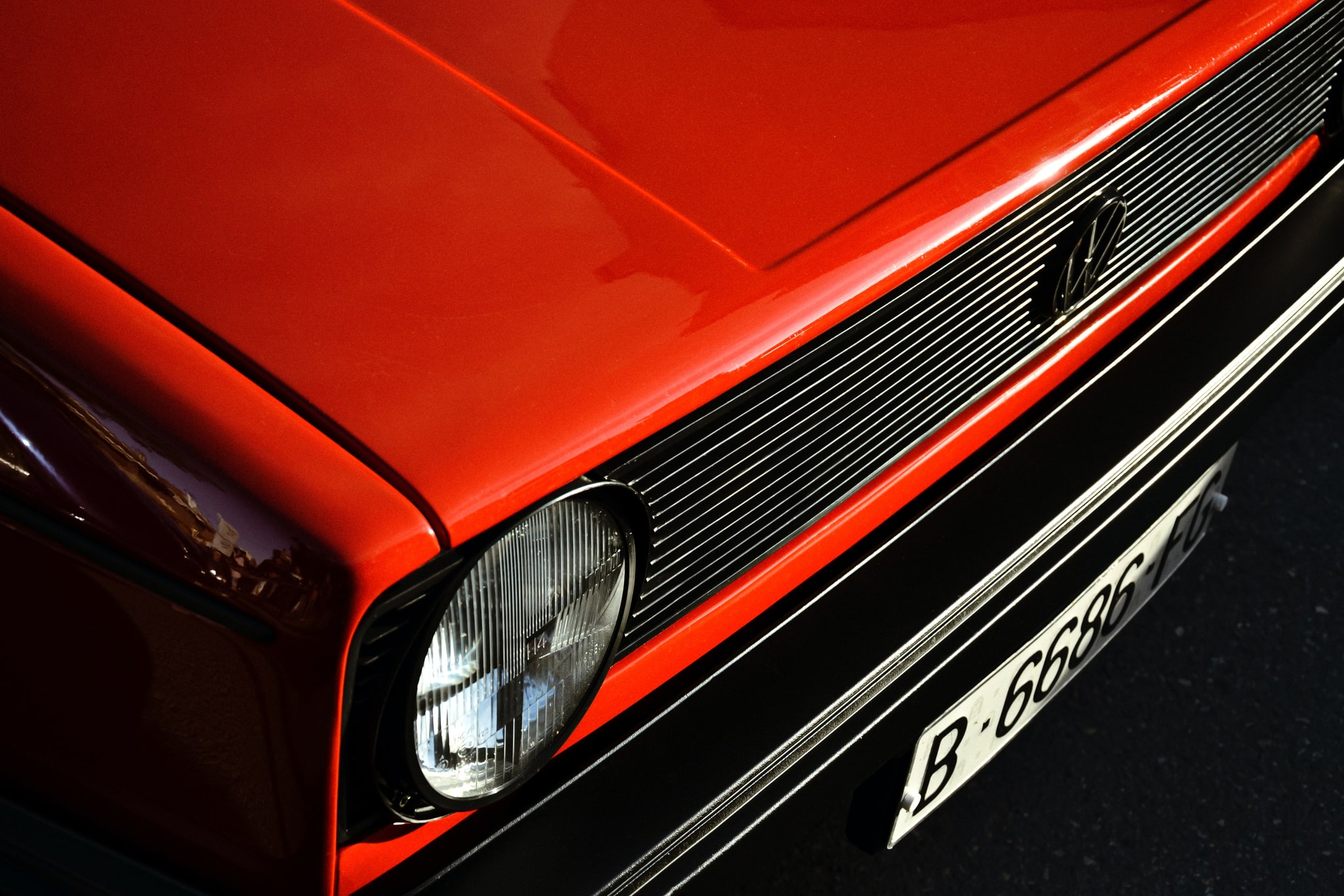
Subscribe to our MECATECHNIC newsletter