Your vehicle
No vehicle selected
Identify yours to refine your search results
No vehicle selected
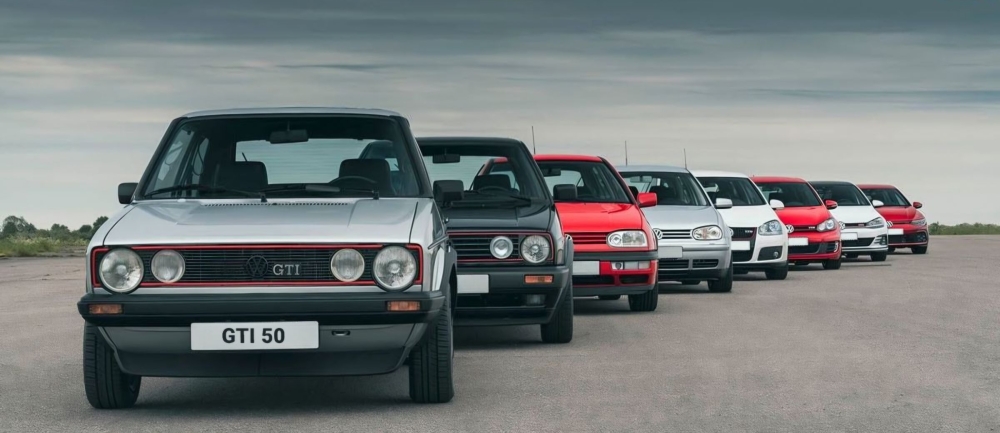
From 1976 to 2026, the Volkswagen Golf GTI celebrates 50 years of performance and passion. A look back at every generation, from the Mk1's 110 hp to the 325 hp of the Edition 50.
23/03/2026
Harald
15 minutes read
Volkswagen
Volkswagen Golf 1
Volkswagen Golf 2
Volkswagen Golf 3
50 years … 2026 marks a jubilee, that of the Golf GTI.
G T I: three letters that have become a symbol in their own right, synonymous with performance and liveliness.
The effects of this cure for the blues are long-lasting. The recipe has evolved but the GTI's DNA remains the same. The Golf GTI is not a car like any other; it distils a subtle fragrance of passion, sensations and emotions at every corner. What a joy it is to be behind its wheel.
To better understand the scale of the GTI phenomenon, let's dwell a little on the first one, the one that started it all.
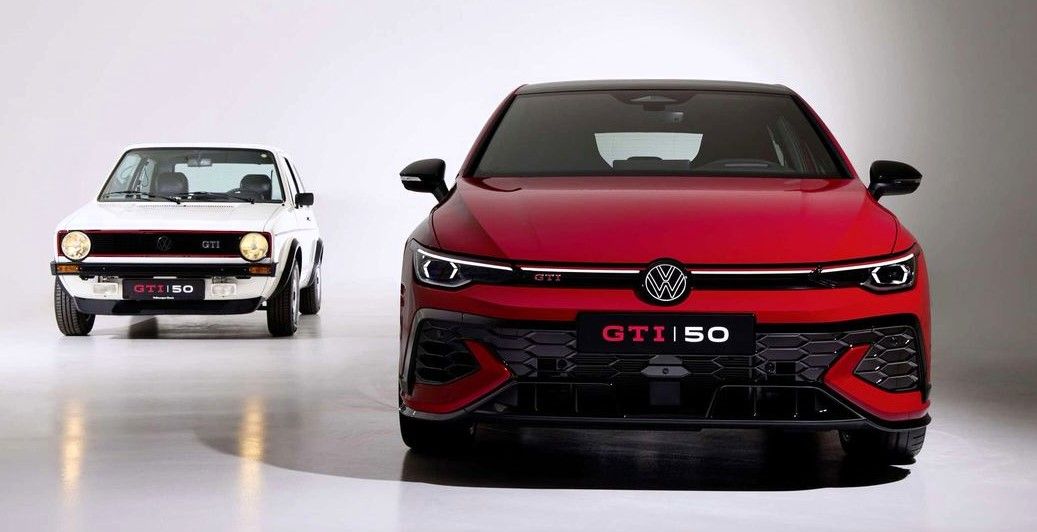
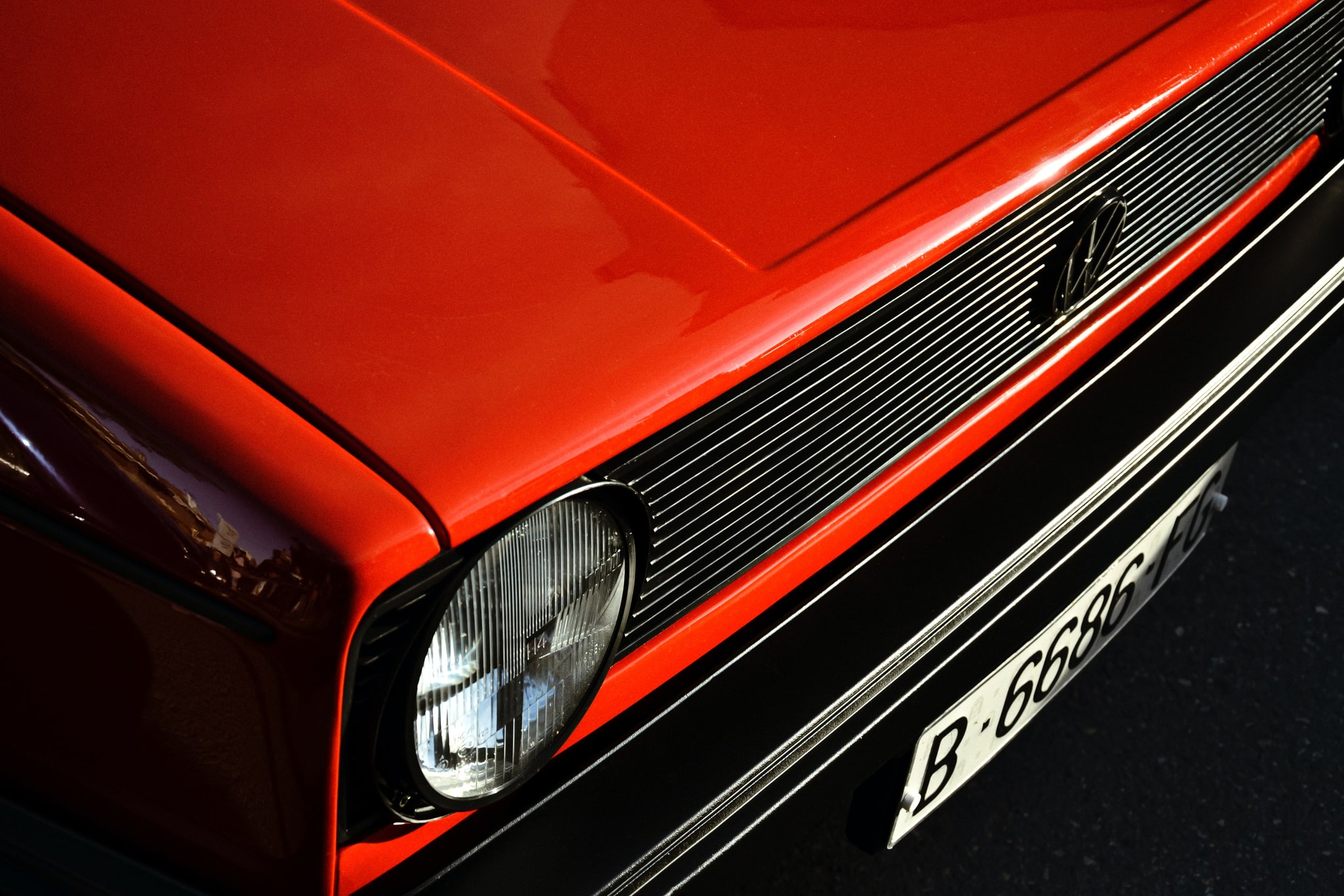
The Golf 1, the car that would take Volkswagen into the modern era of motoring, arrived at dealerships in spring 1974. It was a revolutionary VW, the opposite of its iconic elder, the Beetle. It was a success and very quickly the Golf 1, which seemed underpowered compared with its dynamic abilities, gave ideas to a handful of engineers who worked under the radar on a sporty version of the little One. They took the engine from the Audi 80 GT and GTE cousins: a 1600, fitted with BOSCH K-Jetronic injection. Equipped like that, the rabbit turned into a hare and went from 70 to 110 hp.
With this unofficial swap, these ingenious engineers would later realise that they had just invented a new genre, summed up in 3 letters: G T I, for Grand Tourisme Injection.
Thanks to them and to the Wolfsburg giant that signed off the production, a new segment appeared in 1976, that of small sporty compacts.
Planned as a run of just 500, then 5,000, the Golf 1 GTI was eventually built in nearly 462,000 units between 1976 and 1983!
The Golf 1 GTI went from 1600 to 1800 in 1983, before taking its bow, with 112 hp but above all more torque and therefore driving pleasure. An exceptional 16-valve version of the 1600 GTI (136 hp) had been ordered from the German engine specialist Oettinger by VW France; a run of 1,250 examples … only. The grail of GTIs.
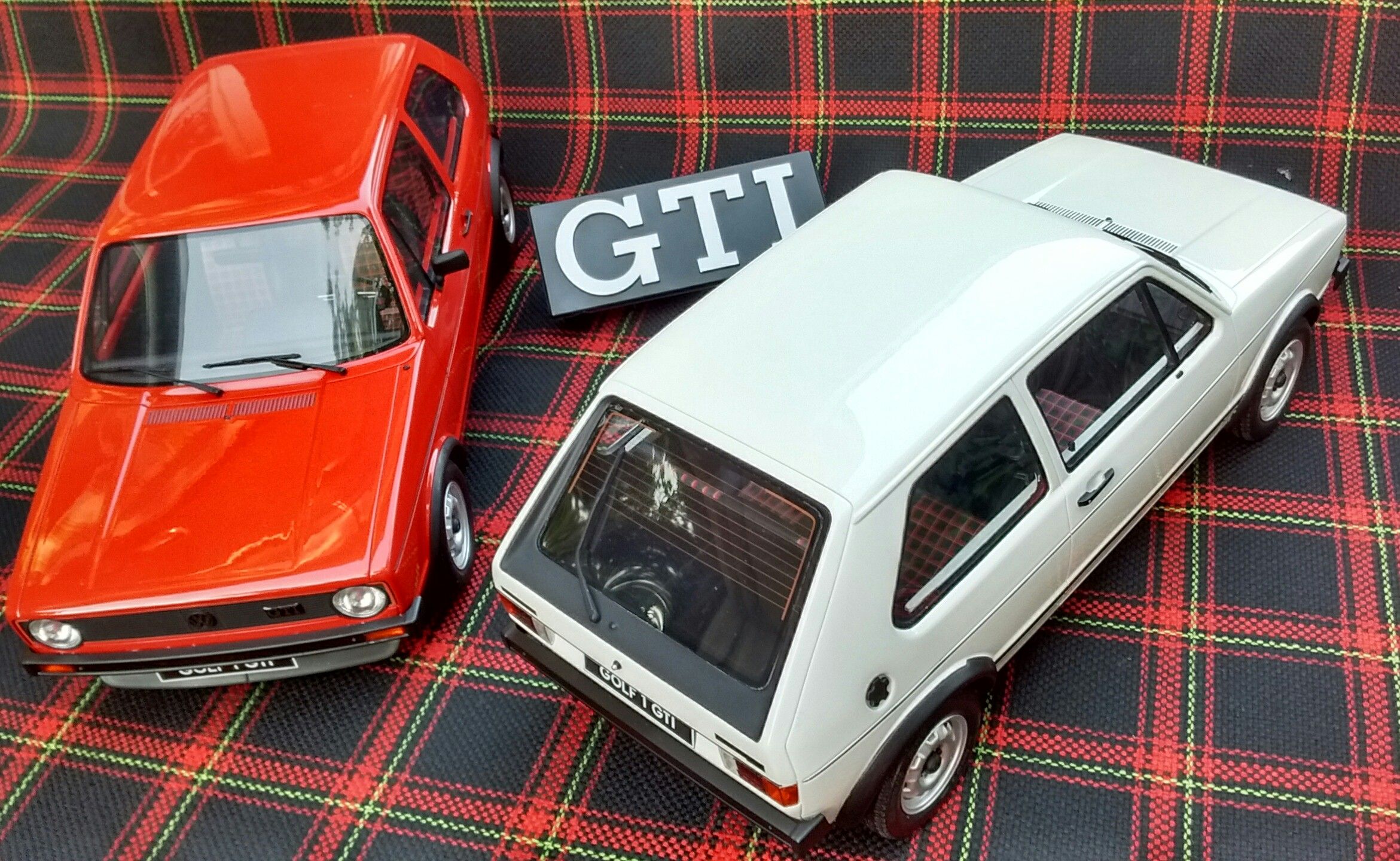
And the GTI is not just an engine, it is also a look, a sporting elegance.
From the outside, a GTI is set apart from a simple Golf by its red-lined grille, its badges, its wheel arch extensions and front spoiler, its side stripes and its slightly more hunkered-down stance. Open the door and you discover a sporty, understated and classy atmosphere. The 3-spoke steering wheel, the famous black golf-ball gear knob, the bucket seats, invite you to drive.
And what about the iconic Scottish tartan fabric that covers them? On its own, it remains the signature of the very first GTIs.
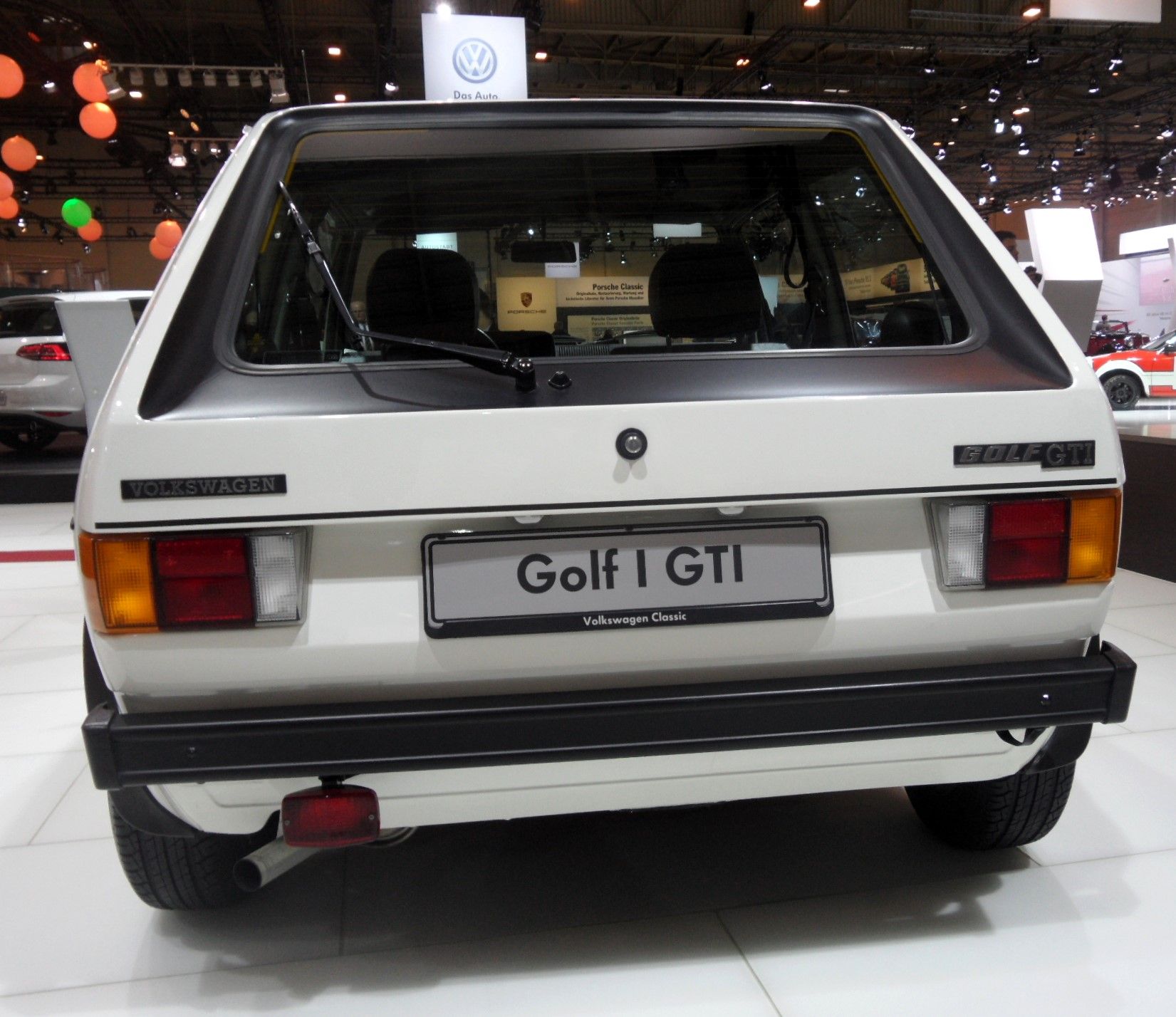
It was with the 1984 model year that the saga began its second phase. Buoyed by its success, the GTI line had to be renewed. And it was not easy for the 2 to succeed a One that had thrilled so many fans. Everyone expected better, a bit like in a family where the eldest is a doctor, you expect the second child to be a surgeon. At its launch, heavier but having kept its 112 hp 1800 engine, the GTI 2 disappointed its audience. It had rounded off slightly and lacked the verve to carry the 3 magic letters high; it was the first lull in the GTI saga.
The renewal expected for the GTI 2 finally arrived in 1986, in the form of a 16-valve head that freed this good old 1800 engine and gave it 139 hp. The Golf 2 GTI 16s set the record straight. The fans were delighted.
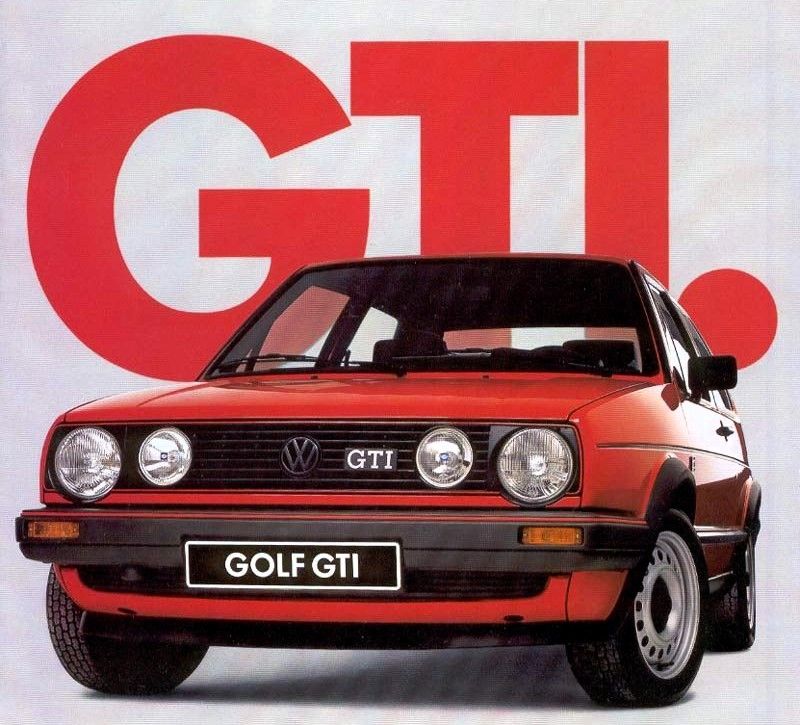
Act three: the infernal spiral took hold of the GTI and made it the GTI G60 in 1990.
The GTI became a steamroller and unleashed 160 horses to trample the competition; its very torquey engine is linear and the characteristic sound of its supercharger is bewitching.
Volkswagen managed to correct its aim and the surgical strike paid off: 628,000 Golf 2 GTIs were sold.
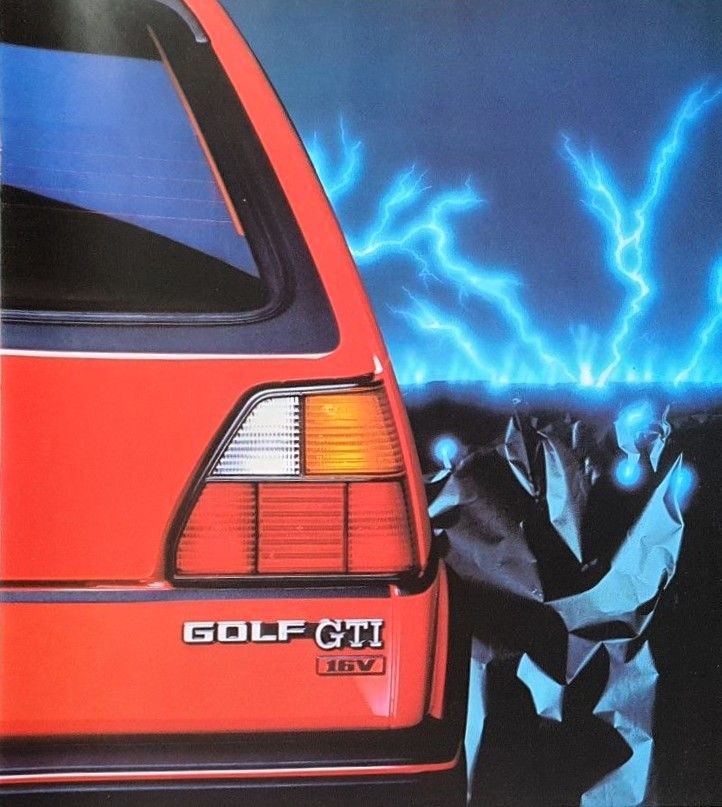
The competition had more than woken up and rushed into this new market that VW had struck gold with in 1976.
Everything suggested that the Wolfsburg wolf would come back with well-sharpened fangs to keep its dominant position in this high-profile GTI segment.
Well no… Volkswagen made the same mistake as with the GTI 2. The Golf 3 of 1992 is a car that, from having to evolve to keep up on comfort, grew in size and weight.
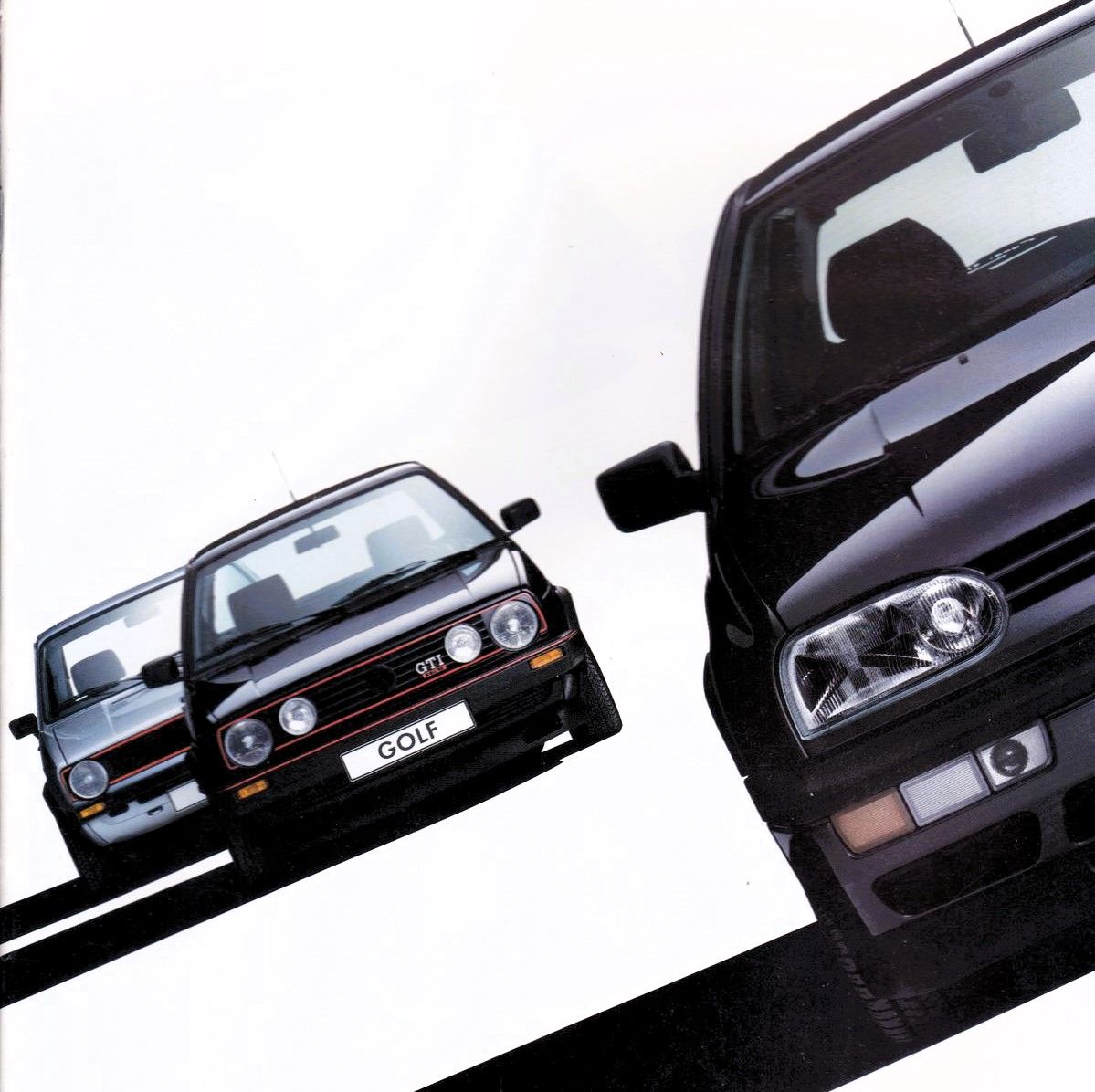
The German manufacturer unveiled a new GTI fitted with a 2.0L 8-valve engine, producing only 3 hp more than the last GTI 1 of 1983! 115 hp: unforgivable for the specialist press and for desperate customers howling at the Wolfsburg wolf.
VW therefore went back to the drawing board a year later, pulling its 16s head out of the cupboard and offering 150 hp to fans of the badge. Phew, crisis averted!
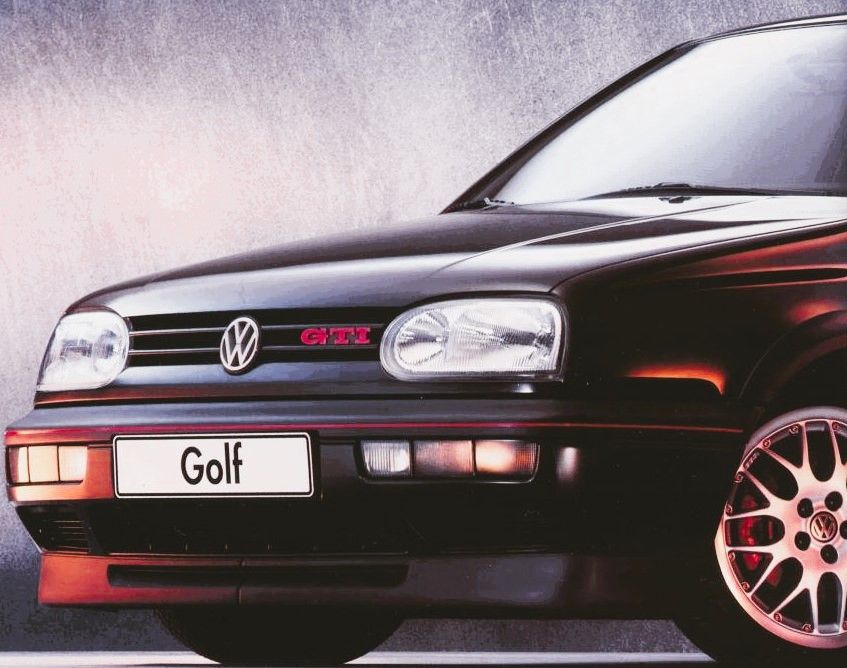
The Golf grew, put on weight and saw its equipment expand for the wellbeing of a clientele hungry for safety, comfort and economy.
We had left the GTI 3 and its 150 hp to discover in 1998 a Golf 4 GTI of … 150 hp.
You say to yourself: "haven't they learned from their mistakes yet?!". The modern sports car is made of compromises, you'll have to get used to it, my dear!
The GTI has always been a standard car onto which VW grafted sporting components, notably a more powerful engine; not the other way round. So, when the Golf gains in quality (and weight), the GTI follows the trend. When, on top of that, anti-pollution standards enter the equation, the race for power stays moderate.
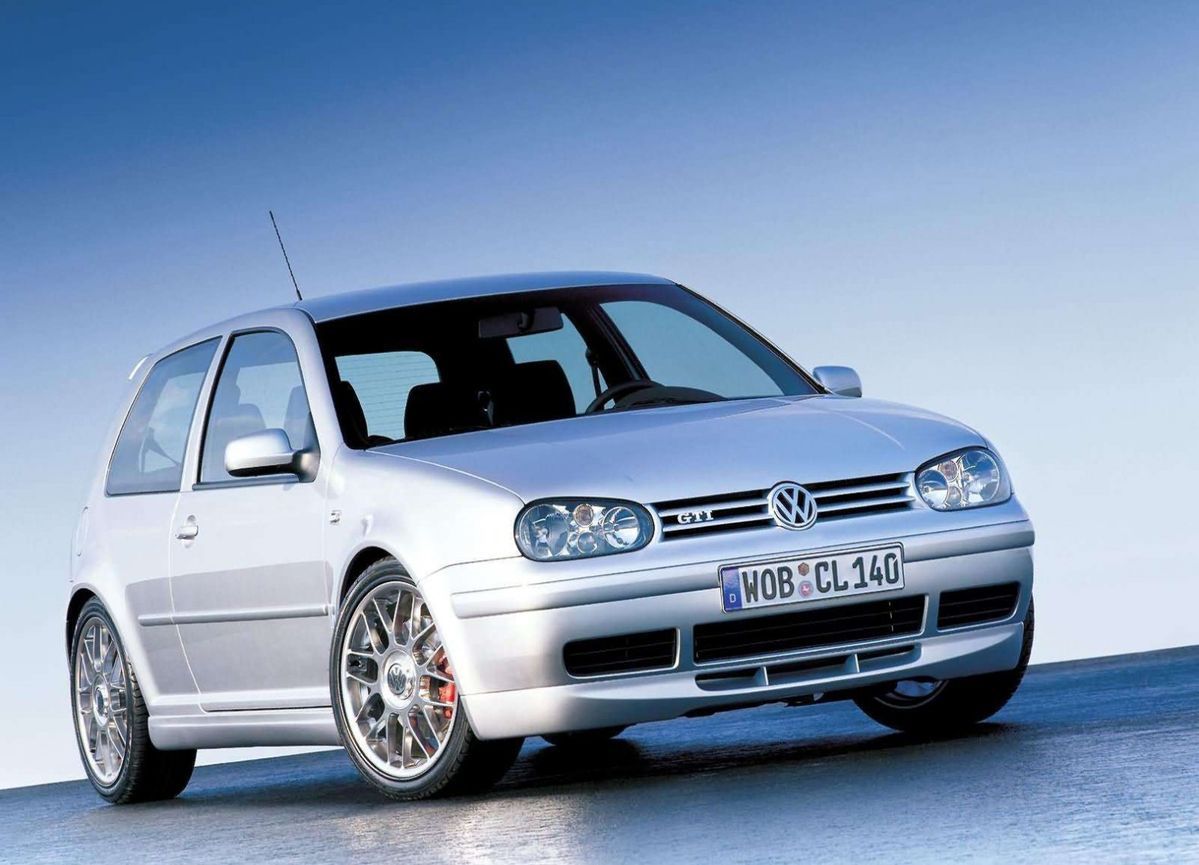
From the 2.0L, it went back to an 1800 engine but fitted with a head with 5 valves per cylinder (that is 20 in total on this 4-cylinder), the whole thing boosted by a KKK turbo. This engine, a guarantee of quality, is shared with the Audi TT, the A3 8L turbo, the A4 B6 and the A6 C5; it is called the "20-valve turbo".
It would be pushed to 180 hp, as with the cousins, but in 2002.
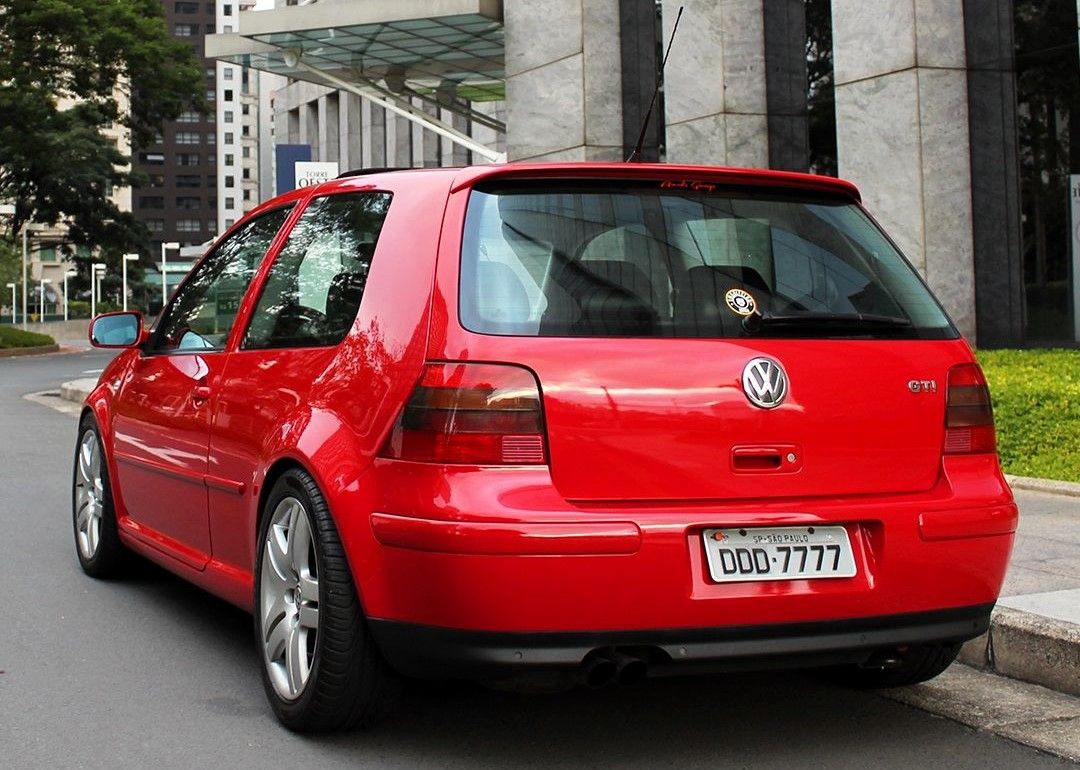
In 2004, with its fifth instalment, the GTI at last regained its health with an all-new 2.0L 16s turbo direct-injection engine: 200 hp and 280 Nm of torque at 1,800 rpm, the TFSI.
Enough to get this 1,412 kg mass moving quickly, weighed down a fair bit by its rich comfort and safety equipment.
The options list is as long as the level of trim is high.
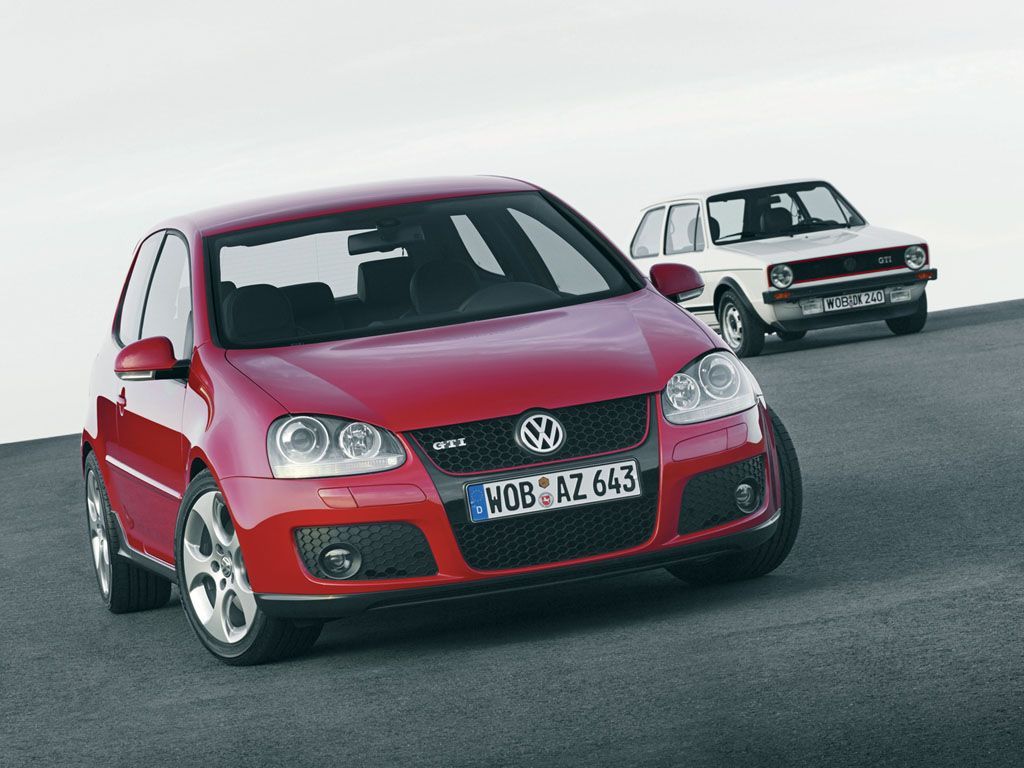
The GTI 5 is available with a 6-speed manual gearbox or with the capable and modern DSG6 dual-clutch gearbox and its steering wheel paddles.
Its look is more assertive, more dynamic and sporty; the Golf 5 GTI at last reconnected with its glorious forebear by bringing back the red-lined grille and the tartan fabric on its bucket seats.
The Pirelli and Edition 30 (30 years of GTI) limited editions would benefit from nods to the past and from an engine developing 230 hp taken from the Audi S3.
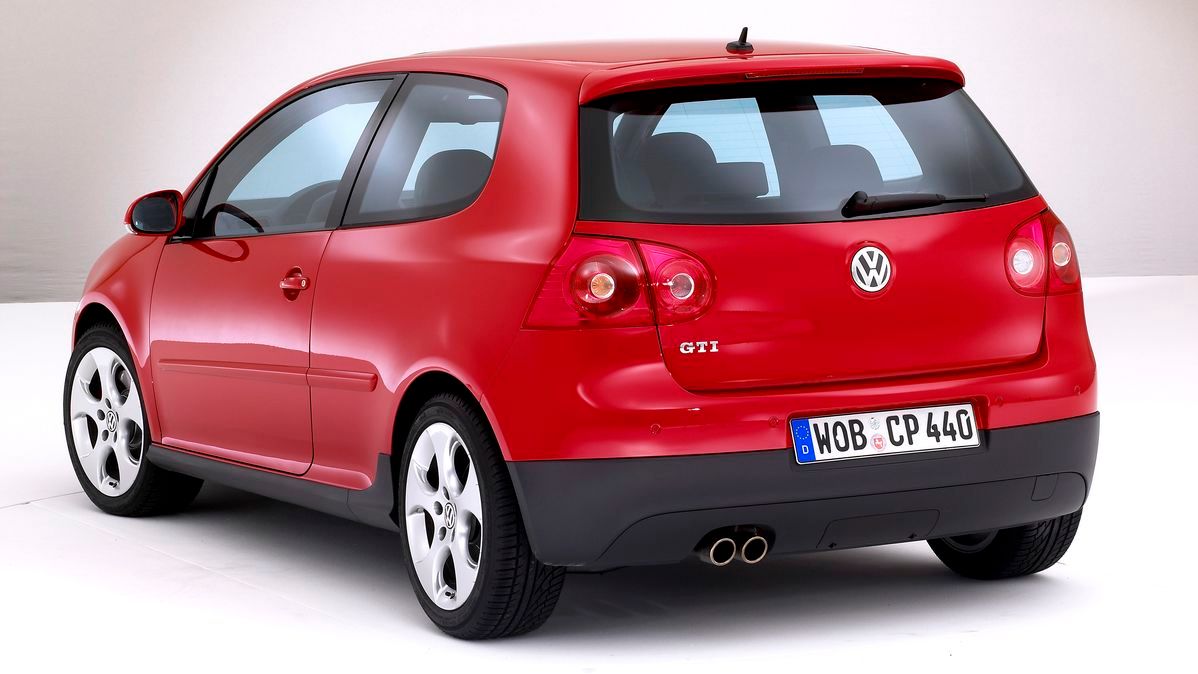
Once again, the step forward made with the 5 was too big and the new Golf GTI didn't follow, in late 2008.
Whereas the special editions that closed the GTI 5 adventure had 230 hp, the newcomer, which takes the same 2.0L TFSI engine, had to make do with 210 hp. It should be stressed that the Golf 6 GTI benefits from a 27 kg weight loss.
The GTI calmed down once again, while its lines had resolutely modernised and gained dynamism, suggesting it has plenty under the bonnet. The 35th anniversary limited edition (2011), the Golf 6 GTI Edition 35, would get the usual interior styling cues and above all an engine raised to 235 hp.
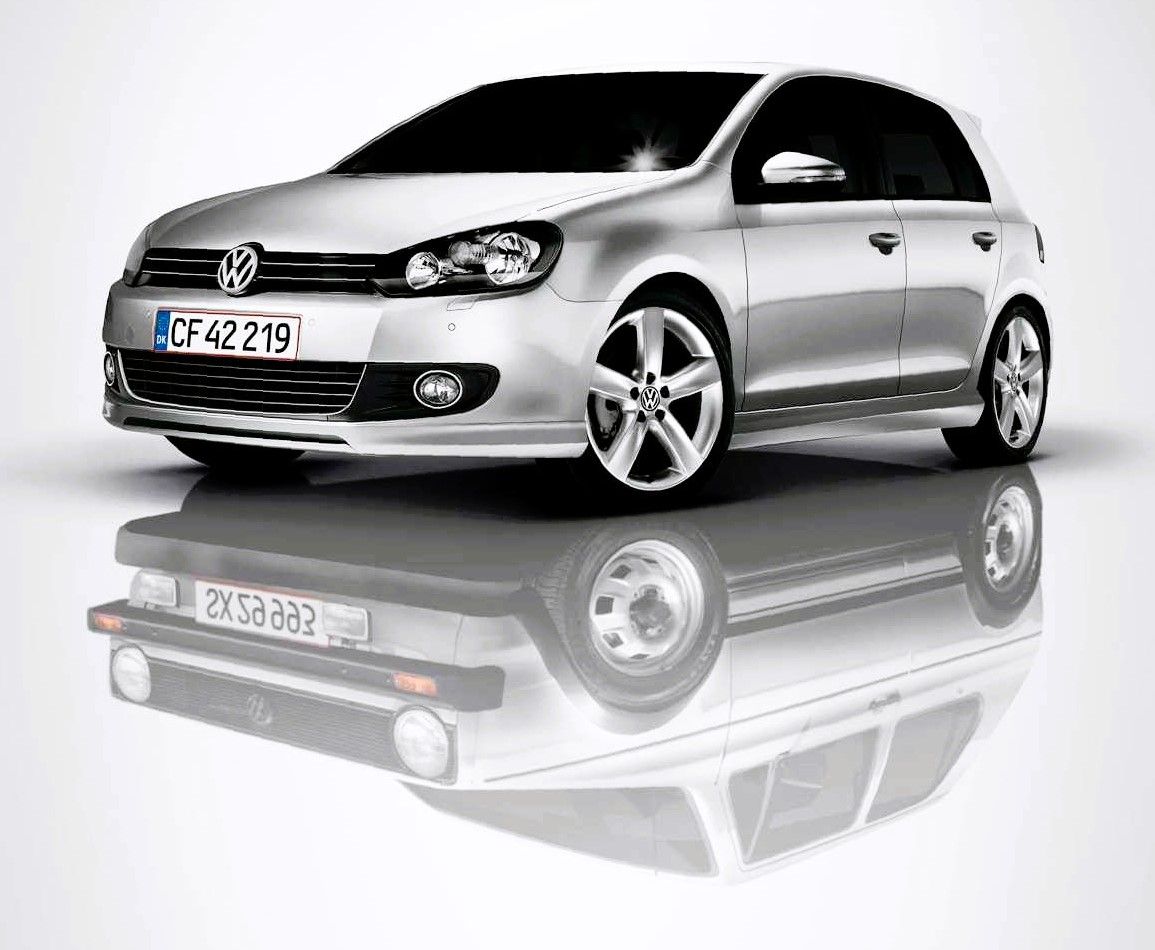
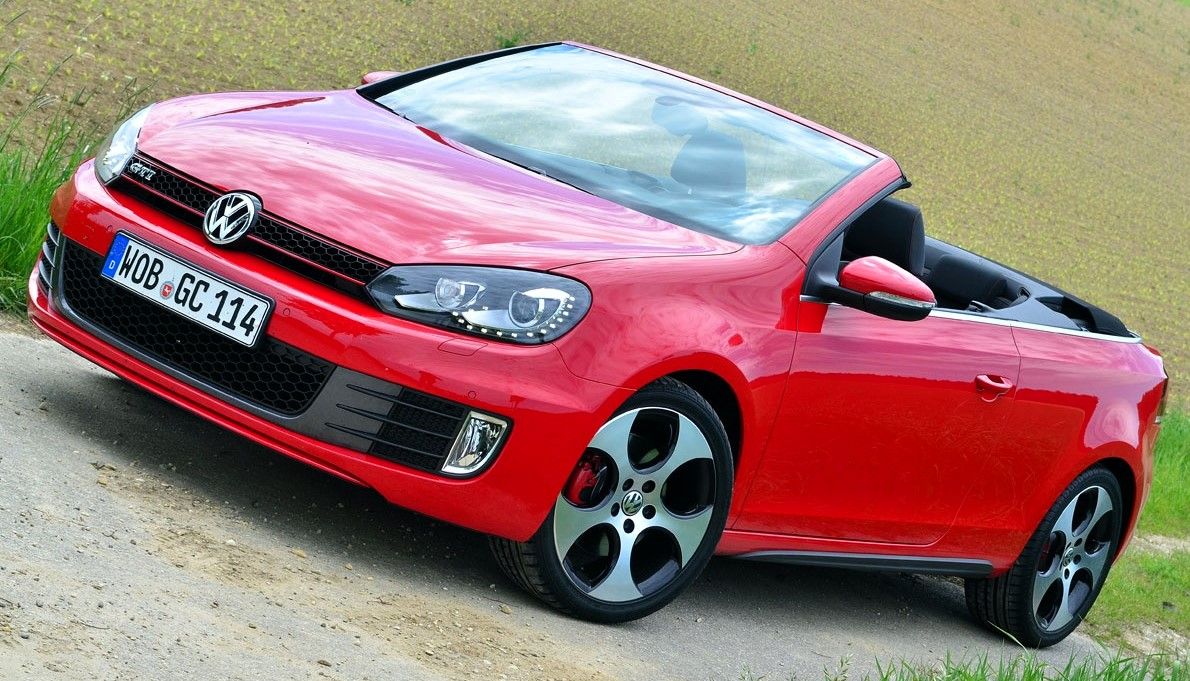
With the GTI 6, it's the return of hair in the wind (or bare scalps in the wind, for the bald). The Golf GTI 6 cabriolet took its top off with style in 2012.
Still fitted with an elegant soft top, with an electrically folding hood, less bulky than a folding hard top, this dynamic convertible is equipped with the 210 hp engine.
The only snag is that it puts on a few more kilos in its body reinforcements (no innuendo intended), which doesn't stop it cruising (quickly) at 235 km/h.
Appearing in spring 2013, the 7th generation of the GTI uses the group's new platform, the MQB (Mah Qué Bueno!) which lets it lose another 40 kg and gain in chassis dynamics; it gains a few extra ponies.
Despite the similar styling, the 7 has nothing in common with the 6, even its TSI engine is of a new generation; its gearbox in automatic form is the DSG7 (reprogrammable).
The GTI 7 was offered from the outset in 2 versions: the GTI, which therefore makes 220 hp, and the GTI 7 Performance, which with its overboost delivers 230 hp while showing better dynamic qualities, thanks to its front differential lock.
The Golf 7 GTI picks up the winning cues of the GTI clan: tartan fabric, golf ball, red-lined grille and "simple" colours from the Golf 1 GTI, namely Tornado red, black and white. It does not deny its membership of this great line with the sporting (wolf's) claw; the marketing team did its job well by playing on the original passion.
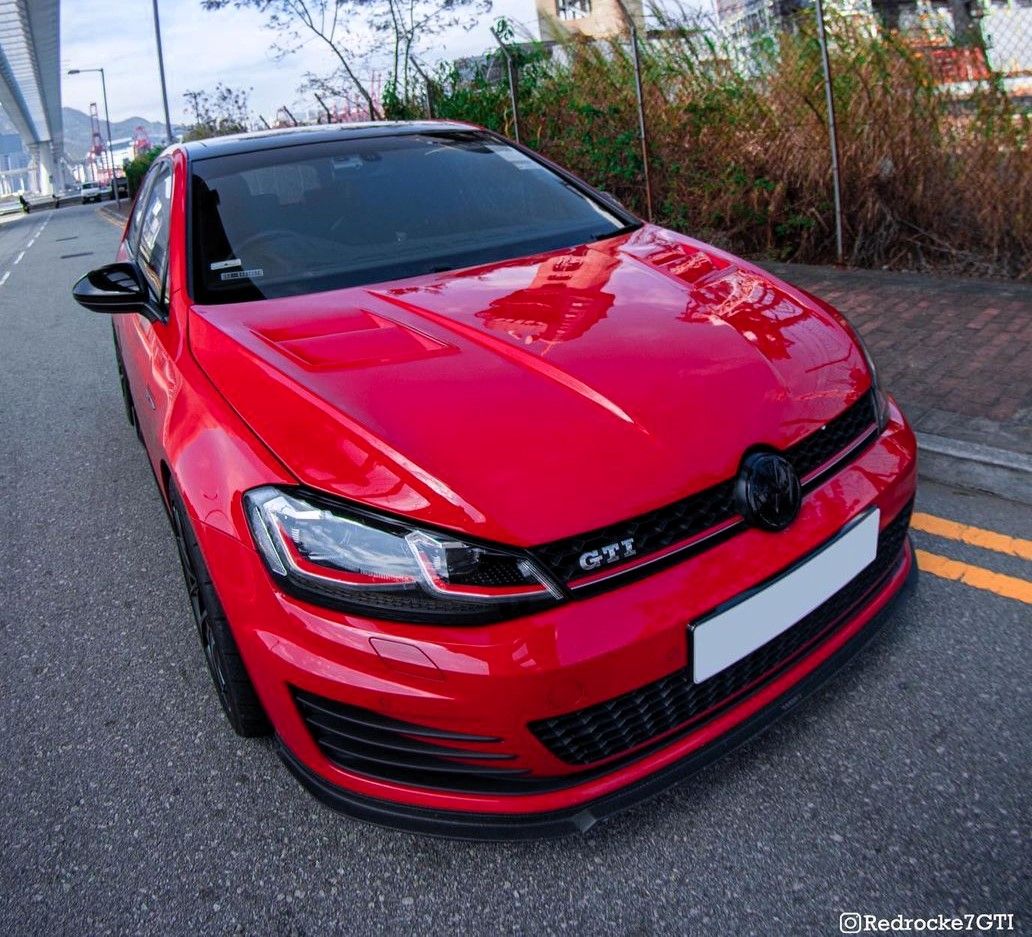
For 2016 and to celebrate the 40 years of the GTI as it should be, VW pulled out all the stops and offered an angrier version of its hot hatch.
The Golf 7 GTI Clubsport benefits from a reprogramming of its management unit and the famous 2.0L TSI goes to 265 hp and even 290 hp with overboost.
A year later, the Golf 7 GTI Clubsport S (S for Souped-up?) offered 310 hp (10 more than the Golf 7 R!).
A fifth version of the GTI 7 went on sale in 2019: the Golf 7 GTI TCR.
The TCR comes from the competition of the same name: Touring Car Racing, the world cup of touring cars in which VW is involved, in petrol as well as Diesel.
The TCR has a 2.0L TSI 4-cylinder developing 290 hp with 380 Nm of torque; it is directly inspired by the competition version: brakes, adjustable suspension, reinforced cooling, DSG7 with 4 driving modes, decals and aero. All of this made it the most capable compact hatchback of its generation (5.6 seconds from 0 to 100).
Club Sport and TCR … here at last are the GTIs the frenzied crowd was waiting for at the garage door!
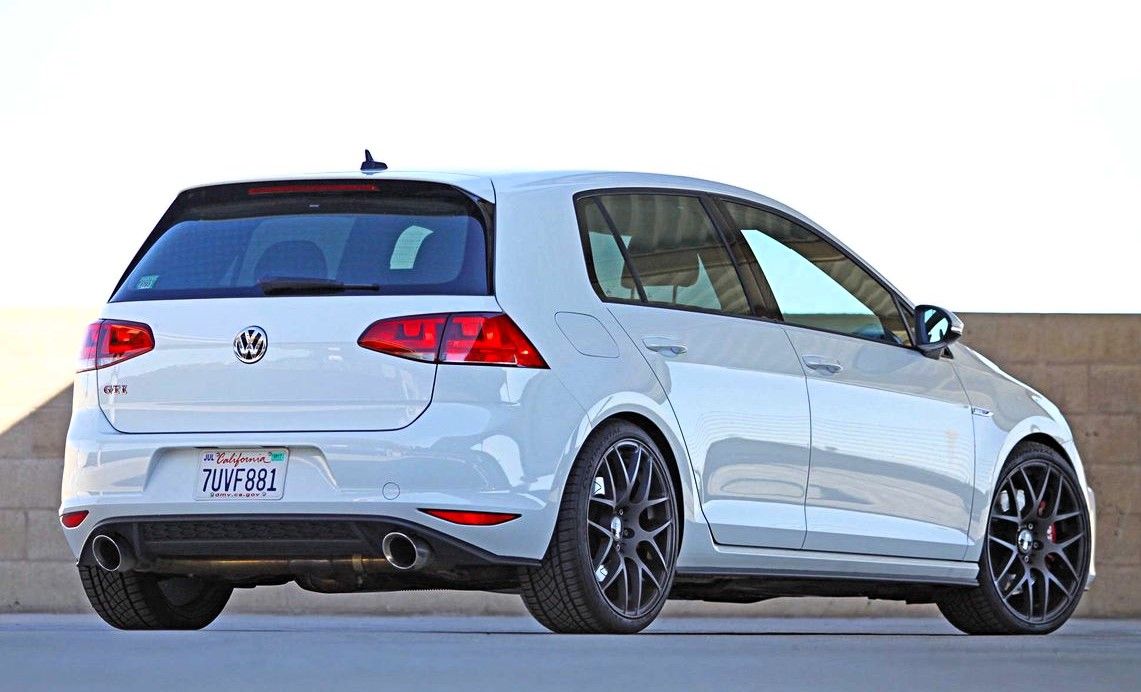
And that makes 8! Under the sign of versatility and sporting luxury, the Golf GTI 8 broke cover in 2020, in the middle of a pandemic.
For a launch that proved complicated, the 8th got a virtual show that revealed to the world a rather discreet look and an engine confined (no, not Cantonese, and nobody is laughing) to 245 hp.
The "base" GTI evolves gently, without revolutionising; it rallies enthusiasts around it and carries them along with gusto.
It is to the Golf 8 GTI Club Sport and its 300 hp that VW entrusted the mission of taking on its sharpest rivals (Mégane RS, Honda Civic Type R…).
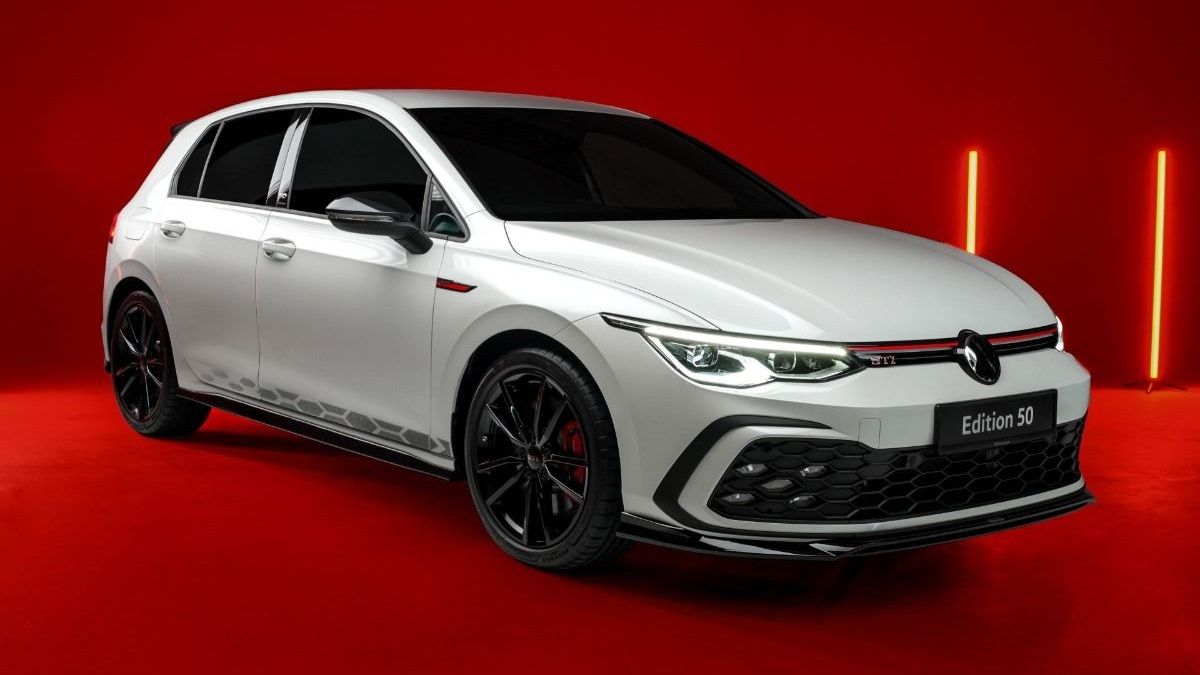
To celebrate its 1976-2026 jubilee in style, the Golf 8 GTI Edition 50 dons its finest finery and parades like a carriage pulled by 325 horses.
That makes for a crowd under the bonnet: 215 more than the grandmother at the origin of the clan; which lets it knock off 0 to 100 in 5.3 seconds (4 seconds less than granny).
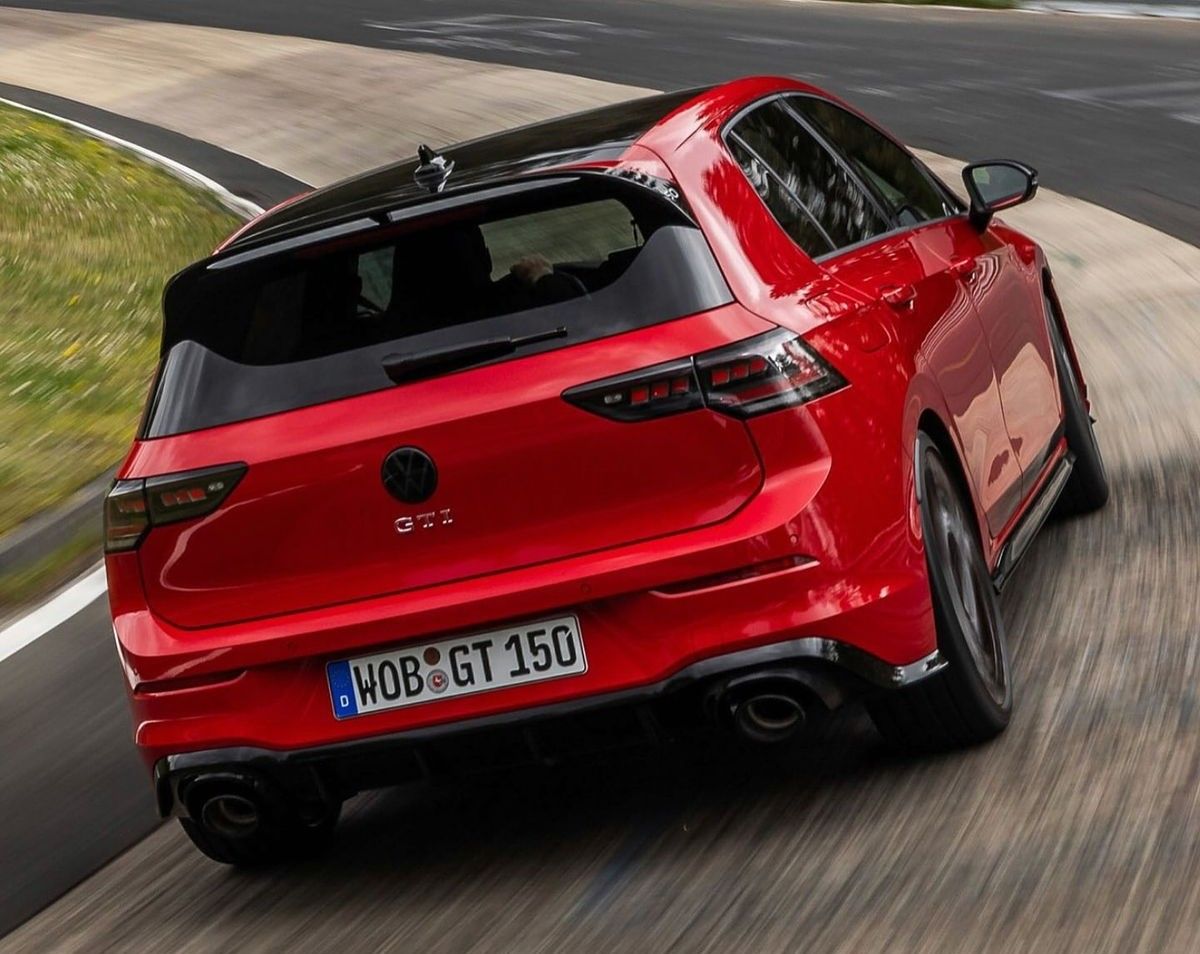
A magnetic car that inevitably draws you in if the passion for cars with character runs in your veins.
As VW France puts it so well in its communication around the jubilee, "Sometimes, three letters are all it takes to write a long story".
Volkswagen set the example and many manufacturers followed it into this niche market (a greyhound's kennel) of sporty compacts. Thank you, ingenious engineers of 1974, your hunch was right.
In 50 years, the Golf GTI has forged an image as a legendary sports car. Versatile and dynamic, classy and sporty, it has found its audiences, its aficionados.
Admittedly, as it grew, it put on a little weight, but this was offset by a gain in power and torque and above all by the evolution of its dynamic qualities.
The Golf GTI has enjoyed continuous success, perhaps because it managed to remain, despite a few missteps, one of the sharpest knives in the drawer.
Driving a Golf GTI means belonging to a clan; if you haven't already, take the plunge and get behind its wheel. From the Golf 1 GTI to the Golf 8 GTI, you will surely find the one that suits you best.
Let's hope the next Golf GTI isn't offered only as a hybrid or electric. We'll keep you posted.
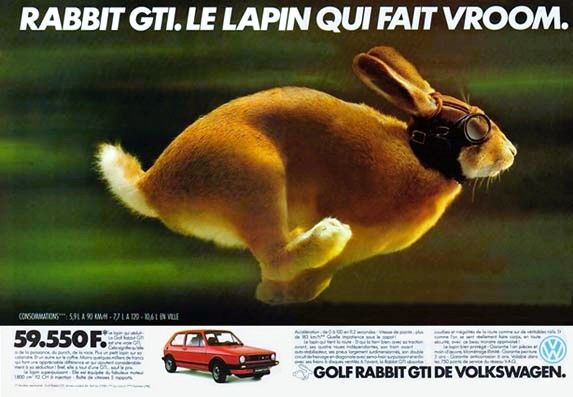
If you take the PWR (as granny would say) or Power-to-Weight Ratio* (kilos per horse), you immediately place the true performance of "your" generation of Golf GTI among the 8 that have existed.
Basically, the lower the result, the more efficient the GTI; the more you load the donkey the slower it goes (in theory, except for electric).
GTIs have never stopped putting on weight, but they turned things around by gaining power. Which goes to show, always check the price per kilo before you judge.
*the kerb weights shown may vary depending on the gearbox and options fitted on the same model.
Visuals and adverts: Volkswagen Group
Harald
Le partage de la Passion, simplement.
Subscribe to our MECATECHNIC newsletter