
























Your vehicle
No vehicle selected
Identify yours to refine your search results
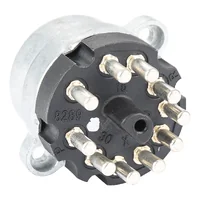
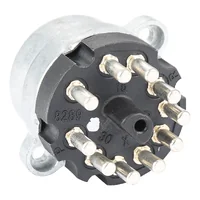
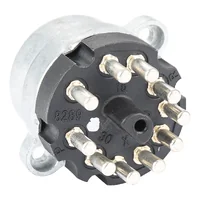
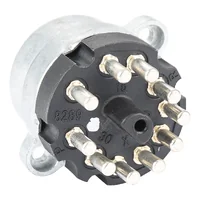
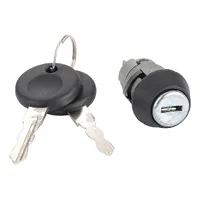
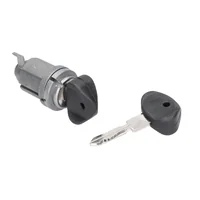
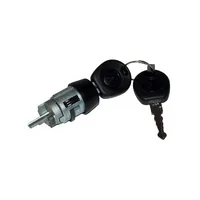
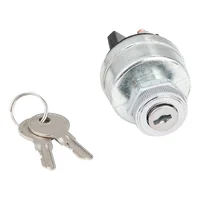
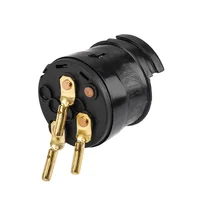
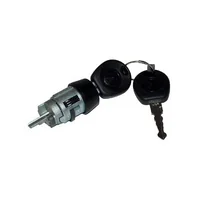
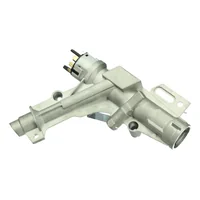
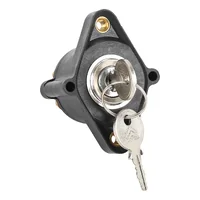
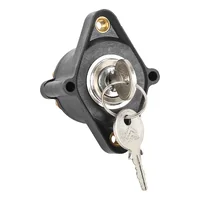
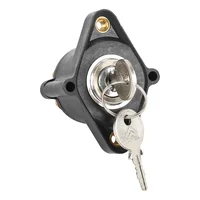
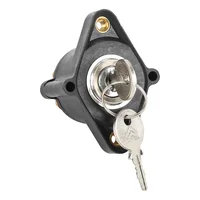
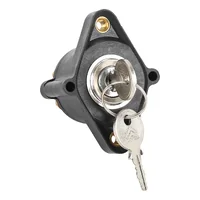
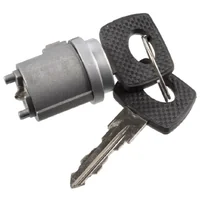
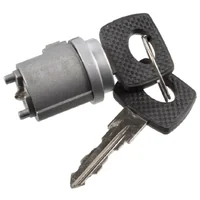
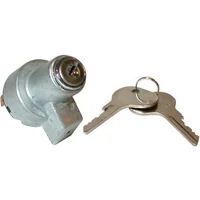
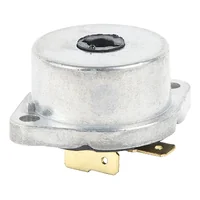
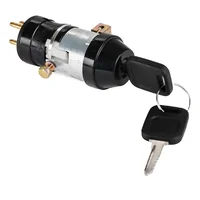
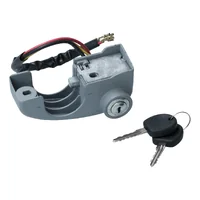
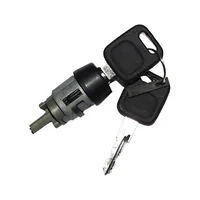
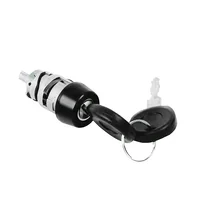
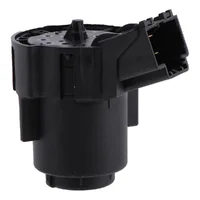
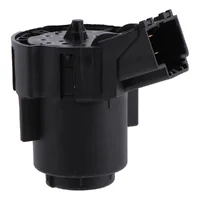
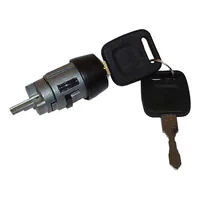
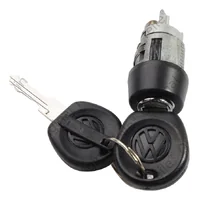
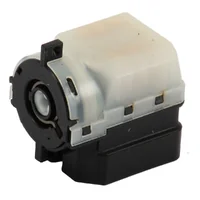
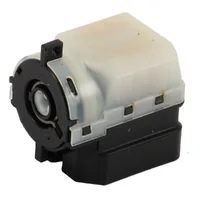
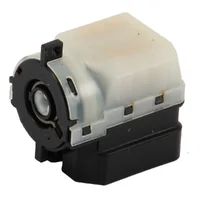
A key that won’t turn, an immobiliser that remains locked, a starter motor that only works half the time: the ignition lock combines three functions in a single unit, and it’s rarely the same one that fails. The range covers the complete immobiliser, the lock cylinder with its keys, and the starter switch.
Read more
157 Results
sort by
Only 2 left in stock
Only 2 left in stock
Only 2 left in stock
Only 2 left in stock
Only 3 left in stock
Only 3 left in stock
Only 3 left in stock
Only 5 left in stock
In stock
In stock
Only 2 left in stock
Only 2 left in stock
In stock
In stock
In stock
In stock
In stock
Only 3 left in stock
Only 3 left in stock
Only 2 left in stock
Only 2 left in stock
Only 1 left in stock
Only 5 left in stock
Only 5 left in stock
Only 5 left in stock
In stock
Only 1 left in stock
Only 1 left in stock
Only 1 left in stock
Only 1 left in stock
Only 1 left in stock
What is commonly known as a ‘Neiman’ – named after the manufacturer who popularised it – is in fact an assembly that fulfils three independent roles.
Identifying which of these three components is at fault avoids having to replace the whole unit when only a single part needs replacing.
Replacing just the lock cylinder resolves the vast majority of cases, as it is the part that wears out, and it costs a fraction of the price of the complete lock assembly. It comes with its own set of keys, and this is where you need to think carefully: the new keys will not open the doors, the boot or the fuel cap, as these are still programmed to the old code. You’ll end up having to carry two sets of keys.
There are three possible solutions. Put up with having two keys, which is the simplest and cheapest option. Have the new lock cylinder recoded to your original key by an automotive locksmith, provided the key isn’t too worn. Or replace the door locks at the same time, which only makes sense if they’re also worn out.The full set is justified when the mechanical immobiliser or the ignition lock housing is faulty, or when the vehicle no longer has any keys at all.
On most set-ups, the immobiliser unit is secured with shear-off screws: when fitted at the factory, these are tightened until the head breaks off, specifically to prevent them from being unscrewed. Removing them therefore involves drilling into them, splitting them, or using a puller, whilst working in an awkward position under the steering wheel.
Make sure you have new screws to hand: the old ones cannot be reused. Disconnect the battery before carrying out any work, especially on a vehicle fitted with an airbag, and make a note of the rear connector’s reference number before removing it. Finally, check that the anti-theft bolt slides freely in its housing before refitting: if it is stiff, the problem lies in the column and a new ignition lock will jam in the same way.