

























Your vehicle
No vehicle selected
Identify yours to refine your search results
No vehicle selected

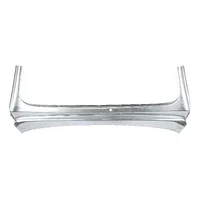
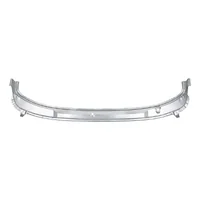
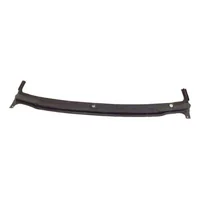
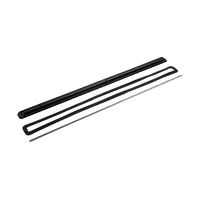
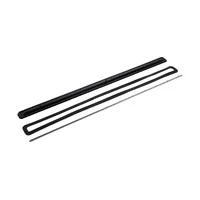
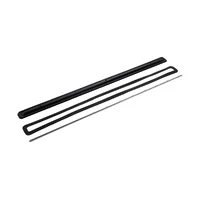
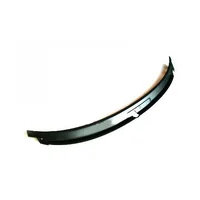
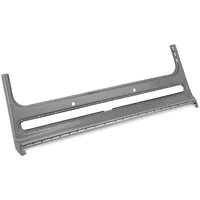
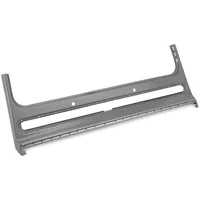
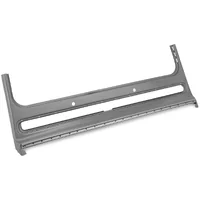
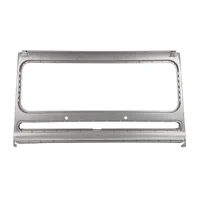
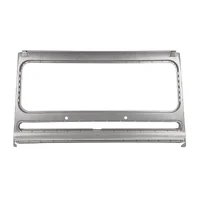
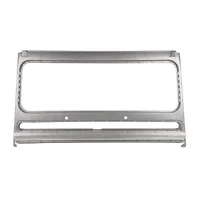
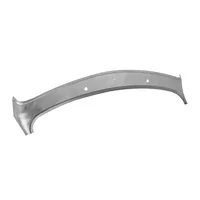
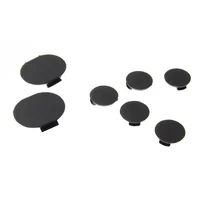
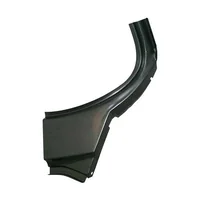
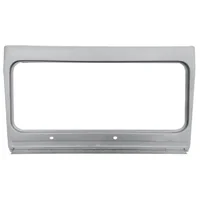
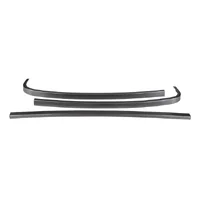
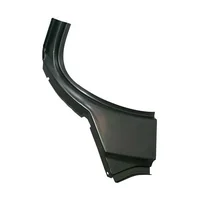
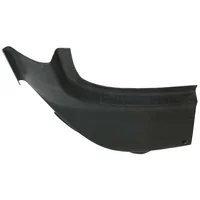
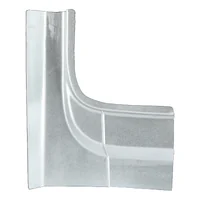
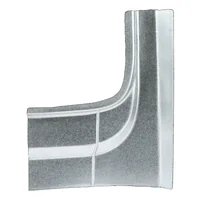
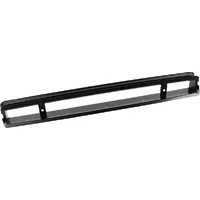
This is the area that rusts first and which you discover when removing the windscreen. The windscreen recess collects water from the entire glazed surface, and whatever remains at the lowest point eventually seeps through the panel. The range covers the entire windscreen recess, the lower repair panel, the frame corners and the ventilation flaps with their seals.
Read more
65 Results
sort by
Only 1 left in stock
In stock
On order, from 14 days
Only 4 left in stock
Only 4 left in stock
Only 4 left in stock
Only 4 left in stock
Only 2 left in stock
Only 4 left in stock
Only 4 left in stock
Only 4 left in stock
Only 1 left in stock
Only 1 left in stock
Only 1 left in stock
In stock
Only 3 left in stock
Only 2 left in stock
Only 2 left in stock
Only 2 left in stock
Only 5 left in stock
Only 2 left in stock
Only 4 left in stock
Only 2 left in stock
Only 3 left in stock
Only 3 left in stock
Only 3 left in stock
Only 1 left in stock
Only 1 left in stock
Only 4 left in stock
Only 4 left in stock
Only 4 left in stock
Only 3 left in stock
Only 3 left in stock
The windscreen frame is the metal frame into which the windscreen is fitted: the lower crossbar, the two side pillars and the corner brackets connecting them. On most older models, it also forms a gutter that collects water from the windscreen and drains it away via two drains.
It serves both a structural and a waterproofing function. A perforated windscreen frame allows water to enter the passenger compartment, but it also weakens the windscreen’s anchorage, and thus the rigidity of the bodywork. This is why it is not sealed with sealant.
Three factors always combine in the same place. The drains become blocked with leaves and dust, and water pools in the gutter instead of draining away. The windscreen seal hardens and allows a trickle of water to seep through, working its way between the glass and the bodywork, hidden from view. Finally, the sound-deadening foam fitted beneath the dashboard traps this moisture against the steel.
The result: corrosion starts from the inside of the bodywork and is only visible at a late stage, when the paint starts to blister. By the time it is visible, the lower section usually needs to be replaced rather than repaired.
The criterion is simple: as long as sound sheet metal can be used as a reference to reposition the part, a partial repair is preferable. As soon as the reference points are corroded, the entire frame must be replaced.
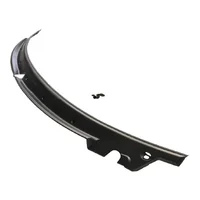
On many older models, the opening features a ventilation flap that supplies fresh air to the passenger compartment before any forced ventilation kicks in. Its seal is the second most common source of leaks in this area, just after the drains: once hardened, it allows water to enter directly above the driver’s feet.
The vent is sold as a complete unit, with its seal, trim and fixings, or as a seal only when the metal panel is in good condition. Replacing the seal alone is a one-hour job that fixes a leak often mistakenly attributed to the windscreen.
A new windscreen fitted onto a gutter that no longer discharges rust like the previous one. Before refitting, check that the drains are clear along their entire length by simply pouring water into the gutter and checking that it flows out.
Also make the most of the removal to treat the inside of the windscreen housing – which is inaccessible once the windscreen is refitted – and to replace the windscreen seal rather than reusing the old one. A new sheet of metal and a worn seal will produce the same result as before, just a year later.