What’s inside a gearbox, and what wears out
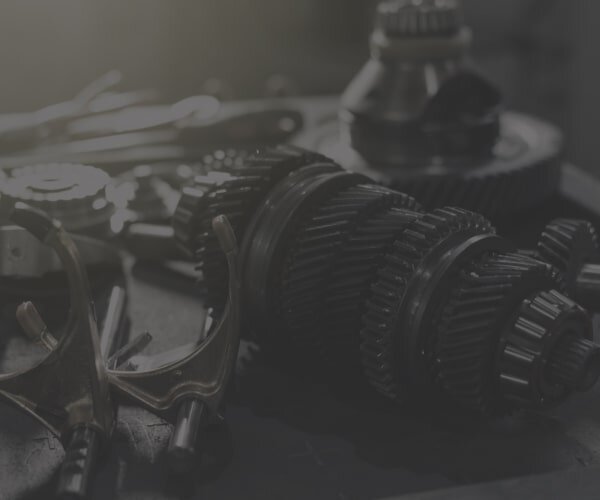
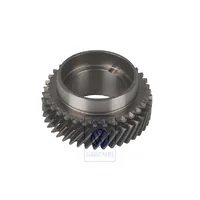
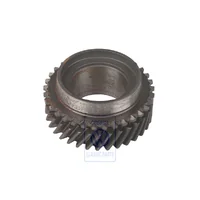
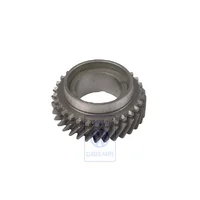
- The gear teeth, one per gear, are constantly engaged in modern gearboxes. Their teeth rarely chip; it is their dog teeth – the front teeth that ensure engagement – which become rounded and cause the gearbox to slip out of gear.
- The sliding gear, which slides along its shaft to engage a gear. It is the main source of wear in older gearboxes with sliding gears.
- The synchroniser rings, made of brass, which equalise speeds before engagement. When worn, they cause the gear to grind even when shifted gently.
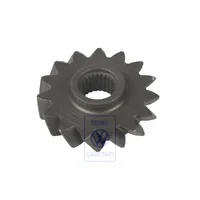
- The bevel gear pair, which transmits motion to the differential and determines the final drive ratio. It is replaced as a pair, with the pinion and ring gear matched.
- The bearings, bearing sleeves and shims, which position the assembly and whose play causes the gearbox to rattle.
Identify the symptom before opening the gearbox
- A gear that jumps, always the same one, particularly when decelerating: worn dog clutches on that gear, or sometimes a worn selector fork. The rest of the gearbox is generally in good condition.
- A creaking noise when changing gear, which disappears if you change very slowly: the synchroniser ring for that gear. This is the most common and least labour-intensive repair.
- A whistling noise that varies with speed but not with engine revs: bearing or bevel gear.
- A noise that disappears when the clutch is disengaged: it comes from the input shaft, not the gears.
- Ifall gears are difficult to engage: check the gear selector and the clutch first. It’s rarely the gearbox.
A fault affecting only a single gear is almost always repairable without replacing the entire gearbox. This is why gear teeth are listed individually.
Repairing a single gear rather than replacing the gearbox
The standard reflex is to replace the gearbox. On an older vehicle, this faces two obstacles: the replacement gearbox is often no longer available, and any second-hand one you find will have the same wear and tear as yours, with the added uncertainty of its history.
Replacing the pinion and ring gear for a single gear ratio – along with the bearings and shims – costs a fraction of the price and keeps the original gearbox in the vehicle, which is important for its value. Removing the gearbox is the bulk of the work: once it’s on the workbench, there’s little difference between repairing a single gear ratio and rebuilding the whole thing. Take the opportunity to replace the bushings for the other gears and the seals, which are just as old.
What you need to note before ordering
- The gearbox code, stamped on the casing, not the vehicle model: the same car often had several different gearboxes fitted, depending on the engine type and year.
- The gear in question, and the number of teeth if you can count them on the removed part.
- The bevel gear ratio, expressed by its two tooth counts, and its connection type – splined or keyed: these are not interchangeable.
- The number of gears and whether the vehicle has four-wheel drive, as these affect the internal layout.
Also make sure you have the adjustment shims: a new pinion or bevel gear set is supplied with an operating clearance that needs adjusting, and this adjustment cannot be done by eye.