Your vehicle
No vehicle selected
Identify yours to refine your search results
No vehicle selected
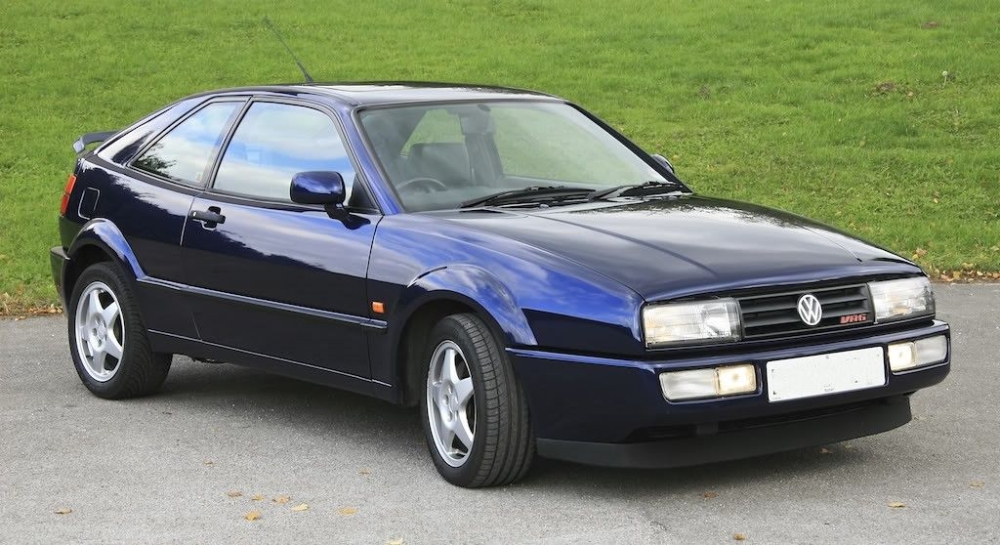
Built from 1988 to 1995, the Volkswagen Corrado embodies VW's modern sports coupé. From the G60 to the legendary VR6, a look back at a technological model that became a Youngtimer icon.
27/04/2026
Harald
7 minutes read
Volkswagen
At the end of the 80s, Volkswagen needed to replace its Scirocco coupé, which was starting to look dated. It was an opportunity to offer something different, and the wolf brand wanted to rival Porsche by hoisting its coupé among the greats.
The Corrado, built between 1988 and 1995, would become one of the manufacturer's technological showcases.
The coupé derived from the Golf became less angular, with a softer design and a Cd of 0.32, thanks to more aerodynamic lines.
The 911 was not in its sights, but rather the FEPs (Front-Engined Porsches) that were the Porsche 924 and the Porsche 944.
1988: the first coupé to come out was the Corrado G60; it hit 225 km/h: it was the fastest VW ever sold.
Volkswagen perhaps set the price bar a little too high compared with other cars, whether German or Japanese; the G60 was more expensive than an E30 325i 6-cylinder of 171 hp.
Say "special programme" and you say small series, and say technological novelties and you say "it's going to sting". To limit its production costs, VW dipped into the bank of parts already on its shelves. Engine and gearbox, among others, were taken from the Golf 2 and the Passat at first, then from the Golf 3 later.
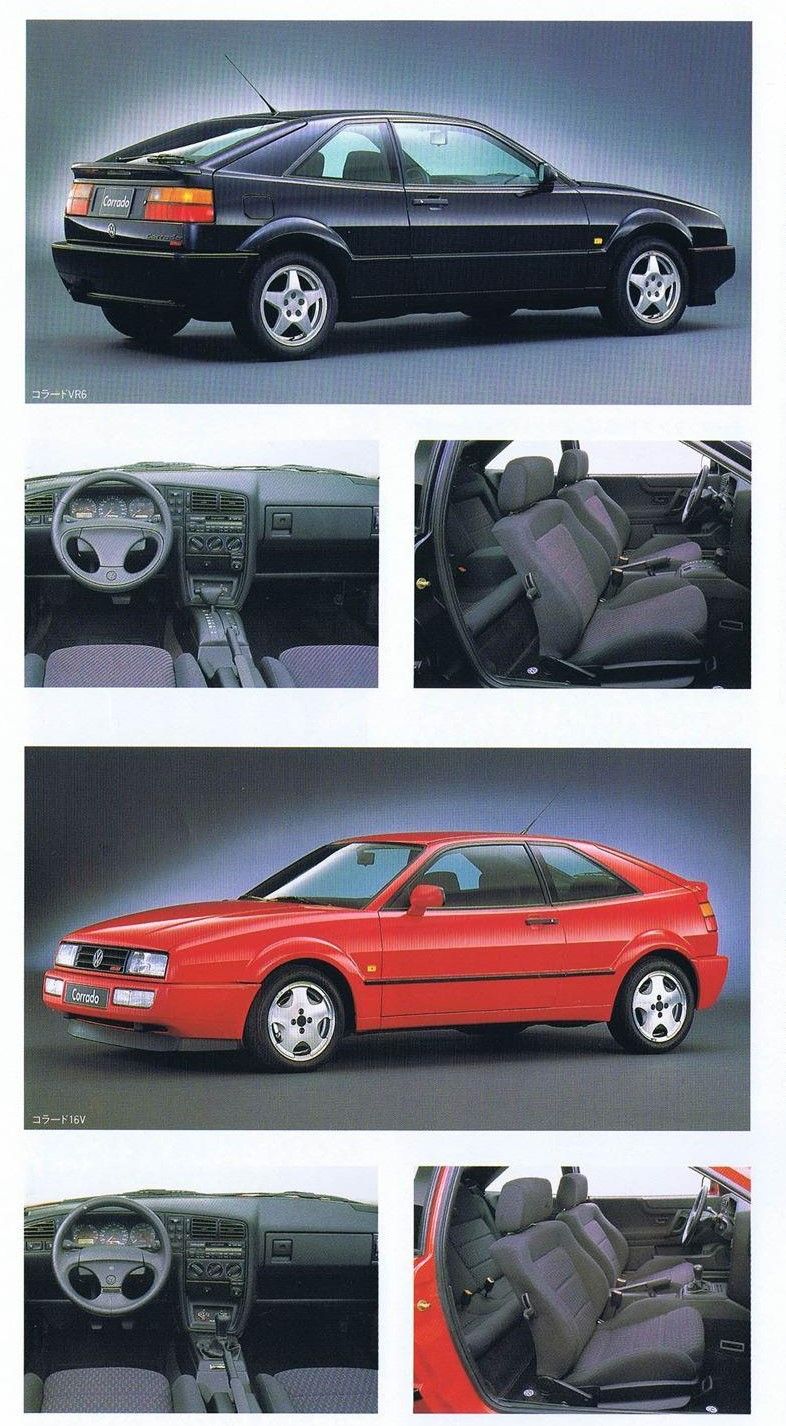
Built by VW's appointed coachbuilder for small series and special bodies, namely Karmann, whose signature it bears, the Corrado, like the Scirocco in its day, is to the Golf what the Karmann Ghia coupé was to the Beetle : a sporty derivative in a completely new body, built and assembled in Osnabrück, Germany.
The Corrado's flowing line saw little change, except on the VR6, which benefited from the front end of the Golf 3 VR6 and wider front wings, a domed bonnet and a grille with two slats instead of five (phase 2).
The Corrado is lived in from the front seats, the rear seats being made rather for small frames; even so, you are more comfortable there than in the back of a Porsche 911.
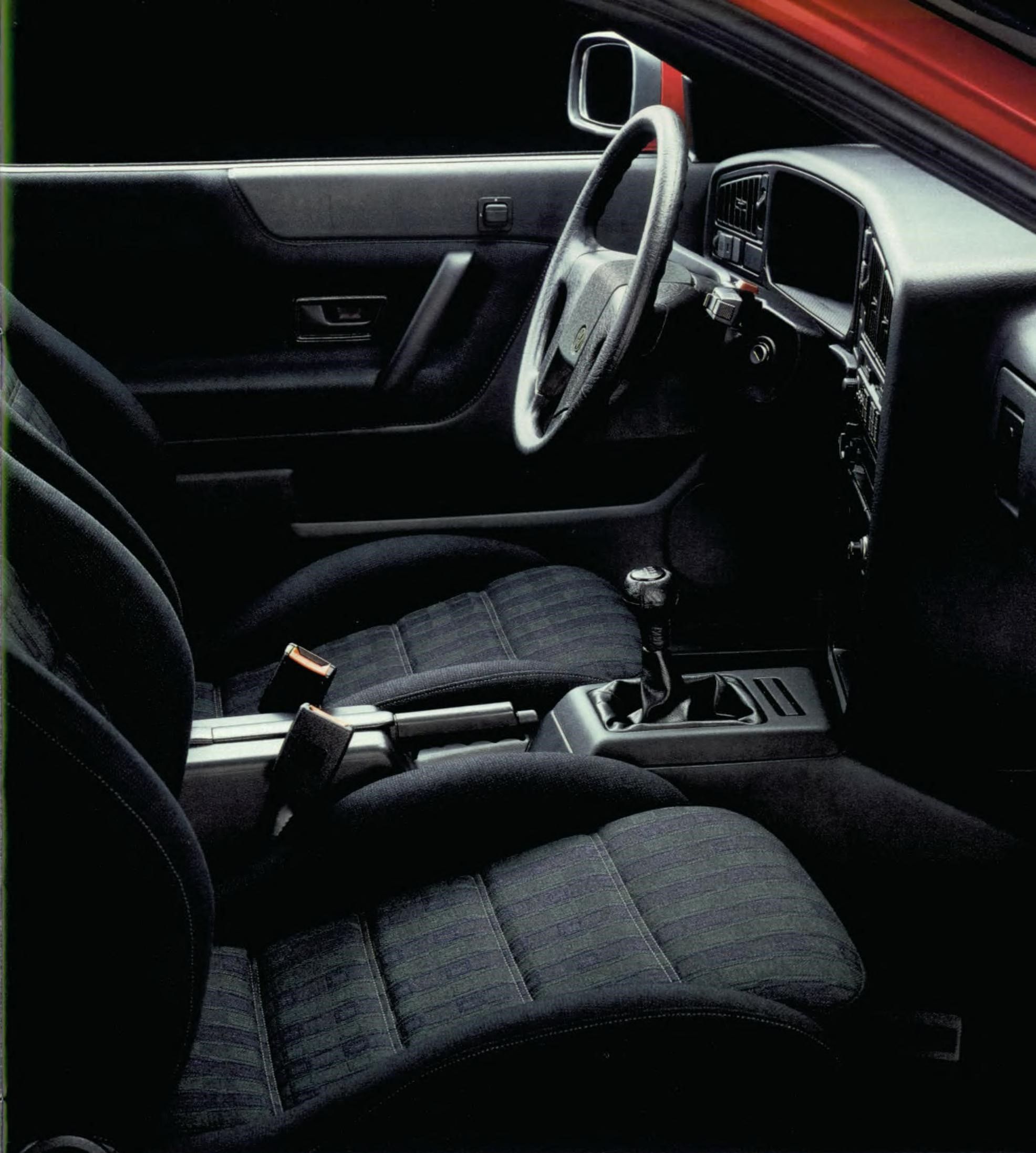
Inside, the Recaro seats (optional) make you feel you are about to take your place in a GT. The cockpit controls put you at ease, as in a BMW. You sit low, no doubt about it, you are getting into (down into?) a sporty-leaning GT. Its quietness in operation is worth highlighting, the Corrado is very well insulated.
On the fun side … think again, the interior is rather austere, especially in black (on black).
A delight for the eye… the rear spoiler, which you see rise at 120 in your rear-view mirror, gives you the feeling that you can rival that of a Porsche 964 of the same era.
A point to note: this coupé is front-wheel drive. The weight is less well distributed than on a transaxle 924 or 944 (front engine and rear gearbox) and you feel it when cornering hard, where the Corrado tends to oversteer; its suspension lacks firmness.
As for sensations, it will depend on the engine; each version brings a different driving pleasure; you will find the one that matches your personality.
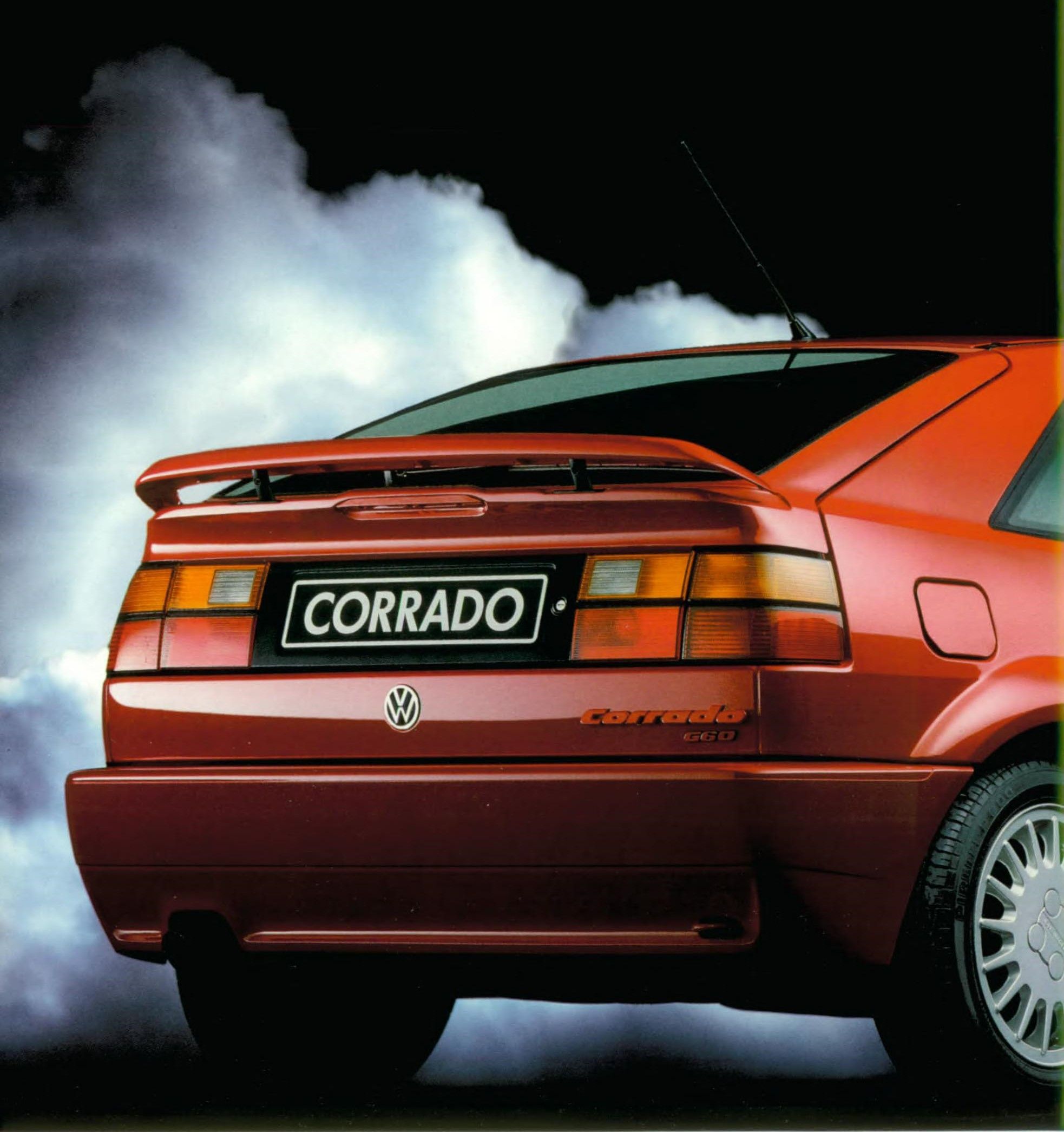
A 160 hp G60 accelerates hard without kicking you in the backside. The 1800 8s is fitted with a 60mm scroll-type positive-displacement supercharger (G)… hence its name. It has the advantage of being progressive, constant in delivering power and torque. A drawback over time: the reliability of the supercharger if it is not serviced and if warm-up times are not respected.
Once you have tasted the supercharger's growl … it is hard to do without. In short, the G60 is quiet strength.
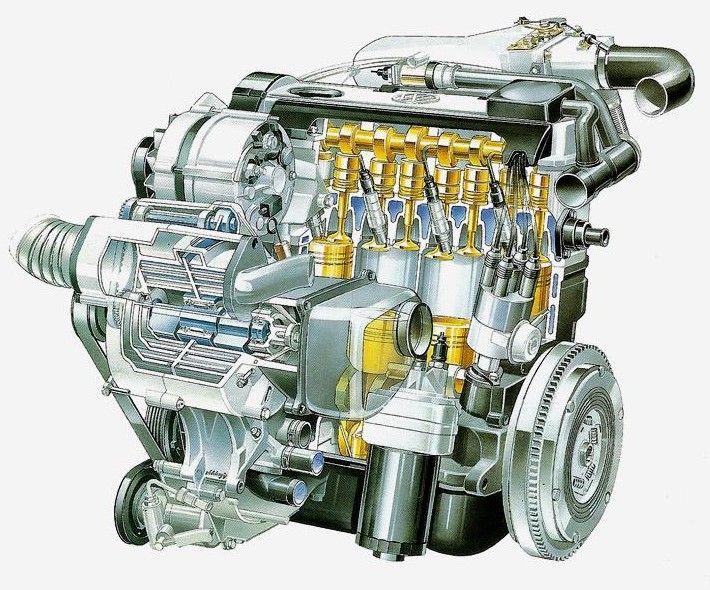
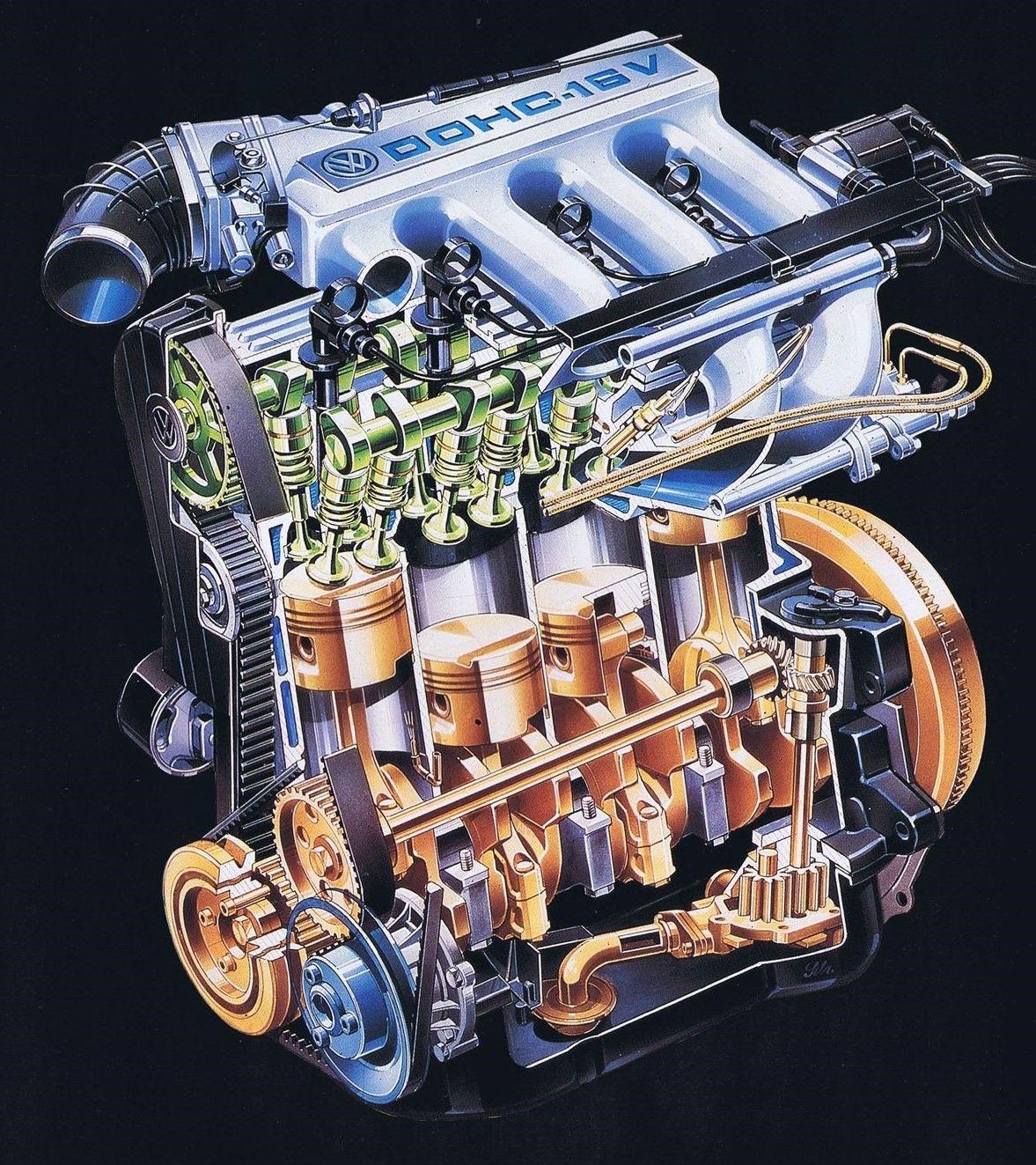
Two 136 hp 16s engines: a 1,800 and, from 1992, a 2L, which come alive past 4,000 rpm, and are a little hollow below (less so on the 2.0L).
The 1,800 comes straight from the Golf 2 GTi 16s. Its KR engine with K-Jet mechanical injection and twin overhead camshafts is fierce; it delivers all its power at 6,100 rpm and propels the coupé to 208 km/h. The maximum power of the torquier 2L 9A comes earlier, at 5,800 rpm.
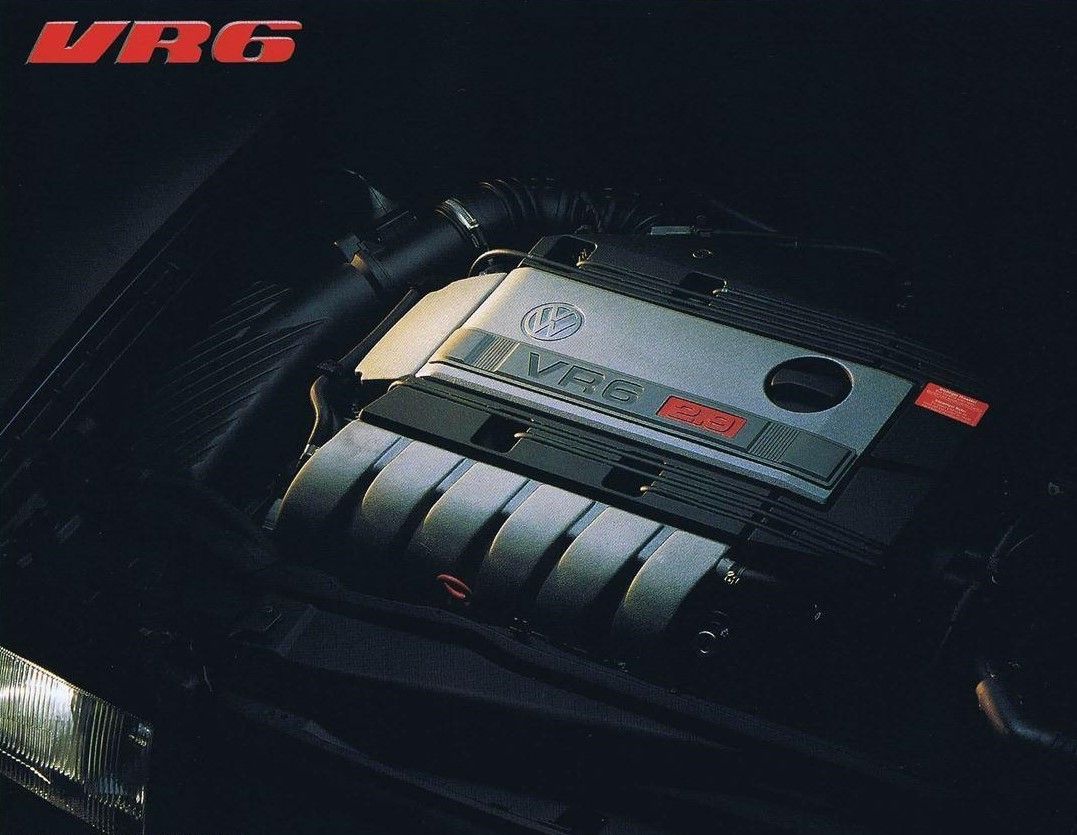
A 190 hp VR6 … the summit, with its capacity raised to 2.9L (taken from the Golf 3 VR6 Syncro). This engine is pure (V)Wagner: it is powerful and has a bewitching sound. The VR6 is often described as a landmark engine; it is very compact, presented as a "V engine laid in line" with its narrow 15° angle and its single cylinder head.
It lets the coupé fly at 235 km/h and dispatch 0 to 100 in 6.9 seconds; not bad for the time.
Maxence knows something about this: he discovered that sound at the wheel of a Golf 4 R32 and never stopped looking for it, until a Corrado VR6 gave it back to him.
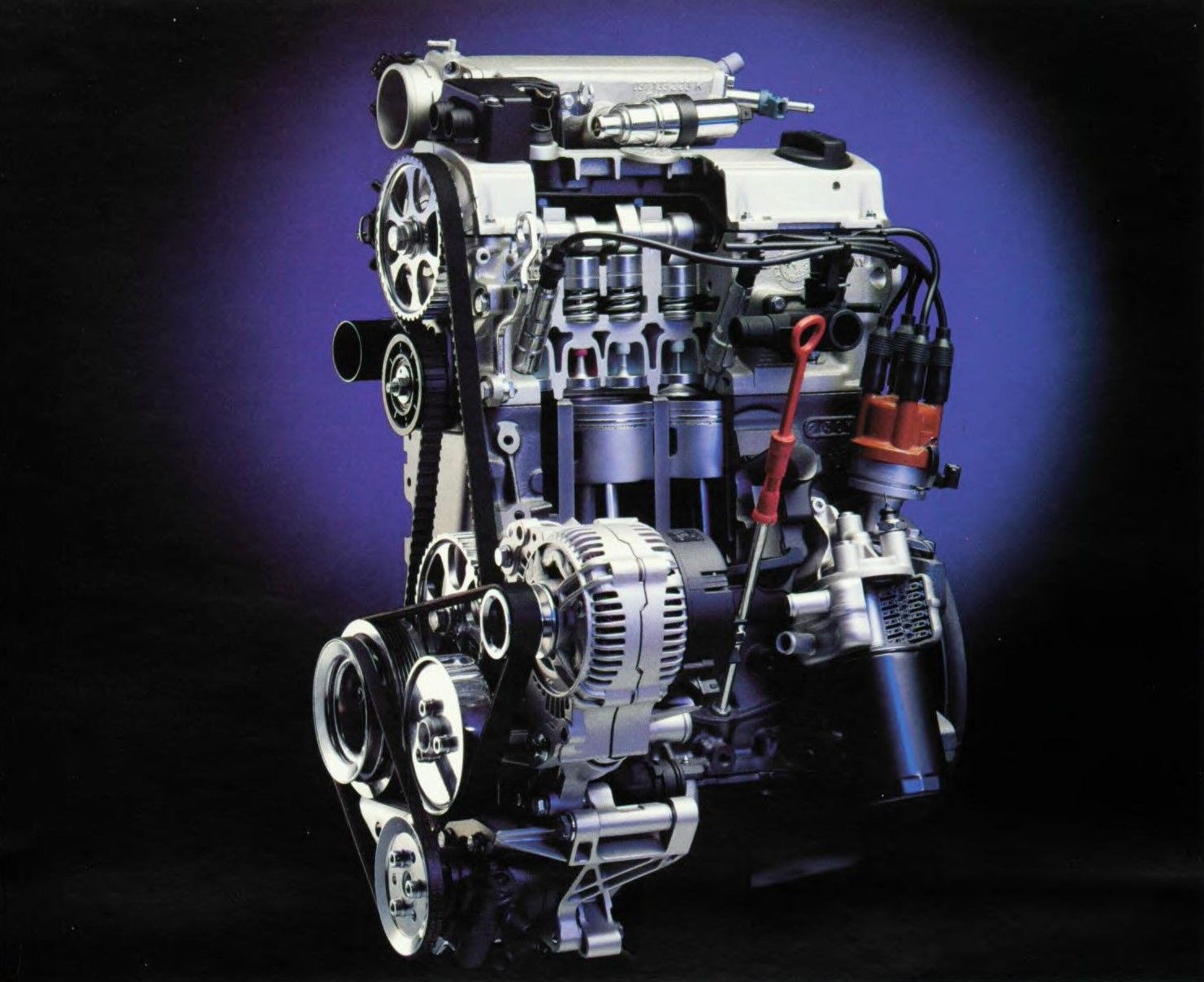
A 2.0L 8s … is good for cruising cool. It is a square, torquey engine that takes you along as in a base 924; you are not going to race with its 115 hp.
Whichever engine you choose, even with high mileage, it will be reliable. At that time, VW (like other manufacturers) made solid engines built to last and tested them before selling them.
They mean that, as with many sporty Youngtimers, it is hard to find a nice Corrado that has not been tinkered with. All models are affected; the G60 and VR6, being more powerful, suffered the most in that slightly mad period of over-the-top personalisation of the 2,000s.
How to sum up the Tuning craze for you?! In most cases: out go the airboxes for direct-intake cone filters (sound guaranteed), in the bin go the original coil-over spring-and-damper units and long live bone-shaking threaded kits, ciao catalytic converters and hello silencers (we should say "noisers") with big tailpipes; headlights and rear lights become coloured "angel eyes".
Shall I tell you about the (too) wide wheels, the (small) steering wheels, the crazy sound systems and the body kits? No need, if you were not a teenager at that time, you must have watched the "Past & Curious" saga since.
You will have understood that many of these original parts were skipped or lost over time and that going back can prove complicated, even costly. Today we talk about restoration for a Corrado and that is a good thing. Too few remain in original configuration; this fine coupé, rare and emblematic of the Youngtimer scene, deserves to endure.
In 2008, a reader passionate about youngtimers fulfilled a teenage dream: a 1992 Corrado G60 showing 178,000 km. Since then he has devoted a lot of time and money to bringing it up to his taste and maintaining it.
Olivier went back to the Corrado VR6 after a Golf 3 VR6 and a Golf 5 R32: he missed the melody of the six-cylinder. After a year on the road, his coupé had to wait many long years in the garage, while a property project took over. He took the opportunity to launch a complete restoration, neglecting no part and no detail, with a simple goal: to then drive for years without mechanical worries.
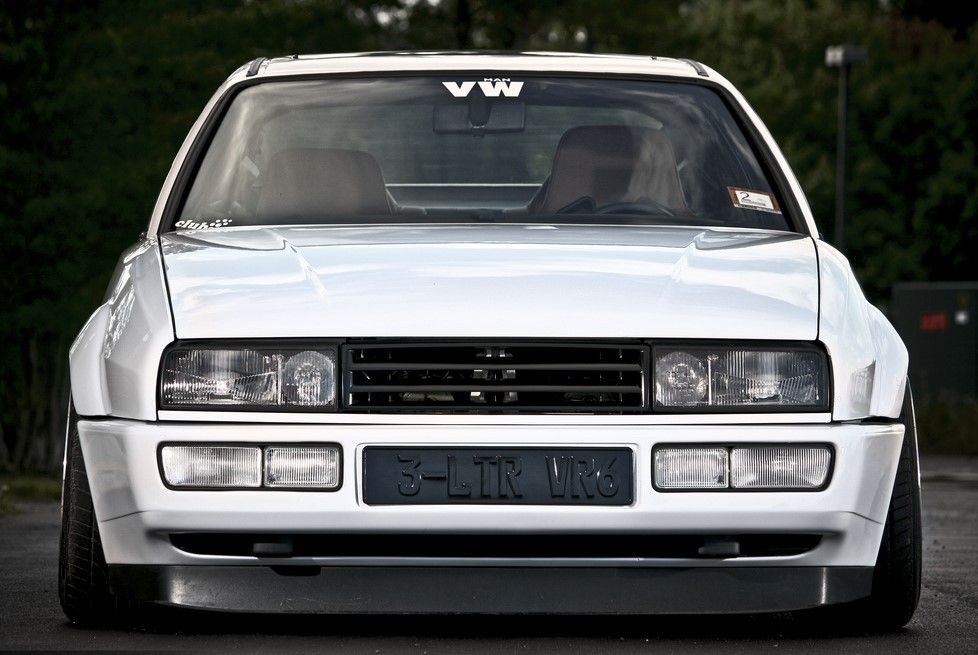
Well, you cannot say that the Corrado Coupé had undeniable commercial success, as it sold fewer than 100,000 units in 7 years of existence.
Despite its build quality and its upmarket positioning, its engines, it could not rival other German or Japanese coupés that were either cheaper, or more powerful and/or benefited from a sportier image.
The brand's loyal followers of the day shared the same passion as Corrado enthusiasts today: driving something different, technological and reliable.
They had to wait until 2008 to discover its successor: the 3rd-generation Scirocco. Will it too join the small family of iconic VW coupés? Time will tell.
Harald
Le partage de la Passion, simplement.
Subscribe to our MECATECHNIC newsletter