
















Your vehicle
No vehicle selected
Identify yours to refine your search results

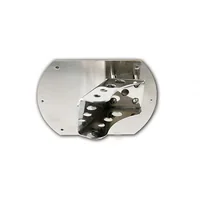
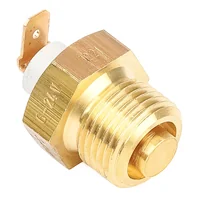
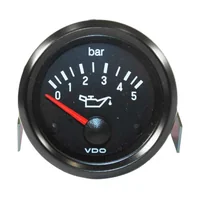
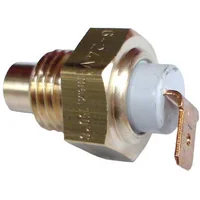
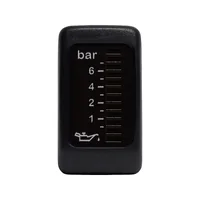
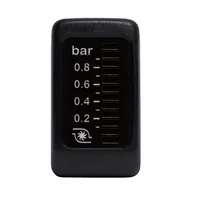
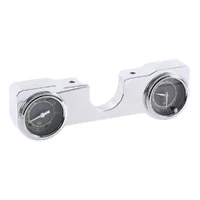
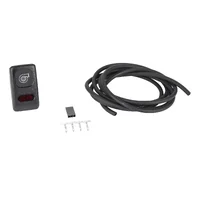
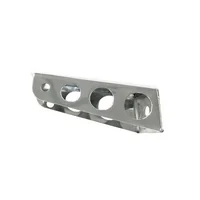
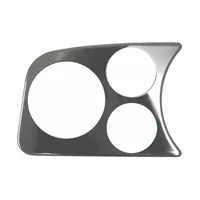
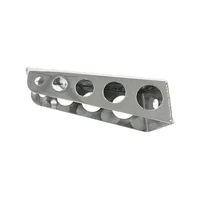
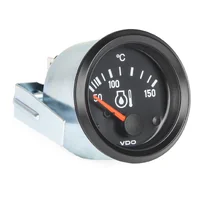
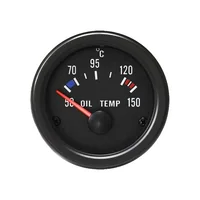
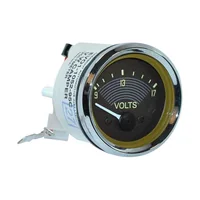
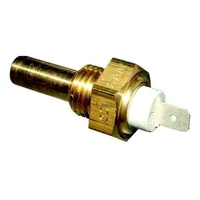
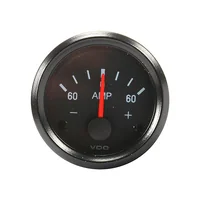
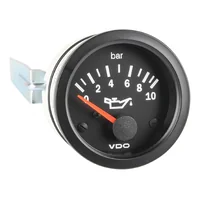
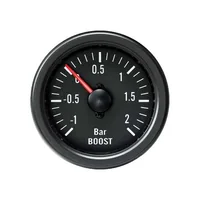
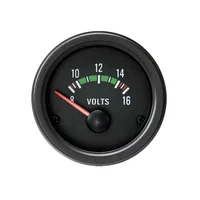
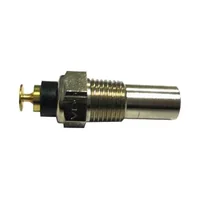
A warning light comes on when it’s already too late; a pressure gauge shows deviations before a breakdown occurs. On an older engine, monitoring oil pressure and temperature is the best safeguard there is. The range includes pressure gauges, their sensors, and the brackets needed to fit them neatly.
Read more
121 Results
sort by
On order, from 14 weeks
On order, from 12 days
On order, from 12 days
On order, from 12 days
On order, from 4 weeks
On order, from 4 weeks
On order, from 15 days
On order, from 4 weeks
On order, from 4 weeks
On order, from 4 weeks
On order, from 9 days
On order, from 4 weeks
On order, from 13 days
On order, from 14 weeks
On order, from 14 days
On order, from 14 weeks
On order, from 14 weeks
On order, from 14 days
On order, from 14 days
In stock
In stock
On order, from 12 days
In stock
Only 2 left in stock
In stock
Only 3 left in stock
Only 1 left in stock
In stock
In stock
On order, from 12 days
Only 2 left in stock
Only 1 left in stock
Only 2 left in stock
Only 3 left in stock
In stock
Only 1 left in stock
The oil pressure warning light is not an indicator, it is a threshold alarm: it comes on when the pressure drops below a very low level, in other words, when the damage has already been done. Between normal pressure and the alarm threshold lies the entire margin within which the health of an engine is determined, and the warning light reveals nothing about this.
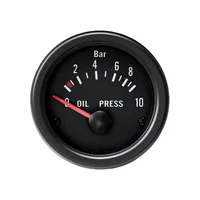
A pressure gauge shows this range. It allows you to see that the pressure when the engine is hot drops year on year, that it plummets when the engine is idling whilst hot, or that it takes too long to build up when starting. Each of these signs indicates wear and tear and gives you time to take action. On an older engine, this is the instrument that prevents breakdowns, which is why they were routinely fitted to tuned cars.
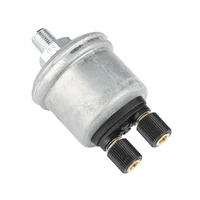
An electric pressure gauge is simply a graduated galvanometer: it is the sensor screwed onto the engine that takes the reading by varying a resistance. The two form a pair and must be matched.
If you’re only fitting one gauge, go for the oil pressure gauge. If you’re fitting two, add the oil temperature gauge.
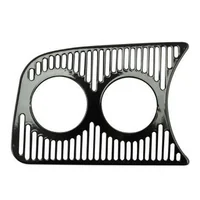
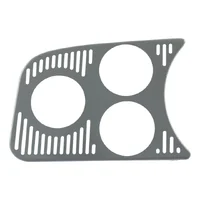
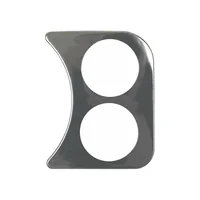
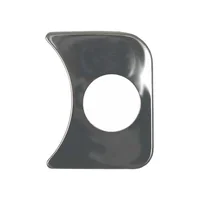
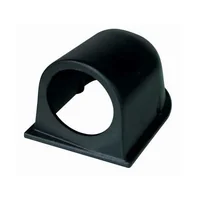
On a classic car, drilling into the dashboard is irreversible and reduces the vehicle’s value. There are several ways to avoid this: brackets that attach to an existing air vent, brackets integrated into a car radio cover, under-dash consoles, or instrument slots left empty as standard on basic trim levels.
On the electrical side, ensure you have a dedicated earth, a fuse-protected power supply that activates when the ignition is on, and the dial lighting connected to the sidelights so that it comes on with the rest. Route the sensor wire away from the ignition cables, as these can interfere with the reading. Finally, ensure the dials complement one another: a modern instrument next to a vintage speedometer stands out far more than a dial chosen in the same style.