























Your vehicle
No vehicle selected
Identify yours to refine your search results

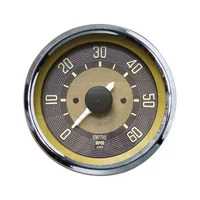
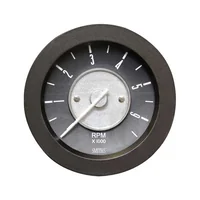
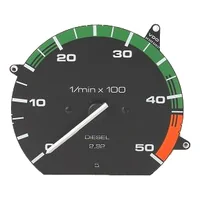
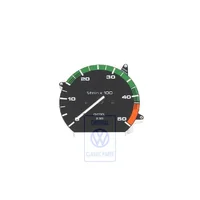
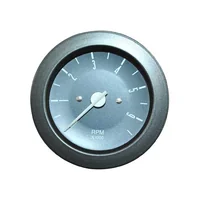
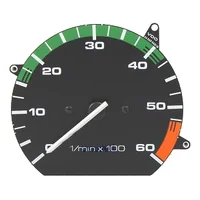
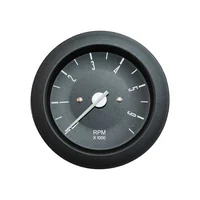
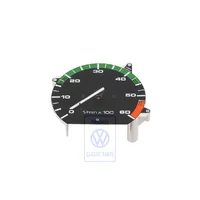
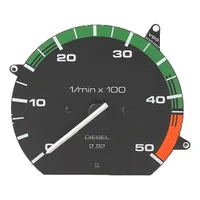
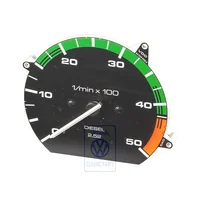
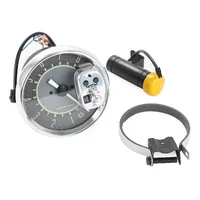
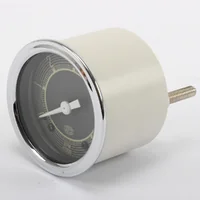
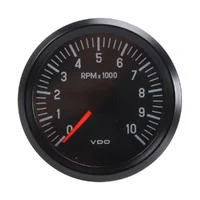
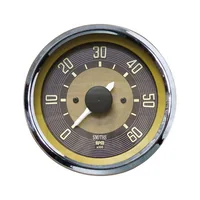
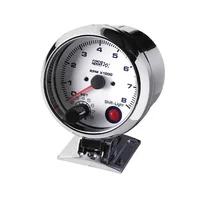
Monitoring the revs is the only way to look after an older engine, and many models left the factory without one. A replacement or additional rev counter is fitted to a 12 V system, in a standardised diameter, with a dial style that matches the dashboard. The range covers period-style instruments as well as sports-style dials.
Read more
18 Results
sort by
Only 2 left in stock
In stock
Only 2 left in stock
Only 1 left in stock
On order, from 17 days
On order, from 15 days
On order, from 15 days
On order, from 17 days
On order, from 15 days
On order, from 15 days
On order, from 15 days
Only 5 left in stock
Only 4 left in stock
In stock
Only 1 left in stock
Only 2 left in stock
On order, from 14 days
In both cases, check the dial diameter: car instruments follow standardised diameters, and it is this measurement that determines whether the instrument will fit into the existing housing or into a standard bracket.
A rev counter counts pulses and converts them into revolutions per minute. However, it must first receive the correct pulses.
Check this point before considering the dial style: it determines how the instrument works.
A measuring instrument cannot tolerate a haphazard power supply. Ensure a proper earth connection, taken from a stripped metal panel rather than a painted screw, and a positive supply from the ignition circuit protected by a fuse. A poor earth connection causes the needle to wobble and the reading to drift – a fault often mistakenly attributed to the instrument itself.
Remember to connectthe diallighting to the side-light circuit so that the instrument lights up along with the rest of the dashboard. And route the signal wire away from the spark plug cables: interference from a high-voltage ignition system is enough to cause the display to flicker without any actual fault.