Your vehicle
No vehicle selected
Identify yours to refine your search results
No vehicle selected
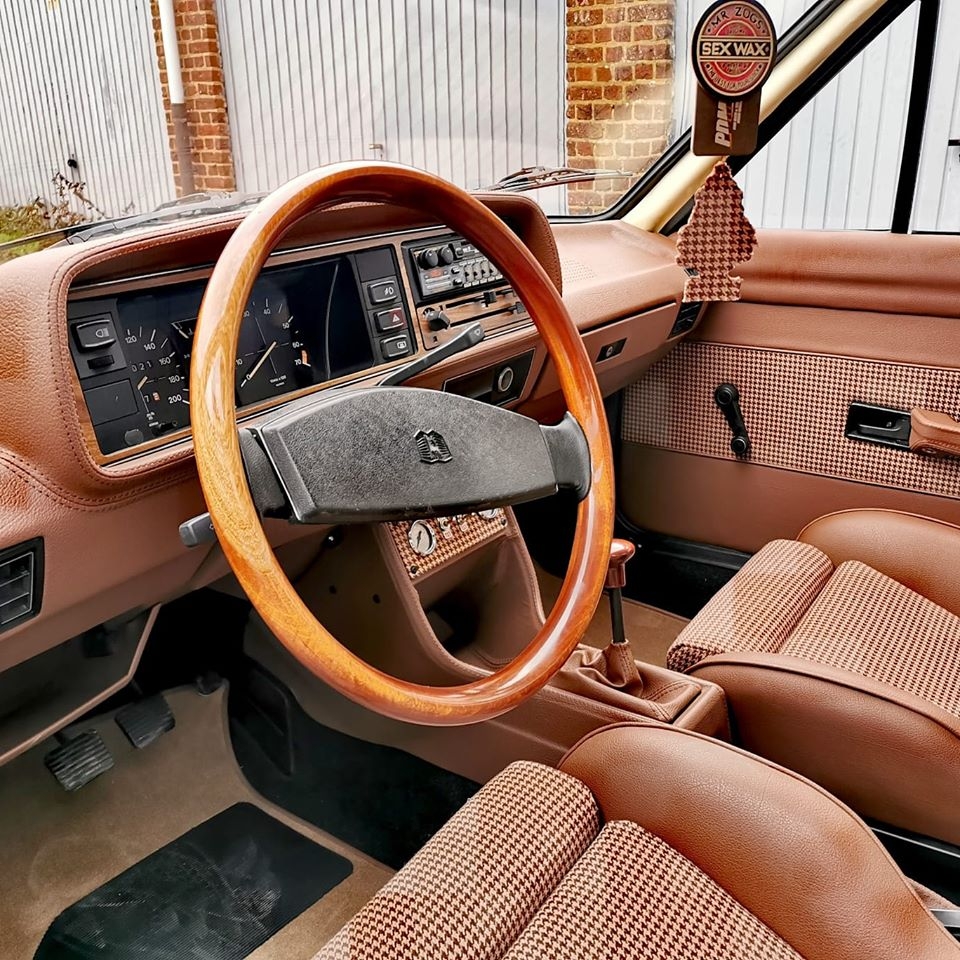
Launched in 1973 on the basis of the Audi 80, the Passat went through four generations before becoming an affordable youngtimer. The story of the B1 to B4, and two owners tell us about their cars.
22/10/2026
Harald
7 minutes read
In the shadow of the Golf, the Passat nevertheless led the way: introduced in 1973, it opened the series of front-wheel-drive Volkswagens designed by Giugiaro, a year before the Scirocco and the Golf. Its name is that of a wind, the trade wind (Passat in German). A serious family car, often bought new by people who kept it a long time, it was long snubbed by collectors. That is no longer the case: the first generations are coming back to the meets, and their owners have stories to tell.
Series production of the Passat started in May 1973. To be quick and limit costs, Volkswagen derived it from the Audi 80 launched a year earlier: same platform, same engines, but a body reworked by Giorgetto Giugiaro (Italdesign), with a sloping rear. It first existed as a two- and four-door, with a small boot; a big tailgate arrived in 1975, and the Variant estate as early as 1974. Volkswagen France in fact described it as a "berline coupé": this is where the habit in France comes from of calling the two-door B1s "Passat coupé".
The engines are belt-driven four-cylinders: 1.3 of 55 hp, 1.5 then 1.6 of 75 to 85 hp, and a 50 hp 1.5 diesel taken from the Golf from 1978. The facelift of summer 1977 brought plastic bumpers, a new dashboard and, depending on the version, four round headlights or two rectangular ones. In February 1979 came the GLI: 110 hp with fuel injection, using the Golf GTI engine. The details of the versions are on our Passat B1 engines page.
The second generation, type 32B, was launched in October 1980. Longer and roomier, it came as a hatchback saloon, as a Variant estate and, for the first time, as a three-box saloon with a separate boot, first sold under the name Santana. The top of the range received Audi-sourced five-cylinders, and a four-wheel-drive Syncro version appeared in 1984. Facelifted in January 1985, the B2 was produced in Germany until 1988. Our catalogue has no page dedicated to the B2: for its parts, use the search by vehicle.
In 1988, the B3 broke with its elders: transverse engine and a grille-less front end, which let the engine breathe only from below. It received the supercharged G60, paired with Syncro transmission, and in 1991 the 174 hp VR6. In October 1993, the B4 took over its platform and most of its structure, with revised bodywork and the return of a grille, in the style of the Golf 3. Among its engines: the 115 hp 2.0 eight-valve, the same as that of the Golf 3 GTI, and the 90 hp 1.9 TDI. The Passat B5 replaced it from 1996.
In our catalogue, the B4 is grouped with the B3 on the Passat B3 page: its engines, including the 115 hp 2.0, appear on the Passat B3 engines page.
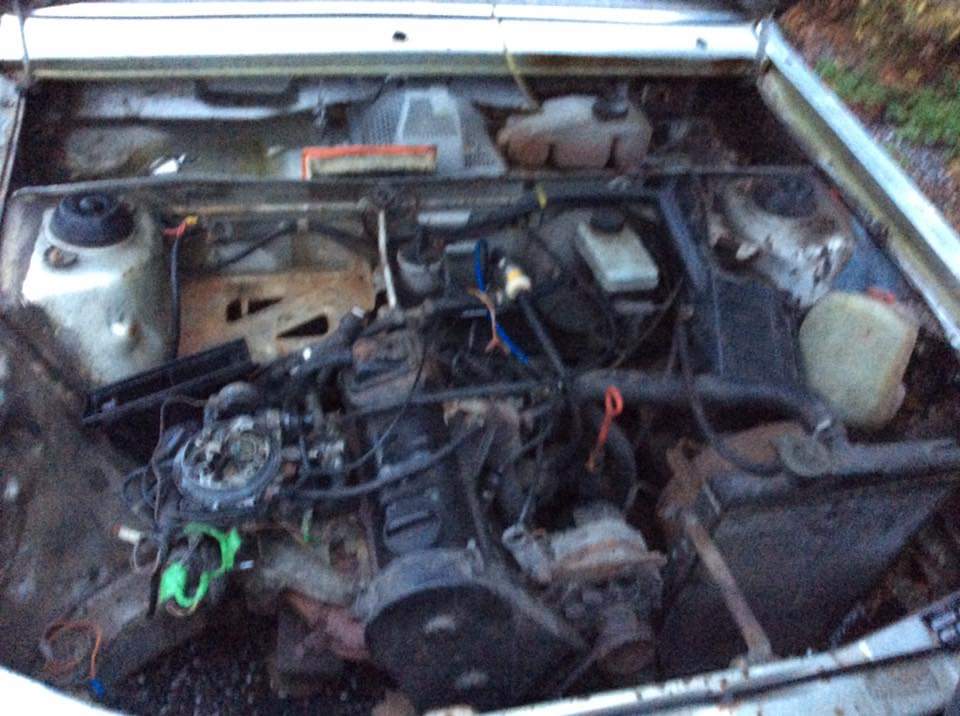
A Volkswagen fan since childhood, Nicolas had already restored a diesel Golf 2 when a friend told him about his 1980 "coupé" Passat, a model he did not know. He saw in it the potential of a rare base, without imagining how far the project would take him: it took him four years to see it through.
The hardest part was finding the parts. Some were impossible to find, and equivalents had to be sought. Rust even forced him to cut up a Golf 2 to salvage its front inner wings and graft them onto the Passat. One thing leading to another, the project grew: Weber carburettor, an inlet manifold made to measure by a friend, a tidied engine bay, custom air suspension and a completely redone interior. The car has since won prizes at major meets in France and Belgium, and has had the honour of the specialist press.
One clarification if you want to follow his example: air suspension or a different fuel system depart from the original. Find out about their compliance before fitting them to a car that is driven on the road.
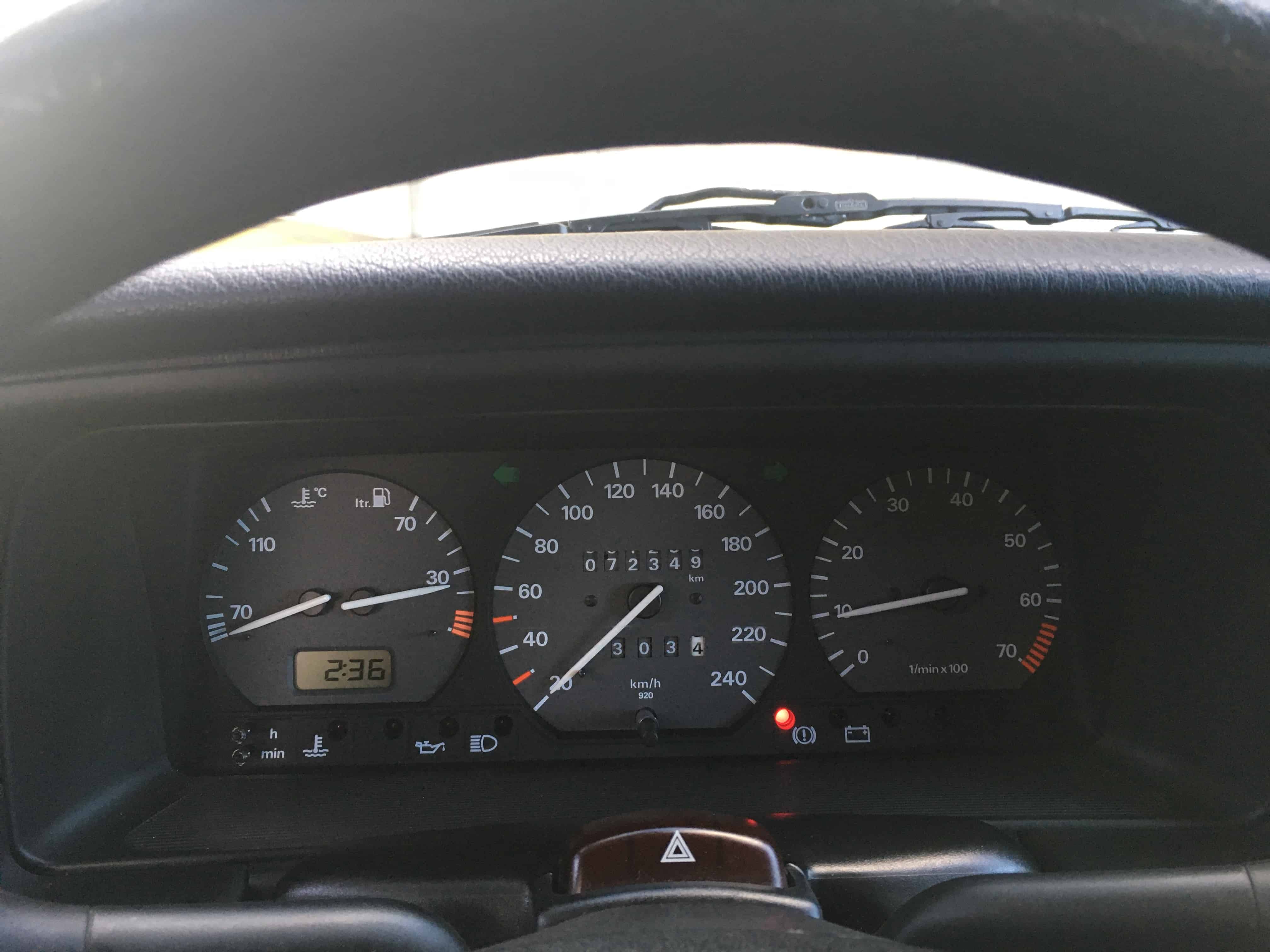
For Frédérick, it all began with his parents' 1985 Passat B2 (32B), a 75 hp 1600 with a carburettor, which he then kept up to 300,000 km. Years later, an advert caught his eye: a Passat GL B4 with just 63,000 km, fitted with the 115 hp 2.0 from the Golf 3 GTI. He has customised it very lightly and takes it out from time to time. It does not have the aura of a Golf, a Scirocco or a Corrado, he admits, but its reliability and low running costs won him over.
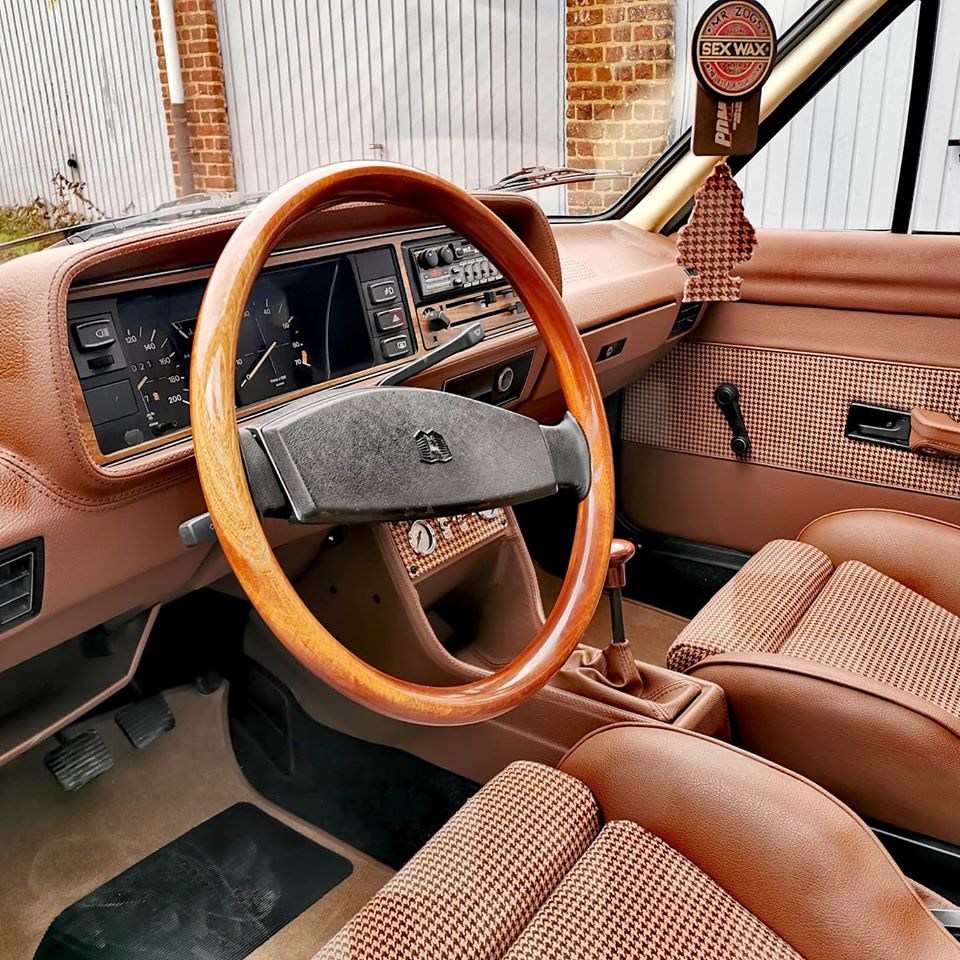
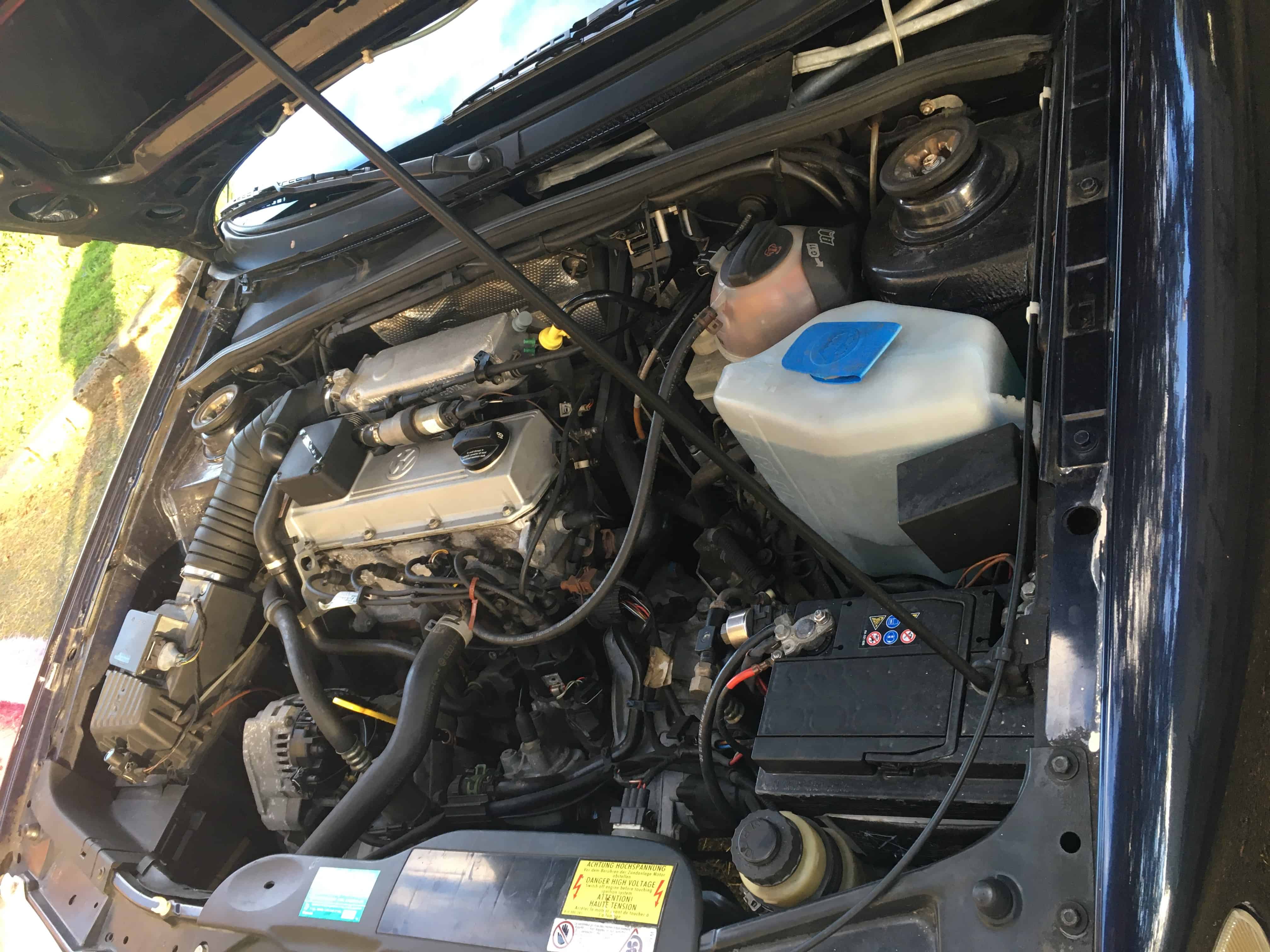
The Passat is still less sought-after than the Golf, and that is its best argument. Under the bonnet, it shares a lot with its cousins: the B1 GLI takes the Golf GTI engine, the B4 the 2.0 from the Golf 3 GTI, and a good part of the wear parts (ignition, braking, filtration, seals) are found across the Volkswagen and Audi range of the same period. Routine maintenance is therefore no headache.
The flip side is the bodywork. As Nicolas found, the elements specific to the Passat (panels, trim, chrome, specific seals) are rarer than those of a Golf. Before buying, look closely at the sills, inner wings and wheel arches, and check the availability of the parts you are missing. For a first old family car, frugal and easy to live with, a sound Passat remains a very good deal.
To order the right parts, note down the engine code and the serial number: on the B3 and B4, the tenth character of the number gives the model year and the eleventh the plant, as our engine pages explain.
Whatever the generation, favour a complete car, with its history, over a cheap base that is missing bodywork or trim parts: that is where the budget flies.
Find our parts for the Passat B1 and for the Passat B3 and B4, and, to go further, our articles on the Golf 1 and the Golf 3, with which the Passat shares so much.
Harald
Le partage de la Passion, simplement.
Subscribe to our MECATECHNIC newsletter