














Your vehicle
No vehicle selected
Identify yours to refine your search results

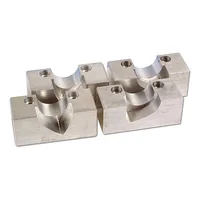
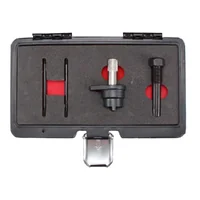
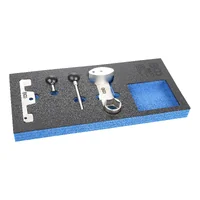
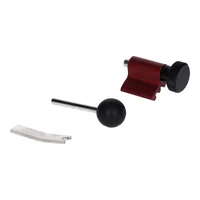
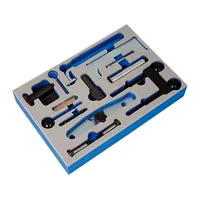
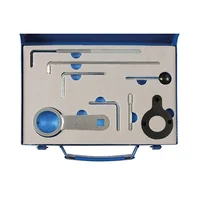
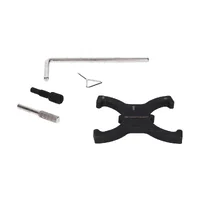
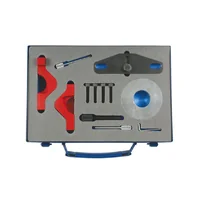
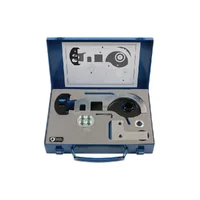
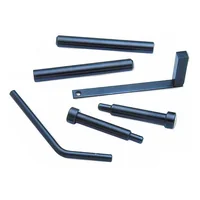
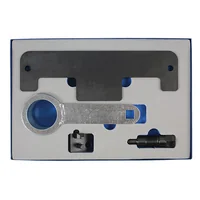
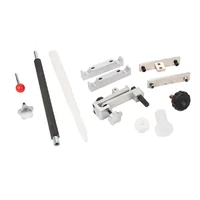
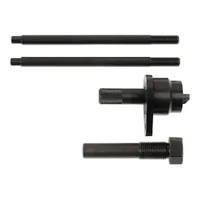
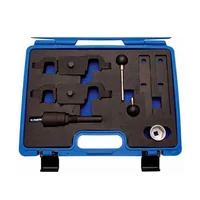
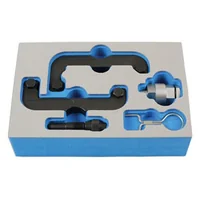
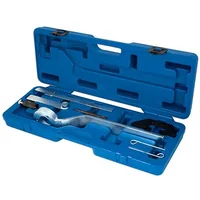
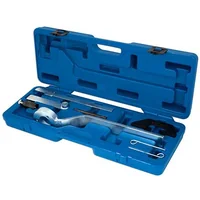
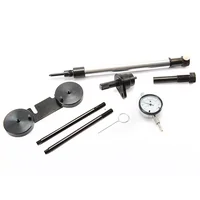
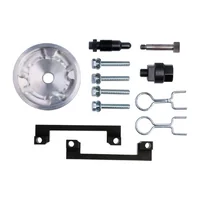
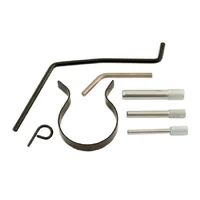
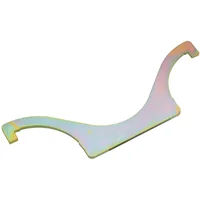
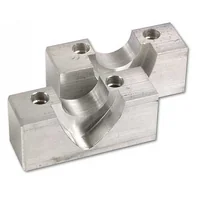
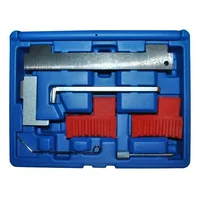
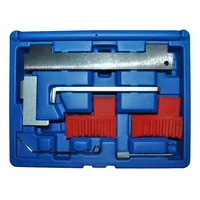
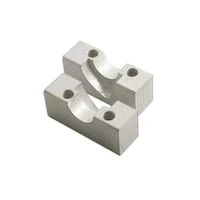
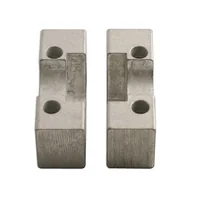
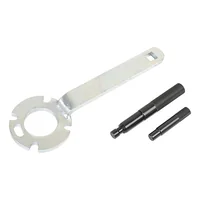
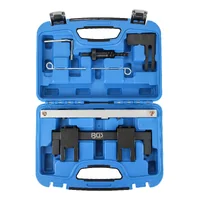
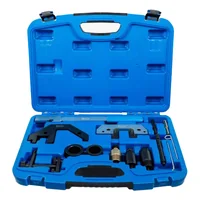
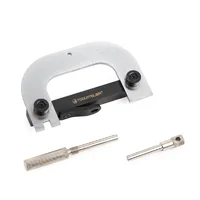
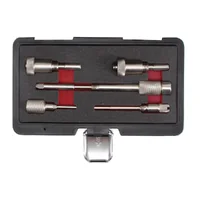
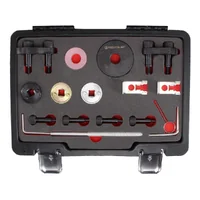
Removing a timing belt or chain without locking the engine in place means having to reinstall everything by eye. A locking kit secures the crankshaft and camshafts in their reference positions throughout the entire procedure. The range includes feeler gauges, locking devices and sockets, grouped into kits by engine family.
Read more
102 Results
sort by
Only 1 left in stock
Only 2 left in stock
In stock
Only 1 left in stock
Only 2 left in stock
In stock
On order, from 15 days
On order, from 15 days
On order, from 15 days
On order, from 15 days
On order, from 15 days
On order, from 15 days
On order, from 15 days
On order, from 15 days
On order, from 15 days
On order, from 15 days
On order, from 15 days
On order, from 15 days
On order, from 15 days
On order, from 17 days
On order, from 15 days
On order, from 15 days
On order, from 15 days
On order, from 15 days
On order, from 15 days
On order, from 15 days
On order, from 15 days
On order, from 15 days
Only 1 left in stock
Only 1 left in stock
In stock
In stock
In stock
The timing system synchronises the rotation of the crankshaft with that of the camshafts. As long as the belt or chain is in place, this synchronisation is mechanically guaranteed. As soon as it is removed, there is nothing to hold it in place: the crankshaft need only turn by a single tooth for everything to be out of alignment when reassembled.
In an interference engine – that is, one in which the valves and pistons occupy the same volume at different times – the consequence is not poor performance but a destroyed cylinder head at the very first turn of the starter motor. The timing kit locks both sides into their reference positions and eliminates this risk. It typically comprises crankshaft feeler gauges, camshaft locks, pin wrenches and sockets specific to the assembly.
A timing kit is not specific to a particular vehicle but to a family of engines. The same engine is often fitted to several models, sometimes from different manufacturers, and conversely, a single model may have been fitted with engines that are timed differently.
The two types of tool look similar but do not perform the same function. A positioning tool positions and holds a reference point: it must not bear any torque. A locking tool, on the other hand, is designed to withstand the force required to loosen a pulley nut or flywheel nut.
Using a positioning pin to loosen a pulley bends it, marks its housing and causes the reference position to be lost, often without you realising it. The correct sequence is therefore: position, then lock using the tool designed for that purpose, then loosen. The two tools work together; one must never be used in place of the other.