












Your vehicle
No vehicle selected
Identify yours to refine your search results
No vehicle selected
Read more
22 Results
sort by
In stock
In stock
In stock
Only 3 left in stock
In stock
On order, from 13 days
In stock
In stock
Only 2 left in stock
In stock
Only 2 left in stock
In stock
In stock
Only 1 left in stock
In stock
In stock
In stock
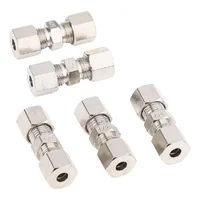
Between the master cylinder and each wheel, the circuit is not made up solely of pipes. It is punctuated by individual components, none of which are optional.
None of them are expensive. But if any are missing, they bring the whole job to a standstill.
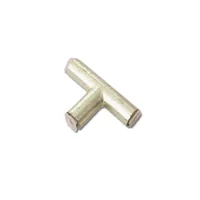
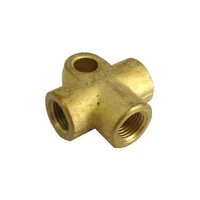
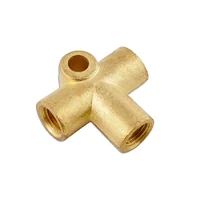
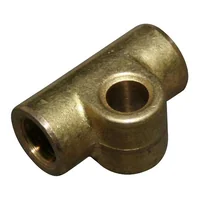
The T-joint, or distributor, is the point where the pipe coming from the master cylinder splits off to the two wheels on an axle. On older set-ups, it is often fixed to the chassis or the axle, meaning it is exposed to flying debris, and it is one of the first parts to corrode.
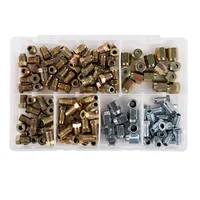
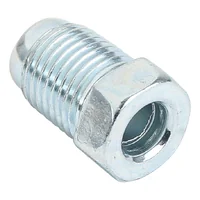
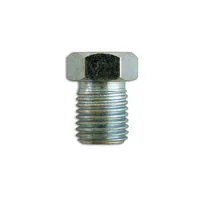
What to check before ordering: the number of outlets, the thread pitch of the inlets – which is not always the same on all lines – and the required flange type (SAE or DIN), which must match that of your pipes. A new fitting whose seat does not match the tube’s collar will leak under pressure, i.e. when braking. Take the opportunity during replacement to check the condition of the threads: a stripped thread cannot be repaired on a braking component.
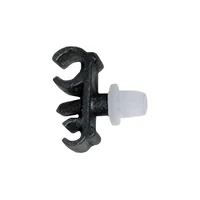
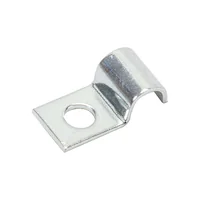
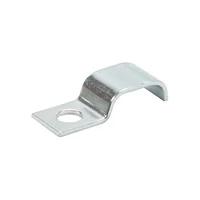
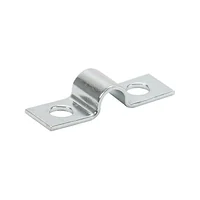
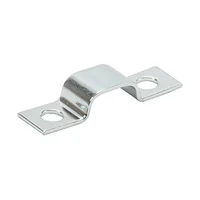
A brake pipe that is no longer secured will flap in time with the suspension. It will rub against a metal panel or a chassis component, wearing away through abrasion until it punctures, and the fault will not be visible until the line fails. Clamps, clips and brackets are therefore not merely cosmetic fittings.
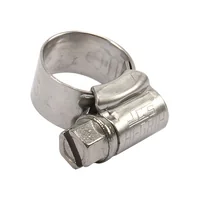
The hose clamp deserves a special mention: it is what secures the end of the hose in its bracket. If it is missing, the hose twists with every turn of the steering wheel, becomes twisted and deteriorates from the inside, where nothing can be seen. It almost always becomes deformed during removal: make sure you have a new one ready before you start. The same applies to the chassis-pass-through seals, which prevent the tube from rubbing against the edge of the bodywork.
The system is rigid on the fixed part of the vehicle and flexible where it needs to follow the suspension travel and steering movement. The junction between the two is at a bracket fixed to the bodywork, and this is the point under the greatest stress along the entire line.
When reassembling, follow this order: position the flexible section first, fit the clamp, and only then screw in the rigid tube. Doing it the other way round will twist the flexible section. Then check, with the wheels turned fully in both directions and the suspension fully compressed, that the flexible section never reaches its limit of travel and does not touch either the tyre or any suspension component. A flexible section that is too taut during suspension travel is a recipe for failure.
Gathering all these items before removing the wheel prevents the car from being left on jack stands whilst waiting for a clamp.
Consult the details of the engine variants, chassis and versions offered for this model