


Your vehicle
No vehicle selected
Identify yours to refine your search results
No vehicle selected

Read more
9 Results
sort by
On order, from 15 days
On order, from 15 days
On order, from 15 days
In stock
In stock
In stock
In stock
In stock
On order, from 8 weeks
The headliner covers the inside of the roof, which is the largest visible surface in the passenger compartment after the upholstery. It serves three purposes: it conceals the metal panel and its reinforcements; it absorbs some of the road noise that echoes through the roof; and it reduces heat transfer through the roof, which is the part of the car most exposed to the sun.
It is also the element that makes an interior look the most dated. A headliner that is peeling or stained is visible from the outside, through the windows, and is enough to make an otherwise well-maintained car look neglected.
The fabric of a modern headliner is not glued directly to its backing: it is laminated onto a thin layer of polyurethane foam, and it is this foam that adheres to the panel. With the heat built up under the headliner and the passage of time, this foam literally crumbles into powder.
The fabric is then no longer held in place by anything: it sags, forming a pouch above the passengers’ heads, and orange-coloured powder remains on the panel. This is why simply re-gluing it never works: the adhesive has nothing to bond to. The only lasting repair is to remove the old fabric and its residual foam completely, down to the bare panel, before fitting a new fabric panel. On the oldest types of display, where vinyl is stretched over ribs, the process is different: it is the vinyl itself that hardens and cracks.
Also check whether or not there is a sunroof: the cut-out makes all the difference, and the two versions are not interchangeable.
The pre-formed headliner arrives with the correct cut-outs and can be fitted in half a day. This is the most reliable solution where it is available for the vehicle, and it guarantees that the cut-outs for the sun visors, ceiling light and handles will line up correctly.
Fitting a fabric headliner requires removing the panel, stripping it completely, then stretching and bonding the new fabric before recutting the openings. It takes longer and requires careful work, but it’s the only option when no pre-formed headliner is available, and it allows you to choose your own colour. Make sure you use an adhesive designed for this purpose, one that can withstand heat: a headliner refitted with ordinary glue will sag by the first summer.
For frames with ribs – that is, cross-bars that tension the fabric beneath the canopy – reposition them in the correct order and orientation: these are what give the canopy its shape, and corroded ribs will leave marks on the new fabric.
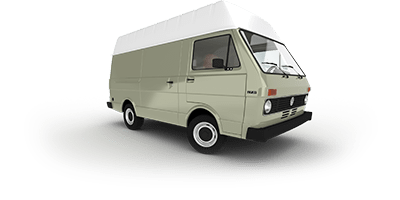
Consult the details of the engine variants, chassis and versions offered for this model


