














Your vehicle
No vehicle selected
Identify yours to refine your search results
No vehicle selected
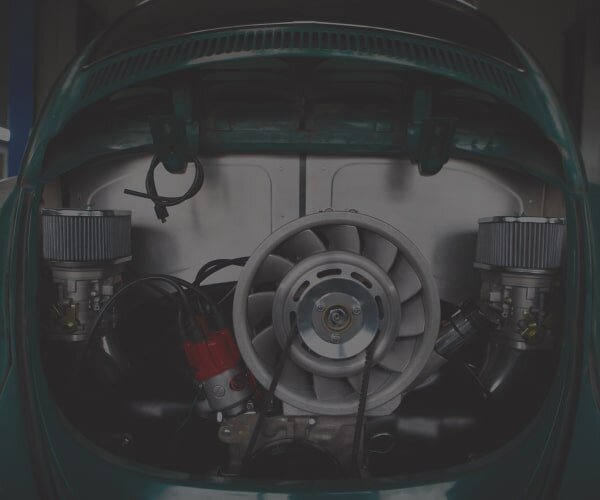
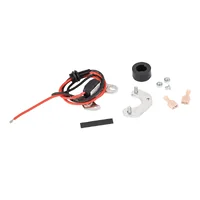
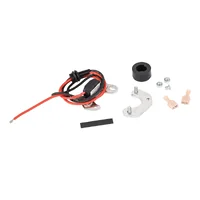
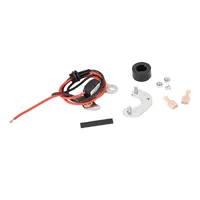
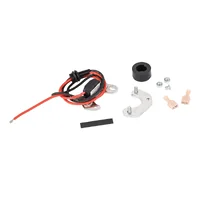
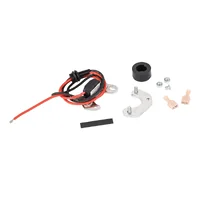
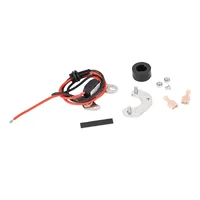
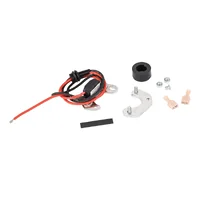
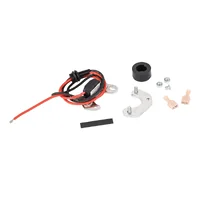
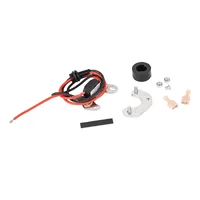
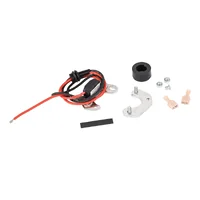
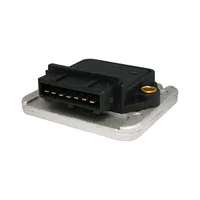
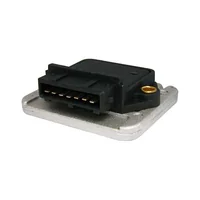
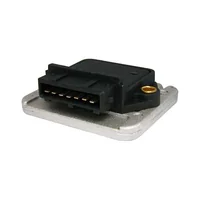
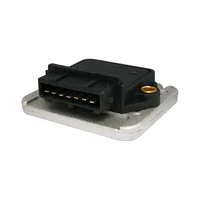
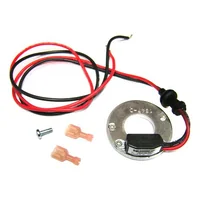
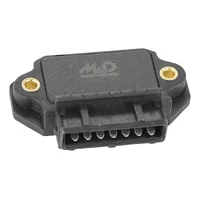
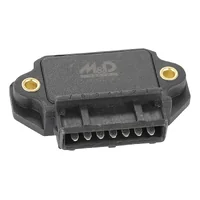
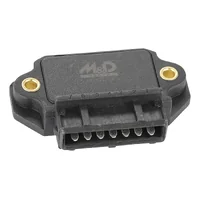
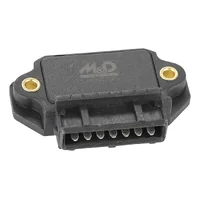
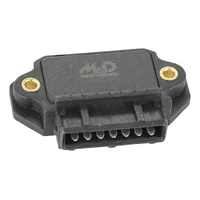
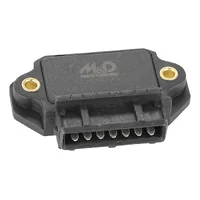
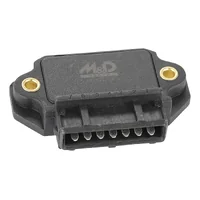
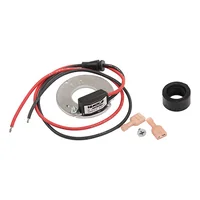
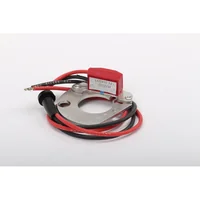
Removing flat-head screws without changing the ignition switch: this is what an ignition module enables. It fits inside the original housing, in place of the breaker, and provides electronic ignition without any visible modifications. The solution for authentic restorations that demand reliability without anachronisms.
Read more
120 Results
sort by
On order, from 4 weeks
On order, from 4 weeks
On order, from 4 weeks
On order, from 4 weeks
On order, from 4 weeks
On order, from 4 weeks
On order, from 4 weeks
On order, from 4 weeks
On order, from 4 weeks
On order, from 4 weeks
On order, from 4 weeks
On order, from 12 days
On order, from 12 days
On order, from 12 days
On order, from 12 days
On order, from 12 days
On order, from 12 days
On order, from 12 days
On order, from 12 days
On order, from 4 weeks
On order, from 4 weeks
On order, from 4 weeks
On order, from 9 days
On order, from 9 days
On order, from 9 days
On order, from 9 days
On order, from 9 days
On order, from 9 days
On order, from 9 days
On order, from 9 days
On order, from 9 days
On order, from 9 days
On order, from 4 weeks
On order, from 4 weeks
On order, from 13 days
On order, from 4 weeks
There are two ways to switch to electronic ignition. Replacethe entire ignition unit with an electronic model, which is straightforward but alters a visible part of the engine. Or install a module inside the original ignition unit, in place of the breaker and capacitor.
The module is the solution for meticulous restorations: nothing changes externally; the distributor remains the vehicle’s original unit with its markings and appearance, and only an attentive connoisseur looking under the bonnet might realise the modification has been made. It is also significantly cheaper than a complete distributor. On the other hand, it requires the distributor housing to be in good condition, as it is retained.
Inside a conventional ignition coil, the cam on the shaft mechanically spreads apart two contacts – the breaker – whilst a capacitor absorbs the arc to protect them. These two parts are subject to constant wear: the contacts become pitted, their spacing changes, and the ignition timing drifts between servicing intervals.
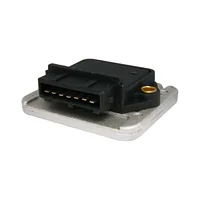
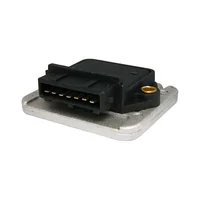
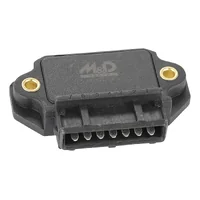
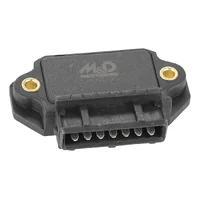
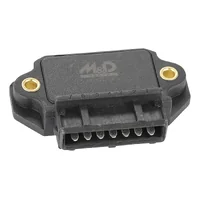
The module replaces this assembly with a contactless sensor – usually a Hall-effect or magnet-based sensor – and a power stage that controls the coil. Nothing rubs or wears down any more. The practical benefits are clear: no more gap adjustment, no more capacitor replacement, a more powerful spark at start-up, and, above all, an ignition point that remains exactly as set. What does not change, however, isthe centrifugal advance and the vacuum correction: these remain the same as those of the original distributor, with its weights and capsule, which must therefore be checked.
A module only compensates for wear on the breaker. The rest of the distributor remains unchanged, along with any faults it may have.
If the shaft has play or the body is worn, a complete electronic ignition system will be more suitable than a module.
After installation, set the initial timing using a strobe light whilst the engine is warm: a module must not be fitted whilst the engine is at a standstill. Also check the coil, which must be compatible with the module; some require a minimum primary resistance, otherwise they may overheat.