Why and when to bleed
A braking system transmits pressure via a fluid, which is incompressible. Air, on the other hand, is compressible: even the smallest air bubble absorbs part of the pedal travel, resulting in a spongy pedal feel.
Bleeding is essential after any opening of the system, or after replacing a wheel cylinder, a caliper, a hose or a pipe. But it should also be carried out periodically – and this is the point that is often overlooked: brake fluid is hygroscopic; it absorbs moisture from the air through the hoses and the reservoir. This water lowers the fluid’s boiling point. During sustained braking, it vapourises in the hottest areas and creates vapour bubbles: the pedal suddenly sinks in, even though everything was normal a moment before. This is why the fluid should be replaced at regular intervals, and not just when the system is opened.
Three ways to pressurise the system
- Using the pedal, with two people. Free, but slow, and above all risky on an older vehicle: pressing the pedal all the way to the floor causes the master cylinder to operate within a bore area that its piston never reaches during normal use, and which is often corroded or scaled. The seals get nicked there, and the master cylinder leaks after bleeding. This is what the warning in the original text referred to.
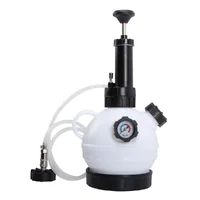
- By applying pressure to the reservoir using a manual pump or a pump powered by air from a spare tyre or a compressor. The fluid is continuously forced through the system, you work alone, and the pedal is never touched.
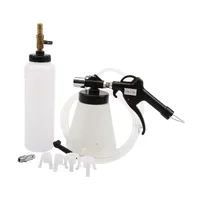
- By suction, via the bleed screw, using a vacuum pump. This is quick, but you must monitor the reservoir level and ensure the screw thread is airtight, as any leaks will let air in and give the impression of endless bubbles.
The method, in order
- Start with the wheel furthest from the master cylinder, then work your way back towards the nearest one. On a diagonal circuit, follow the order specified for fitting.
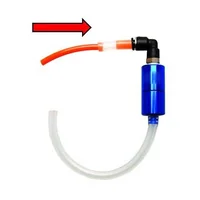
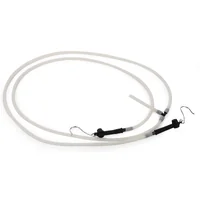
- A transparent hose and a container: the hose must be submerged in the fluid to prevent air from entering via the screw, and the transparent hose allows you to see the bubbles escaping.
- Never let the container run empty whilst you’re working: you’ll be letting air back into the master cylinder and will have to start all over again. This is the most common mistake.
- If bubbles persist on a screw, they often originate from the screw’s thread itself rather than the circuit: a little grease on the thread or a snugly fitted hose will sort the problem out.
- Also bleed the clutch if it is hydraulic: it shares the reservoir and the same fluid, and is bled using the same tool.
- Collect the used fluid to take it to a recycling centre, and never leave brake fluid on painted surfaces, as it will corrode the paintwork within minutes.
Choosing your bleeder tool
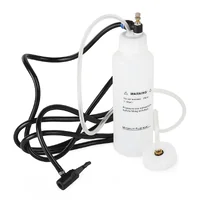
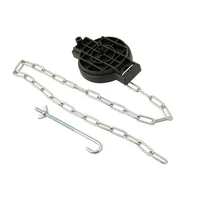
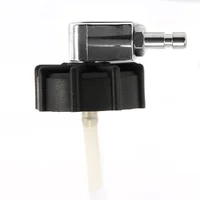
- The reservoir adapter is the critical component: it must be compatible with your vehicle, and it is often the part that’s missing. Universal models cover a wide range of diameters, but check this before ordering.
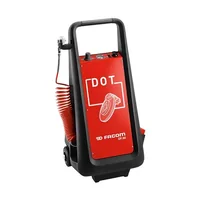
- The pressure source: a hand pump if you don’t have compressed air, or a pneumatic supply if you have a compressor, which is more convenient for a full circuit.
- The reservoir capacity, relative to the volume of a complete circuit: a small reservoir means you’ll have to stop frequently, and every stop is an opportunity for air to enter.
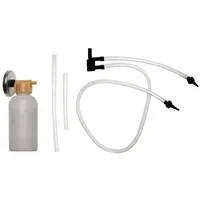
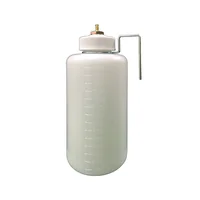
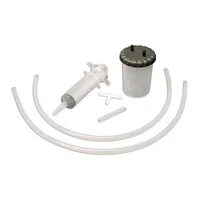
- Accessories: bleed hoses of a suitable diameter, a graduated collection bottle, and a double adapter for twin screws.
A bleed tool can be used for both the brakes andthe hydraulicclutch, and it’s a tool worth keeping: it pays for itself after just two uses.